
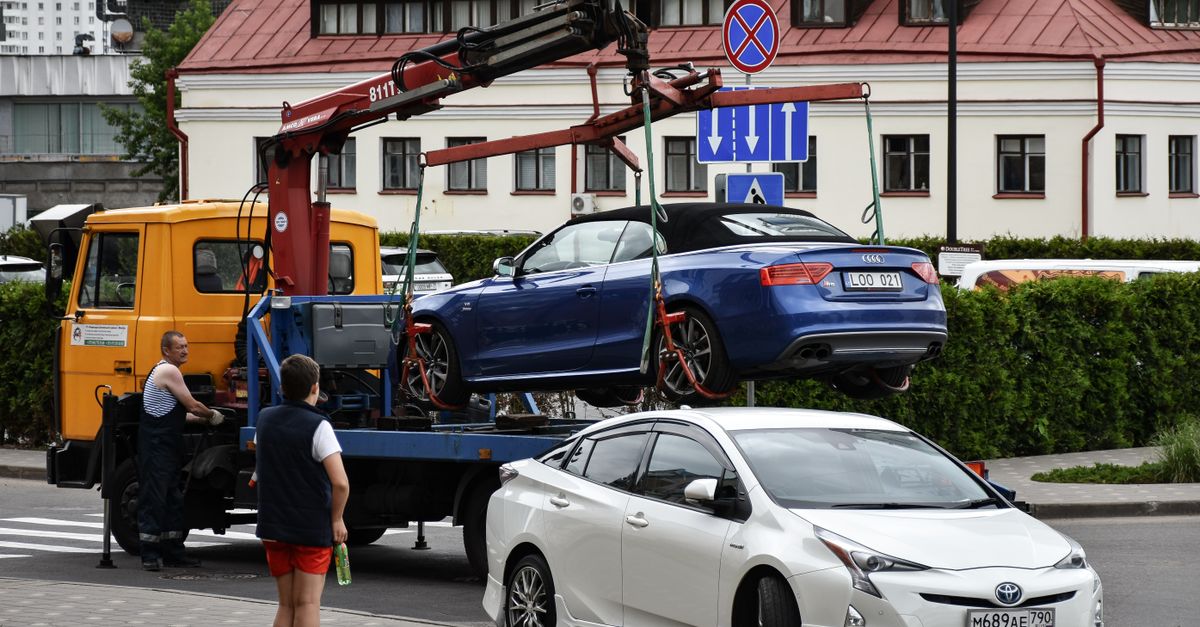
How Much Does Towing in Denver Actually Cost?
Towing in Denver runs about $75 to $150 for a basic local tow. But here's what changes that price: distance traveled, time of day, vehicle size, and whether you need special equipment.
A simple breakdown tow costs less than a long-distance recovery. Nighttime or weekend service? Expect to pay more. Heavy vehicles like trucks or SUVs cost extra compared to sedans.
Colorado state law sets maximum towing rates, so you won't get gouged. Still, prices vary between providers, so it pays to call ahead.
What Are Denver's Base Towing Rates and Fees?
Denver tow companies charge differently based on service type. Here's what you'll typically see:
- Local tow (up to 5 miles): $75-$110
- Medium distance (5-15 miles): $100-$150
- Long-distance tow: $2-$4 per mile after the first 5-10 miles
- Hookup fee: $25-$50 (sometimes included)
- Flatbed service: $20-$40 extra
- After-hours service (nights/weekends): 20-50% surcharge
- Storage per day: $25-$50 (regulated by Colorado)
- Winch-out service (stuck in ditch/snow): $75-$200
- Lockout assistance: $50-$100
- Fuel delivery: $40-$75 plus fuel cost
These are average 2026 rates. Your actual bill depends on your specific situation and which company you use. Many Denver towing companies also offer discounts for AAA members, military personnel, and seniors—always ask when you call for a quote.
How Does Colorado Law Regulate Maximum Towing Rates?
Colorado doesn't set a statewide maximum tow rate like some states do. But the state does require transparency. Tow companies must post their rates and give you a written estimate before work begins.
Denver city ordinances add extra rules. Private property towing has strict limits. If you're towed from a parking lot, the property owner must follow specific procedures, and you have rights.
Check out Towing Laws by State: Your Rights & Protection Guide 2026 to understand Colorado's full legal framework.
Always ask for rates in writing. If a tow company won't quote you upfront, find another one. Under Colorado law, tow operators must provide an itemized receipt that breaks down all charges—base fee, mileage, equipment, and any additional services. Keep this receipt for your records and for potential dispute resolution.
What's the Difference Between Flatbed and Wheel-Lift Towing?
Denver tow companies offer two main methods, and each costs differently.
Wheel-lift towing lifts your front or rear wheels off the ground. It's cheaper—usually $75-$100 for local service. But it puts stress on your transmission and suspension. Some cars shouldn't be towed this way. Front-wheel-drive vehicles and cars with low ground clearance are particularly at risk for damage with this method.
Flatbed towing puts your entire car on a flat platform. It's safer for most vehicles, costs $95-$150 locally, and protects your car better. Luxury cars, low-riders, and new vehicles almost always need flatbed service. Flatbed towing is also the preferred method for vehicles with all-wheel drive, as wheel-lift can damage the drivetrain.
If you're unsure which method is right, ask the tow company. They should recommend the safest option for your vehicle type. If a tow operator insists on wheel-lift when your car requires flatbed service, you can refuse and request another company.
What Are Denver's Private Property Towing Rules?
Private property towing in Denver is heavily regulated. Apartment complexes, parking lots, and private properties can tow your car, but they must follow the rules.
Here's what Denver requires:
- The property owner must post clear, visible towing notices
- They must have a legitimate reason (unauthorized parking, lease violation)
- They must use a licensed, authorized tow company
- They must notify you within 24 hours of the tow
- They must tell you the tow company's name and location
- You have the right to retrieve your car within 5 business days
- Signs must be at least 17 inches by 22 inches and clearly visible from where you park
- The property owner cannot charge you additional fees beyond the tow and storage costs
If a property tows your car illegally, you may have a lawsuit. Learn more in our guide on Illegally Parked Car Towing: Complete Guide to Your Rights.
Warning: Never leave your car unattended in a private lot without checking the rules first. Signs must be readable from where you park. If signage is unclear, faded, or obscured by trees or other objects, Denver law may not permit the tow.
How Much Do Denver Storage Fees Really Cost?
Once your car reaches the tow lot, storage fees kick in. Colorado law limits these charges, but Denver lots still charge daily rates.
Expect to pay $25-$50 per day for storage. Some lots charge more for oversized vehicles. The clock usually starts the moment your car enters the lot, not when you're notified.
Here's the catch: you pay storage fees even if you can't get to the lot immediately. If your car sits over a weekend, that's three days of charges. A five-day delay could cost $125-$250 in storage alone, on top of the initial tow fee.
For detailed state regulations, check Towing Storage Fees: Legal Limits by State 2026.
Tip: Call the lot immediately after your car is towed. Ask about their daily rate and when you can pick it up. Early pickup saves money. Some Denver lots offer discounted rates if you retrieve your vehicle within 24 hours.
What Should You Know About Denver Roadside Assistance Options?
Denver drivers have several roadside assistance choices beyond traditional tow companies. Understanding your options helps you save money.
AAA Membership: Covers up to 100 miles of free towing for members. Costs about $70-$150 annually depending on membership level. Great if you break down regularly. AAA Plus members get up to 200 miles of free towing.
Auto Insurance Coverage: Many policies include roadside assistance. Check your policy. It often covers towing, lockouts, and fuel delivery. Some insurers offer unlimited towing with no mileage caps.
Manufacturer Programs: New cars often come with free roadside assistance for 3-5 years. Check your warranty. Brands like BMW, Mercedes, and Tesla offer premium roadside programs.
Direct Tow Company Membership: Some Denver tow companies offer membership plans for discounts. These can range from $50-$100 annually and typically provide 1-2 free tows per year.
Credit Card Benefits: Some premium credit cards include roadside assistance as a cardholder benefit. Check your card's benefits guide.
Read Best Roadside Assistance: Complete 2026 Guide to compare all your options and find what works for your situation.
How Do You Find a Licensed Towing Company in Denver?
Not all tow companies in Denver are created equal. Finding a licensed, reliable provider takes a few steps.
- Check the Colorado Public Utilities Commission (PUC) for licensed carriers
- Verify they have a physical location in Denver
- Look for online reviews on Google, Yelp, and the Better Business Bureau
- Call and ask for their rates in writing before you need them
- Confirm they're insured and bonded
- Ask about their response time—most should arrive within 30-45 minutes
- Verify they operate 24/7 if you need emergency service
- Check if they offer online tracking for your vehicle
You can use Find towing services near you on USA Tow Finder to locate verified providers in your area. Many Denver companies are listed with ratings and pricing.
Pro tip: Save a tow company's number in your phone before you need it. When you're stranded, you won't want to search. Keep contact information for at least two companies so you have a backup option.
What Happens if You Can't Afford Your Towing Bill?
Sometimes a tow bill surprises you. Maybe storage fees piled up, or the distance charge was higher than expected. What can you do?
First, ask the tow company for an itemized bill. Make sure every charge is legitimate and matches Colorado law. Some charges might be negotiable. Request a detailed breakdown of base fees, mileage charges, equipment fees, and storage costs.
If the bill seems wrong, contact the Colorado PUC. They handle complaints about towing practices. You might be able to dispute unreasonable fees. The PUC has authority to investigate complaints and can order refunds if charges violate state regulations.
Some tow lots offer payment plans. It's worth asking if you can't pay in full immediately. Many will work with you to arrange installment payments rather than place a lien on your vehicle.
Warning: If you don't pay, the tow lot can place a lien on your vehicle. Eventually, they can sell it to cover costs. Act fast if you're in this situation. Contact the lot within 48 hours to discuss payment options.
How Does Weather Affect Towing Costs in Denver?
Denver's weather—snow, ice, and mountain conditions—impacts towing prices. Winter brings higher costs and longer wait times.
Here's why: snow and ice make towing harder and slower. Tow trucks need extra caution. Bad weather means more calls, so response times stretch longer. Some Denver companies add 20-50% winter surcharges from November through March.
Mountain towing is even pricier. If you get stuck on I-70 heading to the mountains, expect to pay more. Remote locations have limited tow truck availability. A tow from Georgetown or Central City can run $300-$500 or more due to distance and difficulty.
Plan ahead in winter. Keep emergency supplies in your car. Consider roadside assistance coverage before snow season hits. Winter tires and regular vehicle maintenance can prevent many cold-weather breakdowns that require towing.
What's the Best Way to Handle a Towing Dispute in Denver?
Disputes happen. Maybe the tow was unauthorized. Maybe the charges seem unfair. Here's how to handle it:
- Get everything in writing—the tow receipt, storage invoice, and all charges
- Take photos of the tow location and any signs posted there
- Document the date, time, and tow company name immediately
- Contact the tow company manager within 24 hours with your complaint
- If they won't help, file a complaint with the Colorado PUC
- Keep copies of all documents for potential legal action
- Consider small claims court if the amount is under $5,000
- Contact the Denver Better Business Bureau if the company is unresponsive
For private property tows, you may have additional rights under Denver municipal code. An attorney familiar with local towing law can help if the dispute is serious. Many Denver legal aid organizations offer free or low-cost consultations for towing disputes.
How Can You Prevent Unexpected Towing Charges?
The best towing bill is the one you avoid. Here are practical steps to stay safe:
- Read parking signs carefully before you leave your car. Check for time limits and towing warnings.
- Park in authorized spots only. Don't risk it in no-parking zones, even briefly.
- Maintain your vehicle regularly to avoid breakdowns. Regular oil changes, tire checks, and battery maintenance help.
- Get roadside assistance before you need it. AAA or insurance coverage saves money later.
- Know your insurance policy. Some plans include towing coverage up to certain amounts.
- Save tow company numbers in your phone. Use ones you've researched, not the first one that appears online.
- Keep your vehicle registration and insurance cards in your car. Tow operators might ask for proof.
- Take photos of parking signs when you park in unfamiliar areas. This protects you if a dispute arises later.
- Join AAA or a similar service before the winter season. Preventive membership is cheaper than emergency towing.
Prevention is cheaper than dealing with a tow after the fact.
Denver Towing FAQs: Your Top Questions Answered
Can I get my car back the same day it's towed? Usually yes, but it depends on the time towed and lot hours. Call immediately and ask about evening or weekend pickup availability.
Do I need to be present when my car is retrieved? Yes. You'll need to show ID and proof of ownership. You might also need to pay the bill before taking your car.
What if my towed car is damaged? Document all damage with photos. The tow company's insurance might cover it. Report it immediately—don't wait days.
Are Denver tow companies required to accept credit cards? Not always. Many lots take cash only. Ask when you call, and have payment ready.
Can a tow company charge me before providing service? No. They must complete the service first, then bill you. Don't prepay unknown companies.
What's the fastest towing company in Denver? Response times vary. AAA members often get faster service. Independent companies' speeds depend on their location and call volume.
Do motorcycle tows cost the same as car tows? Usually less, but specialty equipment might add cost. Check Motorcycle Towing Best Practices and Safety Guide for details.
What if I'm towed from a street for street cleaning? Denver allows temporary street towing. You'll get a notice. Call the city's tow hotline to find your car's location.
Can I dispute a tow if there were no visible signs? Yes. Signs must be clearly readable. If they're missing or obscured, you might have grounds to fight the tow.
What insurance covers towing costs? Comprehensive and collision coverage sometimes include towing. Roadside assistance add-ons usually cover it. Check your policy's fine print.
Key Takeaways for Denver Drivers
Towing in Denver costs $75-$150 for local service, with extra charges for distance, storage, and special equipment. Colorado law requires transparency in pricing, and Denver has strict rules about private property tows.
Always get quotes upfront. Verify the tow company is licensed through the Colorado PUC. Consider roadside assistance—AAA or insurance coverage—before you're stranded.
If you're towed, act fast to retrieve your car and minimize storage fees. Document everything if you think the charges are unfair.
Ready to find a trusted Denver towing provider? Visit Find towing services near you on USA Tow Finder. You'll find verified, rated companies ready to help.
Prices from providers like AAA, GEICO, Progressive, and State Farm are current as of 2026. We're not affiliated with these companies. Always verify current rates directly with your provider or local towing services.
Frequently Asked Questions
Need Emergency Towing Services?
Don't wait when you're stranded. Get professional help now.
Find a Licensed Denver Towing Provider

Discussion (0)
Be the first to comment!
Share your experience or ask questions about towing services.