
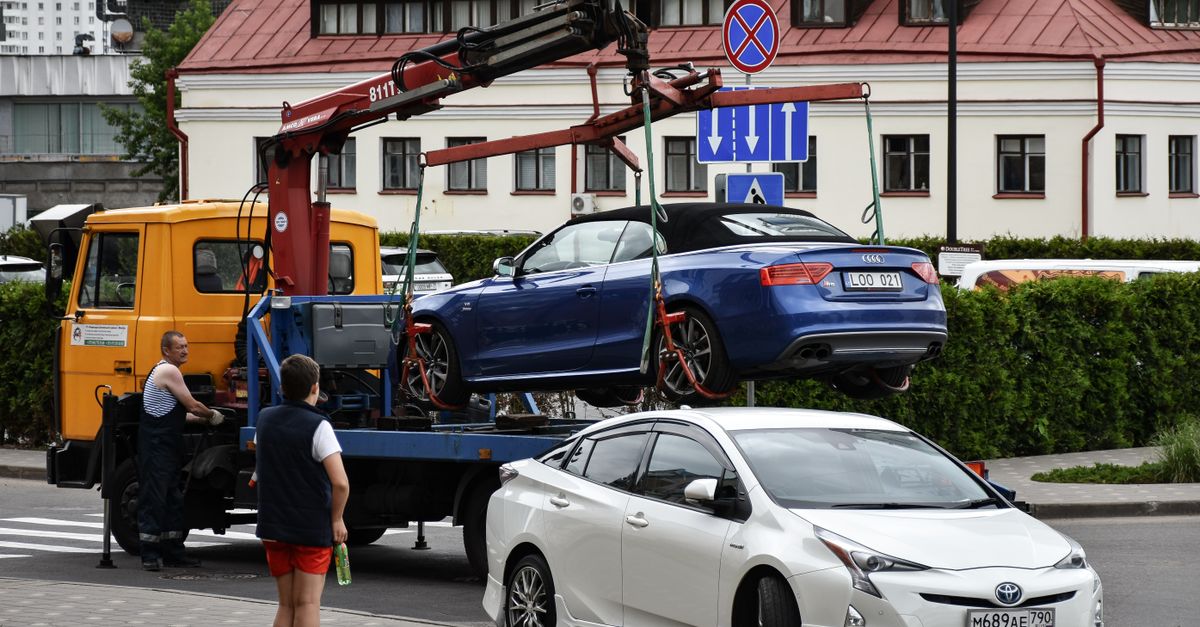
If your car gets towed in Washington, you need to know your rights. Washington towing laws protect drivers from unfair fees and predatory practices. This guide walks you through everything you need to know about Washington state towing regulations, your protections, and how to handle a tow situation.
What Are the Maximum Towing Fees in Washington?
Washington sets strict limits on what tow companies can charge. The state caps the initial tow fee at $150 for passenger vehicles weighing up to 10,000 pounds. Heavy vehicles and commercial trucks may have higher limits based on weight.
Mileage charges are allowed on top of the base fee. Tow companies can charge $3 to $5 per mile depending on distance and vehicle type. So a 10-mile tow could cost $150 plus $30–$50 in mileage fees.
These are legal maximums. Some companies charge less. Always ask for a quote before authorizing a tow. Request an itemized bill showing the base fee and mileage separately.
Warning: If a tow company charges more than the state maximum, you can dispute the charge and file a complaint with the Washington Attorney General's office.
How Are Storage Fees Regulated in Washington?
Storage fees add up fast. Washington limits daily storage charges to $25 per day for standard vehicles after the first 24 hours. The first day is often included in the tow fee.
You'll pay storage fees while your car sits in the impound lot. These charges continue until you recover your vehicle or the tow company sells it. Most people need to retrieve their car within 3–5 days to avoid big storage bills.
If you're disputing the tow, ask the company to waive storage fees or reduce them. Some companies negotiate, especially if the tow was questionable. Get everything in writing.
For detailed information on storage limits across all states, check our Towing Storage Fees: Legal Limits by State 2026 guide.
What Happens During a Private Property Tow in Washington?
Private property tows happen on parking lots, apartment complexes, and private land. Washington requires property owners to post clear signs before they can tow your car. The signage must be visible and state the towing company's name and phone number.
Here's what must happen for a legal private property tow:
- A sign must warn that unauthorized vehicles will be towed
- The sign must include the tow company's name and 24-hour phone number
- The tow company must try to reach the vehicle owner before towing (if contact info is available)
- You have the right to retrieve your vehicle within 24 hours
If the property owner skipped the warning signs or the tow company didn't follow proper procedures, you may have grounds to fight the tow. Document everything—take photos of the parking lot, note the date and time, and get the tow company's name.
Learn more about your rights in our Private Property Towing Laws by State: Your Rights Guide 2026.
What Are Your Rights When Your Car Gets Towed?
Washington state gives you important protections when you're towed. You have the right to inspect your vehicle before paying. Check for damage, missing items, and the vehicle's condition. Document any existing damage with photos or video.
You also have the right to an itemized receipt showing all charges. This receipt must list the base tow fee, mileage charges, storage fees, and any other costs. Never pay a lump sum without seeing the breakdown.
You can request a written explanation of why your car was towed. This is especially important for private property tows. If the tow was unlawful, you can dispute it and potentially recover your fees.
If the tow company refuses to let you inspect your vehicle or won't provide an itemized bill, that's a red flag. Contact the Washington Attorney General's Consumer Protection Division immediately.
How Do You Challenge an Illegal Tow in Washington?
If you believe your tow was illegal, act fast. Washington gives you a limited time to file a complaint. Here's the step-by-step process:
- Gather all documents—the tow receipt, photos, witness statements, and parking signs (if any)
- Contact the tow company in writing and request a refund, citing the violation
- If they refuse, file a complaint with the Washington Attorney General's office
- You can also file a small claims court case to recover towing and storage fees
- Keep copies of all correspondence and receipts for your case
Small claims court is your best option for amounts under $5,000. You don't need a lawyer, and the process is straightforward. Bring your evidence—the receipt, photos, witness contact info, and proof of payment.
For more guidance on fighting a tow, read our Car Got Towed: Complete Guide to Recovery & Your Rights.
What Are the Rules for Abandoned Vehicle Tows?
Washington allows towing of abandoned vehicles, but strict rules apply. A vehicle is considered abandoned if it's been parked in one spot for 72 hours or more without moving. The vehicle must have expired registration or appear inoperable.
Before towing an abandoned vehicle, the property owner must post a notice on the car for at least 24 hours. The notice must state the vehicle will be towed and provide contact info for the property owner.
After towing, the tow company must try to contact the registered owner within 24 hours. If the owner can't be reached, the tow company can hold the vehicle for up to 30 days before selling it or scrapping it.
If your car was towed as abandoned, you have the right to recover it within that 30-day window. You'll need to pay towing and storage fees, but you can negotiate if the tow was questionable.
What Should You Know About Police-Ordered Tows?
Police-ordered tows happen when law enforcement directs a tow for traffic violations, parking violations, or accident cleanup. These tows have different rules than private tows.
When police order a tow, the tow company must provide you with written notice of where your vehicle is being taken. You should receive information about the tow lot location and how to retrieve your car.
Police-ordered tows still fall under Washington's fee limits. You can't be charged more than the state maximums, even for police tows. However, you may have fewer grounds to dispute a police-ordered tow than a private property tow.
If you believe a police tow was unjustified, you can file a complaint with the police department and the city attorney. For detailed information, see our Police-Ordered Tows: What You Need to Know guide.
How Do You Recover Your Vehicle From an Impound Lot?
Once your car is towed, you need to act fast to minimize storage fees. Here's how to get your vehicle back:
- Contact the tow company or impound lot immediately to confirm your car's location
- Ask for the total amount due, including tow, storage, and any administrative fees
- Request an itemized bill before paying anything
- Inspect your vehicle for damage before handing over payment
- Pay by credit card or check if possible—avoid cash when you can
- Get a signed receipt showing the date, amount paid, and vehicle condition
- Take photos of your vehicle as it leaves the lot
Most impound lots require payment in full before releasing your vehicle. Some accept payment plans if you're facing hardship, but this is rare. Call ahead to confirm their payment methods and hours.
If you can't afford the full amount, ask about fee waivers or reductions. Explain your situation honestly. Some tow companies will negotiate, especially if they know the tow was legally questionable.
What Insurance Coverage Applies to Towing in Washington?
Your auto insurance may cover towing costs, depending on your policy. Most comprehensive and collision plans include towing coverage, usually up to $100–$200 per incident.
Roadside assistance coverage is separate and often cheaper. AAA, GEICO, Progressive, and State Farm all offer roadside plans that cover towing. These plans typically cost $50–$150 per year and include towing, lockouts, jump-starts, and fuel delivery.
Check your policy before you need a tow. Call your insurance company and confirm what's covered. If you don't have coverage, consider adding it. It's cheap insurance against a big bill.
For a deeper dive, read our Towing Insurance Coverage Guide: What's Covered and What's Not.
What Are Common Towing Violations in Washington?
Tow companies sometimes break the law. Here are the most common violations you should watch for:
- Excessive fees: Charging more than the state maximum for towing or storage
- Missing signage: Towing from private property without proper warning signs
- No notice: Failing to notify you that your vehicle was towed
- Refusing inspection: Won't let you check your car before payment
- No itemized bill: Charging a flat rate without breaking down costs
- Damaged vehicle: Returning your car with new damage or missing parts
- Unlawful tow: Towing without legal authority or justification
If you spot any of these violations, document everything. Take photos, get witness names, and save all receipts. Report the violation to the Washington Attorney General's office. You may be entitled to a refund plus damages.
How Do You File a Complaint With Washington Authorities?
If a tow company violates Washington law, file a formal complaint. The Washington Attorney General's Consumer Protection Division handles towing complaints. Here's how:
- Visit the Attorney General's website (atg.wa.gov)
- Click "File a Consumer Complaint"
- Provide details about the tow, dates, company name, and what went wrong
- Include copies of receipts, photos, and any written correspondence
- Submit the complaint and keep a copy for your records
The Attorney General's office will investigate. They may ask you for more information. If they find a violation, they can force the company to refund you and pay penalties.
You can also file a complaint with the Better Business Bureau (BBB). This creates a public record and may pressure the company to refund you. The BBB doesn't have legal authority, but negative ratings hurt businesses.
What Should You Do If You Can't Find Your Towed Car?
Sometimes you don't know where your car was towed. Start by calling local tow companies and impound lots. Ask if they have your vehicle. Give them your license plate number and vehicle description.
Contact the police non-emergency line. If your car was towed for a traffic violation or abandoned vehicle, police records will show where it went. They can tell you the tow company and lot location.
Check our Find My Car: Complete Guide to Locating Your Vehicle for detailed steps on tracking down your car.
Once you locate your vehicle, call the lot and confirm the amount due. Don't show up without knowing the total—some lots won't release cars without full payment.
Key Washington Towing Laws Checklist
Here's a quick checklist of what you need to know about Washington towing laws:
- Maximum tow fee: $150 for standard vehicles
- Mileage charges: $3–$5 per mile (allowed in addition to base fee)
- Daily storage: $25 per day after the first 24 hours
- Private property tows require visible warning signs with company name and phone
- You have the right to inspect your vehicle before paying
- You must receive an itemized receipt for all charges
- You can challenge illegal tows in small claims court
- Police-ordered tows follow the same fee limits as private tows
- Abandoned vehicles must have a 24-hour notice before towing
- Report violations to the Washington Attorney General's office
Frequently Asked Questions About Washington Towing Laws
Can a tow company charge me before I inspect my car? No. Washington law gives you the right to inspect your vehicle before payment. If a company refuses, that's a violation. Don't pay until you've checked the car for damage.
What if my car was towed illegally? You can file a complaint with the Washington Attorney General, dispute the charge with your credit card company, or sue in small claims court. Keep all documentation—receipts, photos, witness info, and parking signs.
Are storage fees capped in Washington? Yes. Daily storage is limited to $25 per day after the first 24 hours. If you're charged more, that's a violation. Request a refund and file a complaint if necessary.
How long can a tow company hold my car? For abandoned vehicles, up to 30 days. For regular tows, there's no set limit, but they can charge storage fees daily. Retrieve your car quickly to minimize costs.
Do I need a lawyer to fight a tow in Washington? No. Small claims court doesn't require a lawyer, and the process is simple. Bring your evidence and let the judge decide. Most cases are resolved in one hearing.
Can insurance help pay for a disputed tow? Not usually. Insurance covers legitimate towing costs, not disputed ones. If you have roadside assistance, they may help, but they won't pay for illegal tows.
For more comprehensive information on towing laws nationwide, check our Towing Laws by State: Your Rights & Protection Guide 2026.
Finding Trusted Towing Services in Washington
When you need a tow, choose a reputable company. Look for licensed, insured tow services with good reviews. Ask about their pricing upfront and confirm they follow Washington law.
AAA, GEICO, Progressive, and State Farm all partner with vetted towing networks. Using their preferred providers often means better service and transparent pricing. Prices from these providers are current as of 2026. We're not affiliated with these companies.
If you don't have insurance coverage, find towing services near you on USA Tow Finder. Our directory lists licensed, compliant companies in Washington. Read reviews, compare prices, and book with confidence.
Washington towing laws exist to protect you. Know your rights, keep documentation, and don't hesitate to challenge unfair charges. Most disputes are resolved quickly when you have proof and know the law.
Frequently Asked Questions
Need Emergency Towing Services?
Don't wait when you're stranded. Get professional help now.
Find Trusted Towing Services in Washington

Discussion (0)
Be the first to comment!
Share your experience or ask questions about towing services.