
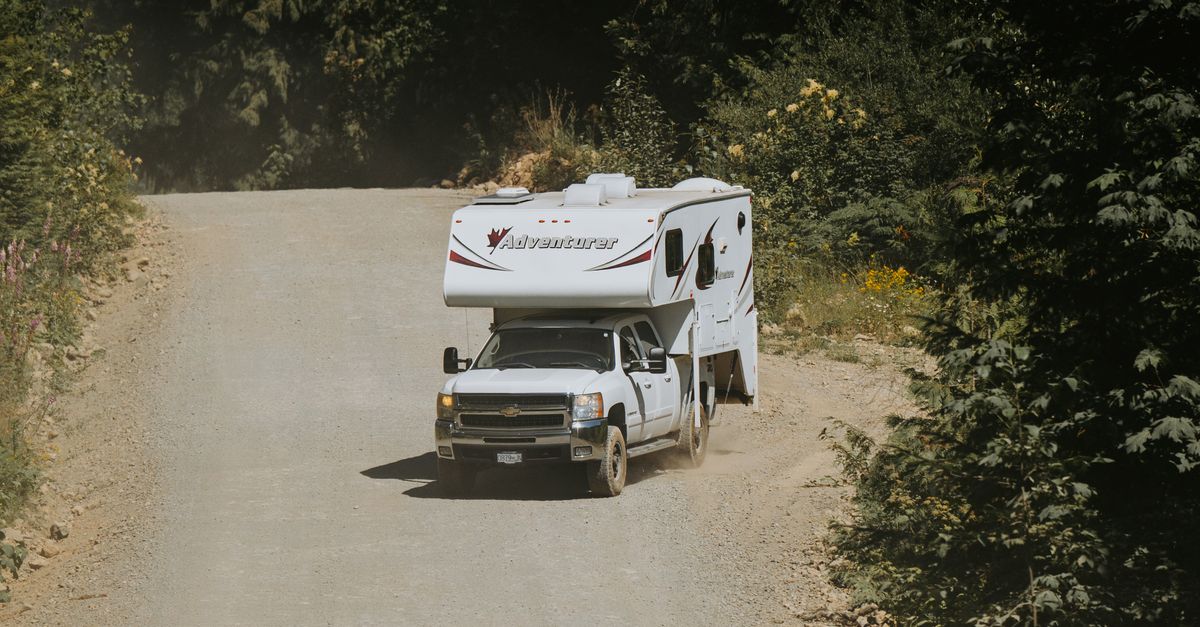
Can Your Truck Actually Tow That Camper?
Most truck owners overestimate what their vehicle can safely tow. You see the towing capacity badge on the back. That number doesn't tell the whole story. It's only one piece of the puzzle.
Real-world towing depends on engine type, transmission, rear axle ratio, suspension, and even your trailer's weight distribution. A truck rated for 10,000 lbs might actually handle only 7,500 lbs safely when you add passengers, cargo, and a full propane tank.
Here's the thing: towing capacity is different from payload capacity. You need both numbers to tow safely.
What Size Truck to Tow Camper: The Basic Rule
The safest rule? Your truck's towing capacity should be at least 20% higher than your camper's dry weight. Not wet weight. Dry weight is what the manufacturer lists.
A half-ton truck (F-150, Silverado 1500, Ram 1500) typically handles trailers up to 8,000 lbs dry weight. Three-quarter-ton trucks (F-250, Silverado 2500, Ram 2500) manage 10,000-15,000 lbs. One-ton trucks handle 15,000+ lbs.
But here's where people mess up: they forget about cargo weight. Water, propane, food, gear, and passengers add 2,000-4,000 lbs to your camper's dry weight.
Understanding Gross Vehicle Weight Rating (GVWR)
GVWR is the maximum weight your truck can carry, including the vehicle itself, passengers, cargo, and trailer tongue weight. It's printed on a sticker inside your driver's door.
Let's say your truck weighs 4,500 lbs and has a GVWR of 7,200 lbs. That leaves only 2,700 lbs for cargo, passengers, and tongue weight combined.
Many towing disasters happen because people ignore GVWR. Your truck might be rated to tow 10,000 lbs, but your GVWR might only allow 6,000 lbs total weight. This is especially true with luxury trucks loaded with leather, sunroofs, and heavy wheels.
Calculate your available capacity: GVWR minus your truck's curb weight equals your maximum payload. That includes everything inside the truck and the tongue weight of your trailer.
Hitch Class and Towing Capacity Match
Hitch classes aren't just about the physical size. They're linked to towing capacity recommendations.
- Class I: Up to 2,000 lbs towing, 200 lbs tongue weight. Small trailers and utility hitches.
- Class II: Up to 3,500 lbs towing, 300 lbs tongue weight. Light trailers, cargo carriers.
- Class III: Up to 8,000 lbs towing, 800 lbs tongue weight. Most travel trailers under 6,000 lbs dry weight.
- Class IV: Up to 14,000 lbs towing, 1,200 lbs tongue weight. Large travel trailers, fifth wheels.
- Class V: 14,000+ lbs towing, 1,500+ lbs tongue weight. Heavy fifth wheels, commercial use.
Your truck probably came with a factory hitch. Check your owner's manual to confirm the class. Installing a heavier hitch doesn't magically increase your truck's capacity. Your engine, transmission, and suspension still have the same limits.
Half-Ton Trucks: What They Can Really Tow
Half-ton trucks are the most popular choice for camper towing. They're affordable, fuel-efficient, and handle most travel trailers.
Modern half-tons tow 7,000-14,000 lbs depending on engine and configuration. But here's the catch: that's maximum towing capacity, not safe capacity.
For a half-ton truck, plan to tow campers between 4,000-8,000 lbs dry weight. Anything heavier puts stress on the engine, transmission, and suspension. You'll see worse fuel economy, shorter transmission life, and handling issues in crosswinds or mountain grades.
Half-ton limitations include smaller fuel tanks (typically 26-36 gallons), lighter-duty suspension, and shorter wheelbase. These factors matter more on long trips where you're running the engine hard for hours.
Examples: Ford F-150 (12,000 lbs max), Chevrolet Silverado 1500 (13,000 lbs max), Ram 1500 (14,000 lbs max with diesel). But check your specific model year and engine option.
Three-Quarter-Ton and One-Ton Trucks: The Safe Choice
Three-quarter-ton trucks (F-250, Silverado 2500, Ram 2500) are built for towing. They feature stronger frames, heavier-duty suspensions, and more powerful engines.
Three-quarter-tons tow 12,000-18,000 lbs. They handle campers up to 12,000 lbs dry weight comfortably. One-ton trucks (F-350, Silverado 3500, Ram 3500) exceed 20,000 lbs towing capacity and handle anything you throw at them.
The trade-off? Higher price, worse fuel economy (15-18 mpg vs. 20-24 mpg for half-tons), and a stiffer ride when empty. But for serious camping trips, the safety margin is worth it.
Three-quarter-tons have bigger fuel tanks (30-48 gallons), stronger transmissions designed for constant towing, and reinforced suspension. They're also better equipped to handle rough terrain and poor road conditions.
If you're towing more than 8,000 lbs, a three-quarter-ton truck is the smarter choice. You'll have better brake performance, less transmission strain, and safer handling in emergencies.
Tongue Weight: The Number Everyone Forgets
Tongue weight is how much of the trailer's weight sits on your truck's hitch. It's usually 10-15% of the trailer's total weight.
A 6,000 lb camper has tongue weight around 600-900 lbs. That weight counts against your truck's payload capacity. If your truck can carry 1,500 lbs payload and your tongue weight is 900 lbs, you have only 600 lbs left for passengers and gear.
Tongue weight that's too light (under 10%) causes trailer sway. Too heavy (over 15%) overloads your truck's rear suspension and reduces steering control.
Always measure tongue weight with a tongue scale at a truck stop. Don't estimate. Uneven weight distribution inside the trailer throws off the balance and creates dangerous sway at highway speeds.
Engine Type and Towing Performance
Not all truck engines are equal. Diesel engines tow better than gasoline engines. V8s tow better than V6s. Turbocharged engines provide more torque than naturally aspirated ones.
Diesel engines offer 30-40% more torque than comparable gasoline engines. That's why a 3/4-ton diesel can tow more smoothly than a 3/4-ton gasoline truck. Diesels also handle sustained towing better on mountains and highways.
Gasoline engines with turbochargers (EcoBoost, Ecojet) bridge the gap. They provide better torque and towing than naturally aspirated V6s but don't match diesel efficiency on long trips.
V6 engines in half-tons struggle with heavy campers. They work harder, run hotter, and burn more fuel. If you're considering a half-ton, choose the V8 option if available.
Transmission type matters too. 10-speed automatics distribute power more smoothly than older 6-speed transmissions. Better transmission = smoother towing and less strain on the engine.
Transmission and Axle Ratio Considerations
Your truck's transmission and rear axle ratio determine how efficiently it tows. A higher axle ratio (like 3.73:1 or 3.55:1) provides more torque for towing but reduces fuel economy on highways.
Factory trucks built for towing come with appropriate axle ratios. Trucks with lower ratios (2.73:1) are optimized for fuel economy, not towing. If you're buying a used truck, ask about the axle ratio before assuming it can tow your camper.
Transmission coolers are essential for heavy towing. They keep transmission fluid at safe temperatures during long climbs and sustained highway driving. Many factory trucks include transmission coolers. If yours doesn't and you're towing regularly, consider adding an aftermarket cooler.
Suspension and Braking Systems
Your truck's suspension must support the extra weight. Heavier campers compress the rear springs, affecting ride quality and handling.
Air suspension (available on some luxury trucks) adjusts automatically when towing. Coil spring suspension (common on half-tons) sags more noticeably. Leaf spring suspension (3/4-tons and one-tons) is built for load-carrying.
Trailer brakes are legally required for trailers over 1,500 lbs. Most modern campers have electric or hydraulic surge brakes. Your truck needs a brake controller to manage them. A good brake controller prevents jackknifing and reduces stopping distance.
Larger trucks often come with integrated brake controllers. Smaller trucks might need aftermarket controllers. Don't skip this—trailer brakes save lives on mountain grades and emergency stops.
Wheelbase and Overhang: Stability Matters
Wheelbase (distance between front and rear axles) affects towing stability. Longer wheelbases provide better balance when towing heavy trailers.
Most trucks have wheelbase between 120-160 inches. Longer wheelbase trucks (140+ inches) tow more stably. Shorter wheelbase trucks (under 130 inches) are prone to sway with heavy campers.
Overhang (distance from rear bumper to trailer hitch) matters too. Excessive overhang creates leverage that makes the trailer swing side to side. Keep hitch tongue weight properly balanced to minimize overhang effects.
If you're between two truck sizes, choose the longer wheelbase option. The extra stability is worth the slight fuel economy trade-off.
Real-World Weight Considerations
Camper manufacturers list dry weight, but that's misleading. Actual weight on the road is much higher.
A 5,000 lb dry weight camper weighs 7,000-8,000 lbs when loaded for camping:
- Fresh water tank: +500 lbs (full)
- Propane: +100 lbs (full)
- Gear, clothes, food: +1,000 lbs
- Wet weather (rain, snow): +200 lbs
- Furnishings wear: +200 lbs (over time)
Always calculate wet weight, not dry weight. Add 30-40% to the manufacturer's dry weight for a realistic estimate.
Your truck's fuel tank also adds weight. A full 40-gallon tank weighs 280 lbs. Passengers and personal gear in the truck add another 300-500 lbs. This all counts against your payload.
How to Choose the Right Truck for Your Camper
- Know your camper's specs: Get the dry weight, wet weight (if available), and tongue weight from the manufacturer.
- Add cargo weight: Assume 30-40% additional weight when fully loaded.
- Check your truck's GVWR: Find the label on your driver's door jamb. This is your hard limit.
- Calculate payload capacity: Subtract your truck's curb weight from GVWR. Compare this to camper tongue weight plus passengers and gear.
- Verify towing capacity: Check your owner's manual or manufacturer website for your specific engine and configuration.
- Apply the 20% rule: Your truck's towing capacity should be at least 20% higher than your camper's wet weight.
- Test tow before buying: Rent a similar camper and tow it in real conditions before purchasing.
- Consider fuel economy: Towing reduces mpg by 20-30%. Budget for higher fuel costs.
- Install a brake controller: Essential safety equipment for trailers over 1,500 lbs.
- Get proper insurance: Talk to your agent about towing insurance coverage for your camper and truck.
Common Mistakes That Lead to Unsafe Towing
People make predictable errors when matching trucks to campers. Here's what to avoid:
- Ignoring GVWR: The biggest mistake. Your truck might tow 12,000 lbs but your GVWR only allows 8,000 lbs total weight.
- Using dry weight instead of wet weight: Campers are always heavier when packed. Add 30-40% for realistic weight.
- Forgetting tongue weight: This counts against payload capacity. A 1,000 lb tongue weight on a truck with 1,500 lb payload leaves only 500 lbs for people and gear.
- Choosing based on engine size alone: A big engine doesn't mean strong transmission or adequate suspension. Check the whole package.
- Buying a truck without test towing: Rent a camper and tow it before committing to a truck purchase.
- Skipping brake controllers: Trailer brakes are safety-critical. Install a quality controller and learn to use it.
- Overloading the truck bed: Cargo in the bed pushes down on the rear suspension, reducing tongue weight capacity.
Towing Safety Tips for Camper Owners
Once you've confirmed your truck can handle your camper, follow these safety practices:
- Check tire pressure on both truck and trailer before every trip. Underinflated tires overheat and fail.
- Inspect brake lights, turn signals, and brake fluid before towing. Trailer brakes must work perfectly.
- Practice backing up in an empty parking lot. Trailer backing takes skill you can only learn through practice.
- Load weight toward the front of the camper. Forward weight improves stability and reduces sway.
- Don't exceed 55 mph in strong crosswinds. Light trailers are vulnerable to side gusts.
- Use lower gears on mountain descents. Engine braking saves your truck's brakes from overheating.
- Stop every 2 hours to check tire temperature and brake condition. Feel the wheels—they should be warm, not hot.
- Keep your truck well-maintained. Suspension, brakes, and transmission must be in top shape for safe towing.
When to Hire Professional Towing Help
Sometimes it's safer to let professionals handle your camper. Know when to call a tow truck instead of risking it yourself.
You should hire professional help if:
- Your truck has mechanical issues (transmission slipping, brake problems, suspension damage)
- You're towing in severe weather (ice, heavy snow, high winds)
- You're navigating mountain passes over 7,000 feet elevation
- Your camper has brake or electrical failures
- You're uncomfortable with the towing experience after test driving
Find towing services near you if you need professional help. Experienced towing companies have specialized equipment and know how to handle heavy loads safely.
For RV-specific towing needs, check our RV and Motorhome Towing Guide: Special Equipment Needs for detailed information about fifth wheels and larger campers.
Camper Size Recommendations by Truck Type
| Truck Type | Max Towing Capacity | Recommended Camper Dry Weight | Best For |
|---|---|---|---|
| Half-ton (F-150, Silverado 1500, Ram 1500) | 7,000–14,000 lbs | 4,000–6,000 lbs | Small travel trailers, teardrop campers |
| 3/4-ton (F-250, Silverado 2500, Ram 2500) | 12,000–18,000 lbs | 8,000–12,000 lbs | Mid-size travel trailers, large fifth wheels |
| 1-ton (F-350, Silverado 3500, Ram 3500) | 18,000–20,000 lbs | 12,000+ lbs | Heavy fifth wheels, luxury campers |
These recommendations assume properly maintained vehicles with appropriate hitch, brake, and suspension equipment. Always verify your specific truck's capacity with the manufacturer.
Budget for Truck Modifications and Upgrades
Your truck might need upgrades to safely tow a camper:
- Brake controller: $300–$800 installed
- Transmission cooler: $200–$600
- Suspension upgrade (airbags or springs): $400–$1,500
- Hitch installation: $200–$500
- Wiring harness and trailer connector: $100–$300
- Tire upgrade for heavier load rating: $600–$1,200 per set
Budget an extra $1,500–$3,500 if your truck needs modifications. This is cheaper than transmission failure or brake problems on the road.
Insurance and Legal Considerations
Before towing a camper, verify your insurance covers the trailer. Towing Insurance Coverage Guide: What's Covered and What's Not explains what you need to know.
Some insurance policies exclude trailers or limit coverage. Others require separate trailer insurance. Contact your agent before your first trip.
Liability limits matter too. A camper accident could cause injuries or property damage exceeding your current coverage. Consider increasing liability limits if you're towing regularly.
Prices from providers like State Farm, GEICO, and Progressive are current as of 2026. We're not affiliated with these companies.
Frequently Asked Questions About Towing Campers
Can a half-ton truck tow a 10,000 lb camper? Technically, some half-tons are rated for 10,000+ lbs towing. But practically, no. Your payload capacity and GVWR will be maxed out. A three-quarter-ton truck is the safe choice.
What if my truck is underpowered for my camper? Don't tow it. An underpowered truck will overheat, damage the transmission, and create dangerous sway. Either get a larger truck or a lighter camper.
Does a weight-distributing hitch change towing capacity? No. A weight-distributing hitch improves handling and stability but doesn't increase your truck's actual towing limit. It just distributes the load more evenly.
Should I buy a used truck for towing? Yes, but inspect it thoroughly. Check transmission fluid for burning smells, suspension for wear, and brakes for thickness. Have a mechanic inspect any used truck before towing.
How much does towing reduce fuel economy? Expect 20-30% worse mpg when towing. A truck that gets 20 mpg empty might only get 14-16 mpg with a camper. This varies by truck, camper weight, and driving conditions.
Next Steps: Finding Your Perfect Towing Setup
Matching the right truck to your camper takes research, but it's worth the effort. A properly matched setup is safer, more enjoyable, and lasts longer.
Start by knowing your camper's real weight (including gear and water). Then check your truck's GVWR and payload capacity, not just towing numbers. Test tow a similar camper before making a final decision.
If you need help after an accident or breakdown on the road, find towing services near you for professional assistance. Having reliable roadside support gives you peace of mind on camping trips.
For more information about towing safety and regulations, check our How to Prepare Your Vehicle for Towing: Complete Safety Guide and learn what inspections matter most.
Frequently Asked Questions
Need Emergency Towing Services?
Don't wait when you're stranded. Get professional help now.
Find Trusted Towing Services
Discussion (0)
Be the first to comment!
Share your experience or ask questions about towing services.