
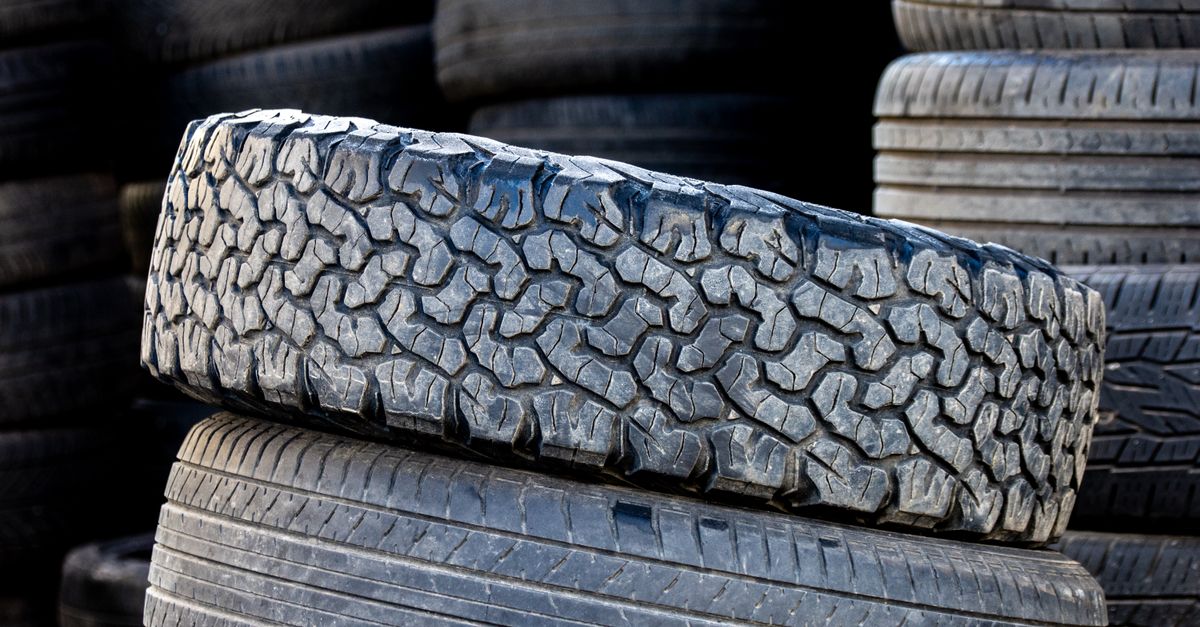
Getting a flat tire at 2 AM isn't fun. But Houston drivers have options. 24-hour tire shops keep their doors open around the clock to handle emergencies when regular shops close.
This guide walks you through finding the right emergency tire service. You'll learn what to expect, how much it costs, and what questions to ask before you call.
Why You Need a 24 Hour Tire Shop in Houston
Houston traffic is brutal. Tires take a beating on highways and city streets alike. Potholes, debris, and heat damage happen constantly.
When a tire fails at midnight on I-10, you can't wait until morning. A 24-hour tire shop gets you back on the road fast. No towing fees. No waiting for a tow truck. Just fast repairs.
Houston's hot climate makes tire problems worse. High temperatures weaken tire rubber. Pressure changes happen faster. Blowouts become more common in summer months. Studies show tire failures increase by 25% during peak summer heat in Texas. The average pavement temperature in Houston can exceed 140°F, which accelerates tire degradation significantly.
How to Find Open Tire Shops Right Now
Your phone is your best tool. Here's the fastest way to find help:
- Open Google Maps on your phone
- Search "24 hour tire shop near me" or "emergency tire repair houston"
- Filter results by open now and highest rating
- Call ahead before driving there
- Ask about wait times and current pricing
Don't rely on websites alone. Hours change. Shops close unexpectedly. A quick phone call saves you a wasted trip.
Major tire retailers like Discount Tire, Firestone, and Goodyear have Houston locations. Some offer 24-hour service. Others have limited night hours. Call first.
You can also check AAA's website for approved tire shops. Many AAA members get discounts on tire services and repairs. The Better Business Bureau maintains lists of accredited shops in your area too.
What Services Do 24 Hour Tire Shops Offer?
Emergency tire shops do more than just patch tires. Here's what you can expect:
- Tire repair and patching for small punctures
- Full tire replacement with multiple brands available
- Tire balancing and rotation services
- Wheel alignment and straightening
- Roadside assistance and emergency towing
- Pressure checks and inflation
- Tire mounting and dismounting
- Flat repair diagnostics to determine repairability
- Tire disposal and recycling services
- Emergency tire changes on the roadside
Some shops offer mobile service. They come to you on the highway. Others require you to drive in. Ask about both options when you call.
Full-service shops handle everything in one stop. You won't need to call a tow truck when your car breaks down if you can get tire service quickly.
Many shops now offer digital tire inspections where they photograph damage and send it to you. This helps you understand the problem and make informed decisions about repair versus replacement.
How Much Does Emergency Tire Service Cost?
Pricing varies wildly. Emergency service costs more than daytime visits. Here's what to expect:
| Service Type | Average Cost | Price Range |
|---|---|---|
| Tire patch (small puncture) | $15-$25 | $10-$35 |
| Tire repair (larger damage) | $40-$75 | $30-$100 |
| New tire (budget brand) | $80-$150 | $60-$200 |
| New tire (premium brand) | $150-$300 | $120-$400 |
| Emergency service fee | $25-$50 | $15-$75 |
| Roadside pickup | $50-$150 | $40-$200 |
Prices from providers like Discount Tire, Firestone, Goodyear, and local Houston shops are current as of 2026. We're not affiliated with these companies.
Always ask for a quote before work starts. Emergency fees shouldn't surprise you. Reputable shops quote prices upfront.
Check if your insurance covers emergency tire service. Some policies include roadside assistance. That might cover the cost entirely. Many comprehensive auto insurance plans include coverage for tire-related emergencies, sometimes up to $500 per incident.
Types of Tire Damage and Repair Options
Not every tire problem requires replacement. Understanding damage types helps you know what to expect.
Small Punctures (Repairable)
Punctures smaller than 1/4 inch can be patched. This is the cheapest fix. A plug or patch costs $15-$25. It takes 15-30 minutes.
Punctures in the tread can be patched. Punctures in the sidewall cannot. The sidewall flex makes patches fail.
Larger Punctures (Replacement Needed)
Holes larger than 1/4 inch need replacement. Repairs won't hold. A new tire costs $80-$400 depending on brand and size.
Sidewall damage always needs replacement. Never patch a sidewall. It will fail under pressure.
Blowouts (Complete Failure)
Blowouts destroy the tire completely. You'll need a full replacement. This is why you need emergency roadside kit essentials in your car.
Keep a spare tire inflated. It gets you to a shop safely. Don't drive far on a spare. It's temporary only.
Questions to Ask Before Choosing a Shop
Smart questions save money and prevent problems. Ask these before you drive in:
- "Are you actually open right now?" (Confirm hours)
- "What's your current wait time?" (Plan accordingly)
- "What brands do you have in stock?" (Get options)
- "Do you offer a warranty on repairs?" (Protect yourself)
- "What's your labor rate?" (Understand costs)
- "Can you bill my insurance?" (Simplify payment)
- "Do you offer mobile service?" (Highway help)
- "What's your emergency service fee?" (Know the total)
- "Can you provide references or recent reviews?" (Check reputation)
- "What's your return policy if problems occur?" (Know your recourse)
Shops that answer clearly are usually trustworthy. Vague answers are a red flag.
Ask about warranty coverage too. Good shops warranty patches for 6-12 months. New tires should have manufacturer warranties of 3-5 years.
Preventing Tire Emergencies in Houston Heat
Prevention is cheaper than emergency repair. Houston's heat demands tire maintenance.
Check Tire Pressure Monthly
Heat increases pressure. Underinflated tires wear faster. Overinflated tires blowout more easily. Check pressure when tires are cold (before driving).
Your car's door jamb shows correct pressure. Not the tire sidewall. That's the maximum pressure.
Inspect Tread Depth Regularly
Use the penny test. Insert a penny into the tread with Lincoln's head upside down. If you see the top of his head, tread is too shallow.
Replace tires when tread reaches 2/32 of an inch. Don't wait until they're bald.
Rotate Tires Every 5,000-7,000 Miles
Rotation prevents uneven wear. Front tires wear faster because they handle steering. Rotating extends tire life by thousands of miles.
Get Wheel Alignment Checked
Misaligned wheels cause premature wear. Get alignment checked if you notice pulling or uneven wear patterns. Professional alignment costs $75-$150 but can save you $200+ in premature tire replacement.
When to Replace vs. Repair a Tire
Some damage requires replacement. Some allows repair. Here's how to decide:
Repair Is OK If:
- Puncture is in the tread (not sidewall)
- Hole is smaller than 1/4 inch
- Tire tread is still above 2/32 inch
- No visible cracks or bulges exist
- Tire isn't too old (less than 10 years)
Replace If:
- Damage is in the sidewall
- Hole is larger than 1/4 inch
- Multiple punctures exist
- Tread is already worn thin
- Tire shows cracking or bulging
- Tire is over 10 years old
Don't gamble with safety. When in doubt, replace the tire. A blowout at highway speed is dangerous.
Tire Shop Comparison: Chain vs. Local Shops
Houston has both big chains and independent shops. Each has pros and cons.
Chain Tire Shops
Pros: Consistent pricing. Multiple locations. Extended hours. Known brands. Warranty coverage.
Cons: Higher prices. Less personal service. Upselling common. Long waits during busy times.
Chains like Discount Tire, Firestone, and Goodyear are reliable but pricier.
Local Independent Shops
Pros: Often cheaper. Personalized service. Faster for regular customers. Flexible on pricing.
Cons: Variable quality. Fewer brand options. Limited warranty. Fewer locations.
Check reviews before visiting local shops. Google ratings matter. Read recent reviews, not old ones.
Tire Shop Red Flags to Avoid
Some shops use pressure tactics. Watch for these warning signs:
Warning: Never pay for work before it's done. Never agree to repairs over the phone without seeing the damage. Never let a shop pressure you into unnecessary replacements.
- Refusing to give a quote upfront
- Pressuring you to replace tires unnecessarily
- Adding charges not discussed beforehand
- Refusing to show you the damaged tire
- No warranty on repairs
- Poor online reviews mentioning overcharging
- Unwilling to answer your questions clearly
- Claiming your tire cannot be repaired without inspection
- Offering dramatically lower prices than competitors
Trust your instincts. If something feels off, find another shop. Houston has plenty of options.
How Roadside Assistance Helps with Tire Emergencies
Many drivers have roadside assistance through insurance or AAA. This can cover tire emergencies.
Programs like AAA, State Farm roadside assistance, and Progressive emergency roadside service often include tire changes and repairs. Coverage varies by plan.
Check your policy now. Don't wait for an emergency. Know what's covered and what's not.
Some programs cover the tire itself. Others cover labor only. Some have mileage limits or service caps. Read your coverage carefully.
If your car breaks down with tire problems, roadside assistance might cover tow truck service versus DIY fixes. That saves hundreds on towing fees.
Emergency Tire Service in Different Houston Areas
Service availability varies by location. Downtown Houston has more options than suburbs. Highway areas have fewer choices.
If you break down far from the city, call early. Rural areas have limited 24-hour service. Mobile tire services can reach you faster than driving to a shop.
Keep phone numbers saved. Don't rely on cell service to search when you're stranded. Write down numbers for shops near your common routes.
I-10, I-45, and I-610 have heavy traffic. Breakdowns happen frequently. Know which shops are closest to major highways.
Tire Shop Checklist for Emergency Visits
Use this checklist when you need emergency tire service:
- Verify the shop is actually open
- Ask about current wait times
- Get a quote before work starts
- Ask about warranty coverage
- Request to see the damaged tire
- Ask about payment methods and insurance billing
- Get a receipt with work details
- Ask about return policy if problems occur
- Request contact info for warranty claims
- Leave a review after service
Following this checklist protects you. It ensures you get fair pricing and quality work.
Need help finding a reliable service provider? Find trusted towing and tire services near you on USA Tow Finder.
Common Questions About 24 Hour Tire Shops
Here are questions Houston drivers ask most often:
Do I need an appointment?
Most 24-hour shops take walk-ins. Appointments aren't required for emergencies. Call ahead anyway. It helps them prepare and gives you a wait time estimate.
Can they fix my tire immediately?
Simple patches take 15-30 minutes. Replacements take 30-60 minutes depending on how busy they are. Complex jobs take longer.
What payment methods do they accept?
Most shops accept cash, credit cards, and debit cards. Some accept insurance billing. Ask about options when you call.
Is emergency service more expensive?
Yes. Most shops charge $25-$50 extra for off-hours service. This covers staffing costs for night shifts.
Do they sell used tires?
Some shops offer used tires at lower prices. Quality varies. New tires are safer and come with warranties.
What if the repair fails later?
Good shops warranty their work. Ask about warranty before paying. Most cover defects for 6-12 months.
Can they help if I'm stranded on the highway?
Some shops offer mobile service. They come to you. Others require you to drive in. Ask when you call.
Do they work on all tire types?
Most work on standard passenger tires. Specialty tires (run-flats, off-road, truck tires) may require different shops. Ask about your specific tire type.
How do I know if a shop is trustworthy?
Check Google reviews. Read recent feedback. Look for consistent mentions of fair pricing and good service. Ask friends for recommendations.
What should I do if overcharged?
Get a detailed receipt. Compare prices at other shops. File a complaint with the Better Business Bureau if needed. Dispute unfair charges with documentation and persistence.
Understanding your rights helps. Keep receipts and document everything.
Final Tips for Houston Tire Emergencies
Being prepared makes emergencies less stressful. Here's what to do now:
- Save 3-4 tire shop numbers in your phone
- Check your insurance roadside assistance coverage
- Keep a spare tire, jack, and lug wrench in your car
- Learn to change a tire (YouTube has great tutorials)
- Check tire pressure monthly
- Inspect tread depth regularly
- Plan your routes to avoid dangerous roads
- Drive slower in extreme heat
- Keep an emergency kit with flashlight, reflective triangles, and gloves
Houston's heat and traffic create tire emergencies constantly. You can't avoid them all. But you can be ready.
Having a plan makes the difference. Know where to go. Know what to expect. Know your budget. When a tire fails, you'll handle it calmly.
For more information on handling vehicle emergencies, read about what to do when your car breaks down and roadside assistance options available in 2026.
Ready to find the right service? USA Tow Finder connects you with trusted providers across Houston. Compare options, read reviews, and get help fast when you need it.
Frequently Asked Questions
Need Emergency Towing Services?
Don't wait when you're stranded. Get professional help now.
Find Tire Services in Houston


Discussion (0)
Be the first to comment!
Share your experience or ask questions about towing services.