
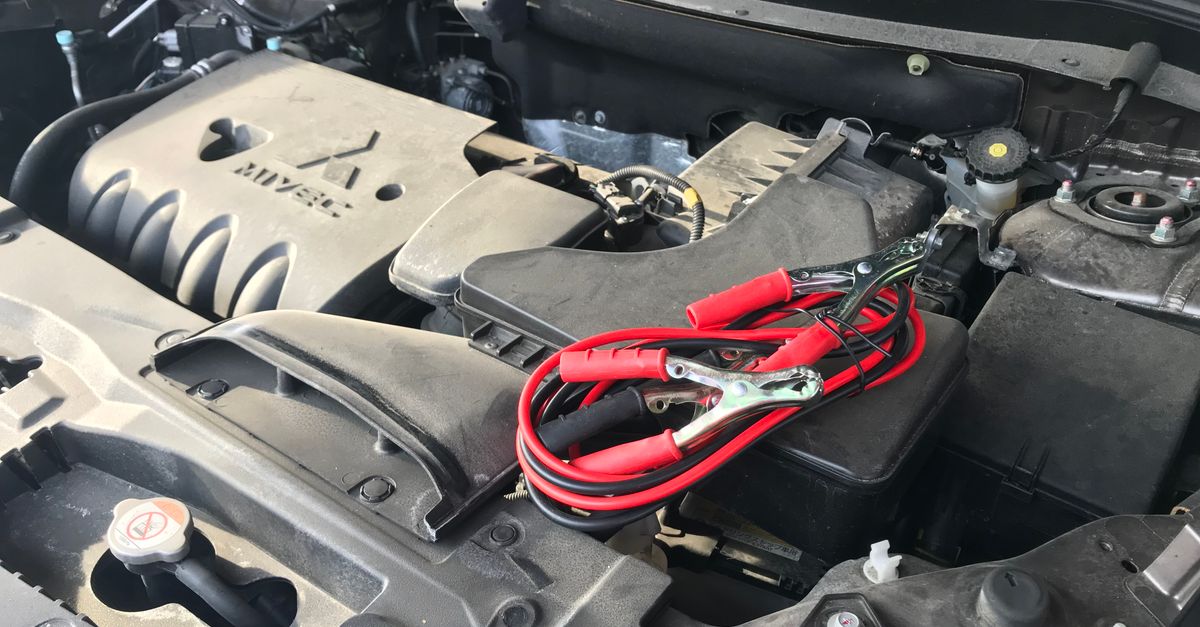
Your car won't start. You grab jumper cables and hope for the best. But here's the thing: not every dead battery responds to a jump-start. Understanding when a battery is too dead to jump can save you time, money, and frustration on the roadside.
What Does "Too Dead" Actually Mean?
A battery is "too dead" when it lacks enough voltage to accept a charge from jumper cables. Most car batteries operate at 12 volts when healthy. A battery drops below 3 volts — it's essentially finished.
Think of it like a phone battery. Once it hits zero percent, charging takes longer. But car batteries work differently. Below a certain voltage threshold, the chemical reaction inside stops working altogether.
Your battery might be dead but not "too dead." Dead means it won't start your car. Too dead means it won't accept a jump at all.
Can a Battery Be Too Dead to Jump Start?
Absolutely. A battery can be too dead to jump-start for several reasons. The most common cause? Complete electrical drain combined with age or damage.
When a battery sits completely drained for days or weeks, internal chemical reactions break down. The lead plates inside corrode. Sulfation builds up. Eventually, even a powerful jump won't restart the process.
A battery that's truly too dead shows these signs:
- Zero voltage reading on a multimeter
- Visible corrosion or damage to terminals
- Battery age over 5-7 years
- Swollen or bloated battery case
- No clicking sound when turning the key
If your battery shows these symptoms, jumping likely won't work. You'll need a replacement or professional help.
How Low Can a Battery Voltage Drop Before Jumping Fails?
Most car batteries need at least 3 to 4 volts to accept a jump-start. Below that range, the internal chemistry is too damaged to restart.
Here's what happens at different voltage levels:
| Battery Voltage | What It Means |
|---|---|
| 12+ volts | Battery is healthy and working normally |
| 10-12 volts | Battery is weak but jumpable |
| 5-10 volts | Battery is very dead, jumping is risky |
| Below 3 volts | Battery is too dead to jump safely |
A multimeter costs $15-30 and tells you exactly where your battery stands. This tool is worth having in your car.
If you don't have one, look for these clues: A clicking sound when turning the key means your battery has some juice. Complete silence means it's likely too dead.
Signs Your Battery Is Too Dead to Jump
Not every dead battery looks the same. Recognizing the difference between "dead" and "too dead" prevents wasted effort and frustration.
Your battery is probably jumpable if:
- You hear rapid clicking when turning the key
- Dashboard lights dim but still glow
- Battery terminals look clean and undamaged
- The battery is less than 5 years old
- The battery case appears normal (no swelling)
Your battery is likely too dead if:
- Complete silence when turning the key
- No dashboard lights at all
- Visible white, blue, or green corrosion on terminals
- Battery is over 7 years old
- Battery case is swollen, cracked, or leaking
- Burned smell coming from the engine bay
Warning: Never attempt to jump a battery that's leaking acid, smoking, or visibly damaged. This creates serious safety hazards.
Why Age and Damage Matter for Jump-Starting
An old battery behaves differently than a young one. A battery that's 7+ years old has likely lost its ability to hold a charge, even if it hasn't completely died yet.
Age matters because battery plates corrode over time. The sulfuric acid inside breaks down the lead terminals. Once this damage happens, no jump-start can reverse it.
Damage from physical impact, heat exposure, or water damage also prevents successful jumping. A battery dropped or exposed to extreme cold becomes unreliable.
Think about your battery's history: Has it been through a hard winter? Did your car sit unused for months? Has the battery been replaced recently? These factors predict whether jumping will work.
Step-by-Step: How to Safely Attempt a Jump-Start
If your battery shows signs of being jumpable, follow these steps carefully. Incorrect technique creates fire hazards and electrical damage.
- Get the right equipment. You need jumper cables (at least 4-6 gauge) and another vehicle with a working battery. Cheap cables often fail when you need them most.
- Position both vehicles safely. Park the helper car close but not touching yours. Turn off both engines. Open both hoods.
- Inspect the batteries. Look for visible damage, corrosion, or leaking. If the battery looks damaged, stop here and call for help.
- Connect the positive cable first. Attach the red clamp to your dead battery's positive terminal (+). Then attach the other red clamp to the helper car's positive terminal.
- Connect the negative cable. Attach the black clamp to the helper car's negative terminal (-). Then attach the other black clamp to an unpainted metal surface on your engine (not the negative terminal — this prevents sparks).
- Start the helper vehicle. Let it run for 2-3 minutes. This charges your dead battery gradually.
- Start your car. Try starting your engine. If it doesn't turn over after 30 seconds, stop and wait another minute. Don't force it.
- Disconnect in reverse order. Remove the black cable from your car first, then from the helper car. Remove the red cable from the helper car, then from your car.
- Drive immediately. Let your car run for at least 20 minutes to recharge the battery. Don't turn it off right away.
If your car still won't start after following these steps, your battery is too dead to jump. It's time to call a professional towing service.
What Causes a Battery to Become Too Dead?
Understanding why batteries die helps you prevent it from happening again. Most dead batteries result from specific situations, not random failure.
Leaving lights on overnight is the most common culprit. Headlights, interior lights, or trunk lights drain a battery completely in 8-12 hours.
Parasitic drain happens when your car's electrical system keeps drawing power even when the engine is off. A faulty alternator, bad relay, or aftermarket electronics cause this. Over days or weeks, parasitic drain kills even new batteries.
Extreme cold weather reduces battery capacity by 30-50%. A weak battery in winter becomes a dead battery. Cold also thickens engine oil, making starting harder.
Age and wear naturally reduce battery performance. After 3-5 years, batteries lose charging ability. After 7 years, failure becomes likely.
Defective alternator means your battery never recharges while driving. You might not notice until the battery is completely dead.
When Jumping Won't Work: Professional Towing Solutions
Sometimes jumping simply won't help. When you've tried everything and your battery is too dead, towing is your best option. Professional tow truck operators have the tools and expertise to handle dead battery situations safely.
A professional tow truck can transport your vehicle to a mechanic or auto parts store where technicians can test and replace the battery. This beats sitting on the roadside waiting for a jump that never works.
Find towing services near you if jumping fails. Most towing companies offer battery jump services and can transport you to a repair facility if needed.
According to industry data, dead batteries account for about 24% of all roadside assistance calls. You're not alone in facing this problem.
Towing costs for battery issues vary by location. In urban areas, expect $75-150 for a short tow to a nearby shop. Rural areas may charge $150-300 depending on distance. If you're a member of roadside assistance programs through AAA, GEICO, Progressive, or State Farm, battery jump service is often included at no extra cost.
Battery Replacement vs. Jump-Starting: Cost Comparison
Once you know your battery is too dead to jump, replacement becomes necessary. Understanding replacement costs helps you budget for this inevitable maintenance.
A new car battery costs $100-300 depending on your vehicle type and battery quality. Premium batteries last longer but cost more upfront.
Installation adds another $0-50 if you do it yourself (easy for most people) or $50-100 if a shop installs it.
Towing to a repair shop adds $75-300 depending on distance and location.
Total cost for a too-dead battery situation: $150-650. This range depends on your location, vehicle, and whether you need towing.
The good news? Battery replacement is straightforward. Most auto parts stores install batteries for free when you buy from them. This saves you towing costs and mechanic fees.
Prevention: How to Avoid a Battery That's Too Dead
The best dead battery is one that never happens. Simple prevention strategies keep your battery healthy and reliable.
Check your battery age. If your battery is over 5 years old, have it tested annually. Replace it before it fails completely. Most batteries last 5-7 years.
Turn off lights before leaving your car. Make this a habit. Double-check that interior lights, headlights, and trunk lights are off.
Have your alternator tested. A failing alternator doesn't recharge your battery while driving. Test it if your battery keeps dying despite being new.
Keep terminals clean. Corroded battery terminals prevent proper charging. Clean white or blue corrosion with baking soda and water twice yearly.
Avoid short trips in cold weather. Batteries need 20+ minutes of driving to fully recharge. Short trips in winter leave batteries weak.
Disconnect the battery if your car sits unused. If your vehicle will sit for more than a month, disconnect the negative terminal. This prevents parasitic drain.
Emergency Preparedness: What to Keep in Your Car
When battery trouble strikes, having the right equipment makes all the difference. An Emergency Roadside Kit should include battery-related items.
Essential items to keep in your vehicle:
- Heavy-duty jumper cables (4-6 gauge, at least 10 feet long)
- Digital multimeter ($15-30) to test battery voltage
- Jumper pack or portable jump starter ($50-150)
- Work gloves to protect your hands
- Flashlight with extra batteries
- Phone charger or portable battery pack
A portable jump starter is worth every penny. These battery packs jump-start your car without needing another vehicle. Modern jump starters cost $50-150 and last for years.
Keep your emergency kit in the trunk. Check it twice yearly to ensure everything still works.
Frequently Asked Questions About Dead Batteries
How long does a jump-start last if my battery is too dead? If your battery is truly too dead, a jump-start won't work at all. If jumping does work, your battery likely just needed a charge, not replacement. The charge lasts indefinitely if your alternator is working properly.
Can I damage my car by jump-starting it wrong? Yes. Connecting cables in the wrong order can cause sparks, electrical damage, or even explosions. Always connect positive first, then negative. Disconnect in reverse order.
Is it safe to jump-start a battery in the rain? Jumping in light rain is safe if you're careful. Heavy rain or standing water creates shock hazards. If conditions are severe, wait for professional help.
How do I know if my alternator is the problem, not the battery? Have a mechanic test your alternator with a multimeter. A failing alternator won't charge your battery while driving, causing repeated dead battery situations.
Can extreme heat make a battery too dead to jump? Heat damages batteries faster than cold, but it doesn't prevent jumping in the same way. Extreme heat (over 120°F) weakens batteries and can cause leaking or swelling, which does prevent jumping.
What's the difference between a dead battery and a bad battery? A dead battery just needs charging and works fine afterward. A bad battery won't hold a charge no matter how much you charge it. Bad batteries need replacement.
When to Call Professional Towing Instead of DIY
Not every situation calls for DIY jump-starting. Knowing when to call professionals saves time and prevents safety risks.
Call a tow truck if:
- Your battery shows physical damage or leaking
- You don't have jumper cables or another vehicle
- Jumping has already failed once
- You're in an unsafe location (highway, busy intersection)
- Weather conditions are severe (heavy rain, lightning)
- Your battery is over 7 years old
- You're uncomfortable working with electrical connections
Professional towing eliminates guesswork. Tow truck operators assess your battery quickly and either jump-start it safely or tow you to a repair facility.
For guidance on choosing a reliable towing company, check out our How to Choose a Reliable Tow Truck Company: Expert Guide 2026.
Understanding What to Do When Your Car Breaks Down helps you respond correctly in any emergency situation, including dead batteries.
Prices from providers like AAA, GEICO, Progressive, and State Farm are current as of 2026. We're not affiliated with these companies.
A battery that's too dead to jump is frustrating but manageable. You now understand the signs, the science, and your options. Whether you jump-start it yourself or call professionals, you know when each approach makes sense.
Dead batteries happen to everyone. The key is recognizing when jumping won't work and getting professional help quickly. Your roadside situation doesn't have to become a bigger problem.
Frequently Asked Questions
Need Emergency Towing Services?
Don't wait when you're stranded. Get professional help now.
Find Professional Towing Help Now


Discussion (0)
Be the first to comment!
Share your experience or ask questions about towing services.