
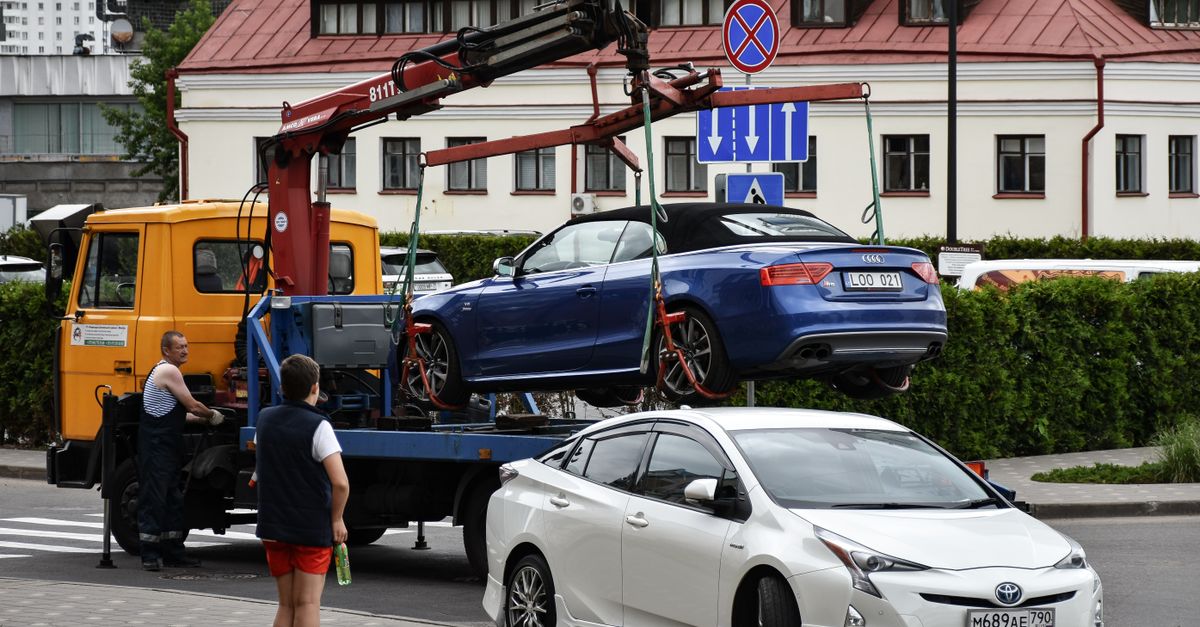
Knowing how to tow a car properly can save you money and protect your vehicle. Whether you're helping a friend or moving your own car, understanding the right process matters. This guide covers everything you need to know about towing safely and legally.
What Equipment Do You Need to Tow a Car?
Before you tow a car, gather the right equipment. You'll need a towing vehicle, a towing device, and safety gear. Let's break down what's essential.
A towing vehicle must have enough power. Check your owner's manual for towing capacity. Most pickup trucks and SUVs can tow, but sedans usually can't. Your vehicle needs a trailer hitch installed properly.
You have two main options for towing devices. A tow dolly lifts the front wheels off the ground. A flatbed trailer carries the entire car. Flatbeds cost more but cause less wear on the towed vehicle.
Safety equipment is non-negotiable. You'll need safety chains, reflective triangles, and a functioning trailer light system. Check that all lights work before you start.
How Do You Check Your Vehicle's Towing Capacity?
Towing beyond your vehicle's limit damages the engine and transmission. Finding your capacity takes just minutes.
Open your driver's side door and look at the sticker inside. It shows your vehicle's weight and towing limits. You can also check your owner's manual or the manufacturer's website. Write down this number — you'll need it.
Don't confuse gross vehicle weight rating (GVWR) with towing capacity. GVWR includes your vehicle, passengers, cargo, and the trailer. Your actual towing capacity is much lower. If your manual says 5,000 pounds towing capacity, that's your real limit.
Consider your trailer's weight too. A tow dolly weighs about 1,200-1,500 pounds. Add the car's weight to this. If the total exceeds your capacity, you can't safely tow.
What Are the Steps to Properly Hitch Your Vehicle?
Improper hitching causes accidents. Follow these steps carefully every time.
- Park both vehicles on level ground away from traffic.
- Turn off both engines completely.
- Attach the trailer hitch ball to the tow vehicle's receiver. The ball should be the right size for your trailer coupler.
- Secure the coupler nut tightly. It should not spin freely.
- Attach safety chains to both sides of the trailer. Cross them under the tongue to form an X.
- Connect chains to the tow vehicle's frame, not the bumper.
- Plug in the trailer lights. Test all lights before moving.
- Check that the trailer sits level. If it tilts down, you need a weight distribution hitch.
- Load the towed car onto the dolly or flatbed carefully.
- Secure the car with straps at all four corners.
Warning: Never rely on just the hitch ball. Safety chains prevent complete detachment if the hitch fails. This is your backup system.
How Do You Load a Car Onto a Tow Dolly Safely?
Loading a car wrong damages the suspension. Take your time with this step.
Position the dolly in front of the car you're towing. Make sure the ground is level and firm. Soft ground causes the dolly to sink unevenly.
Drive the car slowly onto the dolly. The front wheels should roll onto the dolly's wheel wells. Stop when the car is centered. The dolly should support the front wheels only — the rear wheels stay on the ground.
Secure the front wheels with the dolly's built-in straps. These prevent the wheels from turning during transport. Tighten them firmly but don't overtighten, which damages the wheels.
Connect safety straps from the car's frame to the dolly. Use at least four points of contact. Check that everything is tight before you drive.
What Safety Precautions Should You Take While Towing?
Safe towing requires constant attention. Your driving changes completely with a trailer behind you.
Drive slowly and smoothly. Speed limits apply to you, but you should go 5-10 mph slower than normal traffic. Smooth acceleration and braking prevent trailer sway. Sudden movements can cause jackknifing.
Increase your following distance. You need at least 8-10 car lengths between you and the vehicle ahead. Trailers take longer to stop. Give yourself extra time to brake.
Avoid sharp turns and lane changes. Wide turns prevent the trailer from hitting curbs or other vehicles. Use your turn signals early and turn slowly.
Check your mirrors constantly. You can't see directly behind you with a trailer. Adjust your side mirrors to see the trailer's sides. Look back frequently.
Never tow in severe weather. Rain, snow, and high winds make towing dangerous. If conditions worsen, pull over safely and wait.
Check your tire pressure before you tow. Under-inflated tires overheat and fail. Both vehicles need proper pressure. Check the manual for the correct PSI.
What Do Local Towing Laws Require?
Towing laws vary by state and county. Breaking them costs money and creates liability. Learn your local rules before you start.
Most states require safety chains on all trailers. Some require backup lights and reflectors. Many states have specific speed limits for vehicles towing trailers — often 55 mph maximum.
Check Towing Laws by State: Your Rights & Protection Guide 2026 for your specific location. Laws change, and you need current information.
Some states require permits for towing certain distances. Long-distance tows sometimes need special authorization. Contact your state's Department of Transportation before towing across state lines.
Liability insurance is critical. Your regular auto insurance might not cover towing. Check your policy or call your agent. Consider adding Towing Insurance Coverage Guide: What's Covered and What's Not for protection.
When Should You Call a Professional Tow Truck Instead?
Sometimes DIY towing isn't worth the risk. Professional tow truck operators have training and insurance you don't.
Call a professional if your vehicle doesn't have towing capacity. Exceeding limits causes engine damage costing thousands. If your car is stuck in a ditch, towing from the wrong angle causes more damage.
Long-distance towing is another reason to hire professionals. Driving hours with a trailer exhausts you and increases accident risk. Professional drivers do this daily and know the routes.
If the car is damaged or in an accident, use a professional. They have specialized equipment for damaged vehicles. They know how to prevent additional damage during transport.
Bad weather makes professional towing smart. Rain, snow, and fog increase accident risk. Professionals have weather-appropriate equipment and experience.
Need help finding a reliable provider? How to Choose a Reliable Tow Truck Company: Expert Guide 2026 walks you through the selection process. You can also find towing services near you through USA Tow Finder.
How Much Does Professional Towing Cost?
Knowing typical costs helps you budget. Towing prices vary widely by location and situation.
Local towing within 5-10 miles usually costs $75-$150. Long-distance towing runs $1-$3 per mile after the first few miles. Flatbed service costs more than wheel-lift but protects your car better.
Emergency towing (nights, weekends, holidays) adds $25-$100 to the bill. Accident recovery and winch services cost extra. Check How Much Does Towing Cost in 2025? Complete Pricing Guide for detailed pricing by service type.
Your insurance might cover some costs. AAA members get free towing up to 100 miles per incident. GEICO, Progressive, and State Farm offer roadside assistance options. Check your policy before paying out of pocket.
Prices from providers like AAA, GEICO, Progressive, and State Farm are current as of 2026. We're not affiliated with these companies.
What Should You Check Before and After Towing?
A pre-tow inspection prevents problems. A post-tow check confirms nothing broke.
Before You Tow — Inspection Checklist
- Verify towing vehicle's capacity matches your load
- Check all lights work on both vehicles
- Inspect hitch and coupler for damage
- Test safety chains for strength
- Confirm tire pressure on both vehicles
- Check brakes and steering work smoothly
- Ensure trailer is level when hitched
- Verify all straps and fasteners are tight
After You Arrive — Post-Tow Check
- Inspect the towed car for new damage
- Check tire pressure on the towed vehicle
- Look for leaks under both vehicles
- Test the towed car's lights and brakes
- Verify the engine starts and runs normally
- Check for suspension damage
- Document any new damage with photos
Keep records of everything. Photos before and after protect you legally. If damage occurred, file a claim immediately. See Towing Damage Claims: How to File and Win Your Case for guidance on claims.
What Common Towing Mistakes Should You Avoid?
Learning from others' mistakes saves you money and stress. Here are the biggest errors people make.
Overloading the trailer. People underestimate weight. The car plus dolly often exceeds capacity. Use a scale to verify actual weight.
Skipping safety chains. Some people think the hitch is enough. One accident proves otherwise. Always use both chains.
Ignoring tire condition. Old tires fail under towing stress. Replace worn tires before you tow. Check pressure at every stop.
Towing too fast. Trailers become unstable at high speeds. Stay 5-10 mph below the speed limit. Slow driving is safer driving.
Not checking local laws. Different areas have different rules. What's legal in one state might be illegal in another. Research your route.
Forgetting about wind. Trailers act like sails in strong wind. Side winds push trailers sideways. Slow down in windy conditions.
How Do You Handle Towing Emergencies?
Emergencies happen on the road. Knowing what to do keeps you safe.
If the trailer starts swaying: Don't brake suddenly. Ease off the accelerator gently. Let the trailer slow naturally. Once stable, pull over and check the load balance.
If you get a flat tire: Turn on hazard lights immediately. Slow down gradually. Pull off the road as far as possible. Change the tire or call for help.
If the hitch fails: The trailer separates from your vehicle. This is rare but serious. Safety chains should catch it. Pull over immediately. Call for professional help.
If the towed car breaks loose: Pull over safely. Check all straps. Tighten anything loose. If straps broke, don't continue. Call a tow truck.
If you overheat: Pull over in a safe place. Turn off the engine. Let it cool for at least 30 minutes. Never open the radiator cap when hot. Check coolant level when cool.
See What to Do When Your Car Breaks Down: Complete Safety Guide for detailed emergency procedures.
What Equipment Should You Carry While Towing?
Preparation prevents problems. Pack these items before you leave.
- Spare tire for your towing vehicle
- Jack and lug wrench
- Jumper cables
- Flashlight with extra batteries
- Reflective triangles or flares
- First aid kit
- Basic tools (wrench, pliers, screwdriver)
- Tire pressure gauge
- Rope or additional straps
- Cell phone charger
- Water and snacks
- Insurance and registration documents
- Contact numbers for roadside assistance
Check Emergency Roadside Kit Essentials: Must-Have Items for 2026 for a complete packing list.
Frequently Asked Questions About Towing a Car
People ask these questions constantly. Here are the answers you need.
Can I tow with a sedan? Most sedans can't safely tow. Check your owner's manual. If it doesn't mention towing, don't try it. Damage isn't worth it.
Do I need a special license to tow? Most states don't require one for personal towing. Commercial towing sometimes needs special licensing. Check your state's rules.
How fast can I drive while towing? Most states limit towing to 55 mph. Some allow 65 mph. Check local speed limit signs for towing vehicles.
What if I get stopped by police while towing? Be honest about what you're doing. Show your license and registration. If you're legal, there's no problem. Know your local laws beforehand.
Can I tow at night? Yes, but be extra careful. Visibility is poor. Use all lights. Drive slower than you would during the day.
What if the towed car has a manual transmission? Put it in neutral. Release the parking brake. Make sure it's secured so it doesn't roll.
Do I need a permit? Some states require permits for long-distance towing. Call your DMV or Department of Transportation to ask.
What if my insurance doesn't cover towing damage? You're liable. File a claim with the other party's insurance if they caused it. See Your Rights During a Tow: Consumer Protection Guide for your options.
Can I tow a car with the steering wheel locked? No. The front wheels must turn freely. Unlock the steering column before towing. This prevents suspension damage.
What's the difference between a dolly and a flatbed? A dolly lifts the front wheels only. A flatbed carries the entire car. Flatbeds cost more but cause less wear. See Types of Tow Trucks Explained: Flatbed vs Wheel-Lift vs Integrated for details.
When Is It Time to Call a Professional?
You've learned how to tow a car. But some situations need professionals. Damaged vehicles, long distances, and bad weather all call for expert help. Professionals have insurance covering damage. They have specialized equipment. They know local laws.
Trying to save money by towing yourself can cost thousands in vehicle damage. Insurance often won't cover DIY towing mishaps. One mistake ends up being more expensive than hiring a professional from the start.
Ready to find a reliable towing company? Visit USA Tow Finder to find towing services near you. Our directory connects you with vetted, professional operators in your area. Get quotes and compare services before you need them in an emergency.
Towing a car safely requires knowledge, equipment, and caution. You now understand the process from start to finish. Whether you tow yourself or hire professionals, you're prepared to make the right decision for your situation.
Frequently Asked Questions
Need Emergency Towing Services?
Don't wait when you're stranded. Get professional help now.
Find Professional Towing Services

Discussion (0)
Be the first to comment!
Share your experience or ask questions about towing services.