
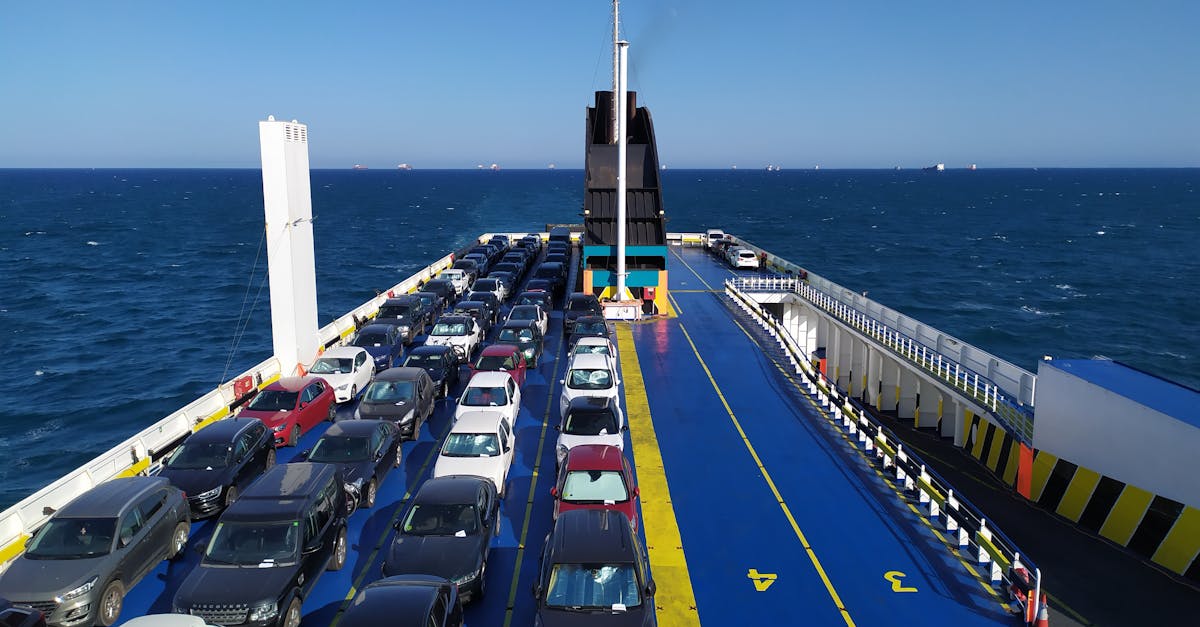
What Are Car Transport Services and How Do They Work?
Car transport services move your vehicle safely from one place to another. Professional transporters use specialized trucks designed to carry cars securely.
These services handle everything from loading to delivery. Your car stays protected throughout the journey using straps, chains, and padding.
Most companies offer both open and enclosed transport options. Open transport costs less but exposes your car to weather. Enclosed transport protects your vehicle completely.
The transport industry moves over 10 million vehicles annually in the United States. Professional car transport has become an essential service for relocations, vehicle purchases, and dealer inventory management. Whether you're moving across the country, buying a car from a distant seller, or need to transport a vehicle for business purposes, understanding how these services work helps you make informed decisions.
Finding Car Transport Services Near You: Where to Start
Start your search on USA Tow Finder to locate car transport services near you. The platform connects you with vetted local providers instantly.
Call 3-5 local companies and compare quotes. Ask about their experience, insurance coverage, and available equipment.
Check online reviews on Google and Yelp. Read what past customers say about delivery times and vehicle condition.
Verify that companies have proper licensing. Ask for proof of liability insurance before committing.
Many insurance companies like State Farm and Progressive offer transport recommendations. Contact your agent for trusted referrals in your area.
Don't limit yourself to just online searches. Ask friends, family, and colleagues who have recently moved if they can recommend transport companies they used. Personal referrals often lead to discovering reliable providers that may not have large online advertising budgets. Additionally, check the Better Business Bureau (BBB) for complaint histories and accreditation status. Companies with A+ ratings typically maintain higher service standards.
Types of Car Transport Methods: Which One Fits Your Needs?
Two main transport methods exist: open and enclosed. Each serves different purposes and budgets.
Open Transport
Open transport is the most common and affordable option. Your car rides on an open trailer exposed to weather and road conditions.
Costs range from $300-$900 for local moves. Long-distance moves run $1,000-$2,000 depending on distance.
This method works great for newer cars in good condition. It's perfect for budget-conscious movers.
Open transport typically accommodates 6-10 vehicles per trailer, which helps companies keep costs down. The trailers are designed with hydraulic lifts for safe loading and unloading. This method is ideal for standard sedans, coupes, and compact SUVs. Most vehicles transported via open method arrive in excellent condition, even when exposed to the elements.
Enclosed Transport
Enclosed transport places your car inside a protective trailer. Your vehicle stays shielded from weather, dirt, and debris.
Expect to pay $600-$1,500 for local moves. Long-distance enclosed transport costs $1,500-$3,500.
Choose enclosed transport for vintage cars, luxury vehicles, or high-value automobiles. It's worth the extra cost for special vehicles.
Enclosed trailers typically carry 2-4 vehicles and provide climate-controlled environments. Some premium services include white-glove handling with protective coverings for each vehicle. Enclosed transport is the industry standard for vehicles worth over $50,000, exotic imports, and any vehicle with sentimental value. The extra protection justifies the higher cost for discerning vehicle owners.
How Much Does Car Transport Service Cost in 2026?
Car transport pricing depends on several factors. Distance is the biggest cost driver.
Local transport (under 100 miles) costs $300-$1,500. Regional moves (100-500 miles) run $800-$2,000. Long-distance transport (500+ miles) averages $1,500-$3,500.
Vehicle type matters too. Compact cars cost less to transport. Oversized vehicles like SUVs and trucks cost more.
Seasonal demand affects pricing. Summer months are busier and more expensive. Winter rates drop significantly.
For detailed pricing information, check our guide on how much towing costs in 2025 for comparison data.
Get multiple quotes and never pay upfront. Most reputable companies accept payment on delivery.
Additional cost factors include fuel surcharges, which fluctuate with gas prices, and pickup/delivery location accessibility. Rural areas may incur additional fees due to longer driving distances from major highways. Vehicle condition also impacts pricing—non-running vehicles require special equipment and cost 15-25% more. Time-sensitive expedited transport can cost 30-50% more than standard service. Always ask for a detailed breakdown of all fees before committing to a transport company.
Step-by-Step: How to Book Car Transport Services
- Gather vehicle information: Know your car's make, model, year, and current condition. Have the VIN ready.
- Determine your transport needs: Decide between open and enclosed transport. Know your pickup and delivery dates.
- Search for local providers: Use USA Tow Finder or call local towing companies for options near you.
- Request detailed quotes: Get pricing that includes all fees. Ask about insurance coverage and delivery timeframes.
- Verify credentials: Check licensing with your state's transportation department. Request proof of insurance.
- Review the contract: Read all terms carefully. Understand pickup and delivery windows (usually 24-48 hours).
- Take photos: Document your car's condition before transport. Take pictures of any existing damage.
- Prepare your vehicle: Remove personal items and secure loose parts. Fill the gas tank halfway.
- Confirm pickup details: Call 24 hours before to confirm the exact pickup time and location.
- Inspect on delivery: Check your car thoroughly when it arrives. Compare it to your before photos.
Understanding Car Transport Insurance and Protection
Insurance protects your vehicle during transport. All legitimate car transport companies carry liability coverage.
Most providers include basic coverage in their rates. This covers damage from accidents or negligence during transport.
Ask about coverage limits. Standard limits are usually $50,000-$100,000 per vehicle.
Your personal auto insurance might cover transport damage. Call your insurance agent before booking.
Some companies offer additional coverage for an extra fee. This is worth considering for valuable vehicles.
For more information, read our detailed guide on towing insurance coverage to understand what's protected.
Understanding the difference between liability coverage and cargo coverage is crucial. Liability covers damage the transport company causes to other vehicles or property. Cargo coverage protects your specific vehicle. Most standard policies include cargo coverage up to declared vehicle value. For vehicles exceeding $100,000, request additional declared value coverage. This ensures your vehicle is fully protected regardless of its actual market value. Keep all insurance documentation and your transport contract together for easy reference if claims become necessary.
Choosing the Right Car Transport Company: Key Questions to Ask
Not all transport companies are equal. Ask these questions before hiring:
- How long have you been in business? (Look for 5+ years of experience.)
- Are you licensed and insured? (Verify with your state.)
- What's your damage rate? (Reputable companies report this openly.)
- Do you offer door-to-door service? (This is more convenient than terminal-to-terminal.)
- What's included in the quote? (Ask about all fees upfront.)
- Can I track my vehicle? (Modern companies offer real-time GPS tracking.)
- What happens if delivery is delayed? (Get this in writing.)
- Do you require a deposit? (Legitimate companies never ask for full payment upfront.)
- What is your customer service availability? (24/7 support is ideal for emergencies.)
- Do you have experience with vehicles like mine? (Specialized knowledge matters for unique vehicles.)
Read our guide on choosing a reliable tow truck company for more vetting strategies.
Special Situations: Transporting Unique Vehicles
Some vehicles need extra care during transport. Special equipment and expertise cost more.
Luxury and Exotic Cars
High-value vehicles require enclosed transport with climate control. Costs run $2,000-$5,000+ for long distances.
Choose companies with experience handling luxury brands. Ask for references from previous luxury car clients.
Classic and Vintage Vehicles
Antique cars need gentle handling and protection from weather. Enclosed transport with padding is essential.
Expect to pay premium rates for specialized vintage transport. Your investment is worth protecting.
Motorcycles and ATVs
These vehicles require specialized equipment and tie-down systems. Standard car transporters often can't handle them safely.
Look for companies experienced with motorcycle towing and transport.
RVs and Recreational Vehicles
Large RVs need specialized heavy-duty transport. Regular car transporters can't handle their size and weight.
Search for companies offering recreational vehicle transport services.
Electric and Hybrid Vehicles
Electric vehicles require special handling to prevent battery damage during transport. Some companies have specific protocols for EVs to ensure charging systems remain undamaged. Ask if the transport company has experience with your specific EV model, as some require special precautions during loading and unloading.
Preparing Your Vehicle for Transport: Essential Steps
Proper preparation ensures your car arrives in perfect condition.
- Wash your car thoroughly before pickup. This helps identify existing damage.
- Remove personal items completely. Transport companies aren't responsible for belongings inside.
- Check tire pressure and condition. Flat tires can't be transported.
- Disable alarms and automatic locks. These can activate during loading.
- Top off windshield washer fluid. Leave the tank half-full for safety.
- Secure or remove loose exterior parts. Antennas, spoilers, and trim pieces can get damaged.
- Take detailed photos and video. Document your car's condition from all angles.
- Check all lights and wipers. Ensure everything is functioning before transport.
- Deflate tires slightly if transport will exceed two weeks. This prevents flat-spotting.
- Disconnect the battery if the vehicle won't be driven for extended periods. This prevents battery drain.
For a complete checklist, see our guide on preparing your vehicle for towing.
Red Flags: Warning Signs of Unreliable Transport Companies
Warning: Avoid these red flags when choosing a transport company.
- No verifiable business address: Legitimate companies have physical offices you can visit.
- Demands full payment upfront: Reputable companies accept payment on delivery only.
- No insurance documentation: Always verify proof of liability coverage.
- Extremely low quotes: If the price seems too good to be true, it probably is.
- No written contract: Everything must be in writing with clear terms.
- Poor communication: Companies should respond quickly to your questions.
- No customer reviews: Check Google, Yelp, and the Better Business Bureau.
- Reluctance to provide references: Established companies are happy to share past client testimonials.
- Pressure to book immediately: Trustworthy companies allow time for decision-making.
- Vague pricing or hidden fees: Everything should be transparent and itemized.
Car Transport vs. Driving Yourself: Cost and Time Comparison
Sometimes hiring transport makes more sense than driving yourself.
Long-distance driving costs add up quickly. Gas, hotels, meals, and wear-and-tear average $0.67 per mile.
A 1,000-mile move costs about $670 in driving expenses alone. Professional transport might cost less.
Transport saves time for busy people. You don't spend 15+ hours driving across the country.
High-mileage vehicles suffer from long drives. Your car's resale value drops with extra miles.
Older or mechanical vehicles shouldn't be driven long distances. Professional transport is safer for unreliable cars.
For detailed comparisons, read our article on when to call a tow truck versus DIY solutions.
Consider safety factors beyond just cost. Long drives increase fatigue and accident risk. Professional drivers are trained and insured. They handle unexpected breakdowns professionally. For moves over 500 miles, professional transport typically costs less than the combination of driving expenses, lost productivity, and potential vehicle wear and tear.
Technology and Tracking: Modern Car Transport Features
Today's transport companies use advanced technology to protect your vehicle.
GPS tracking lets you monitor your car in real-time. Most companies provide a tracking number and app access.
Photo documentation happens at pickup and delivery. This creates a record of your vehicle's condition.
Automated notifications alert you about pickup and delivery times. You'll know exactly when to expect your car.
Many providers offer online payment and digital contracts. This makes the process faster and more transparent.
Learn more about industry innovations in our guide on towing technology trends for 2026.
Advanced telematics systems now monitor vehicle temperature, humidity, and movement during transport. Some premium services include live video feeds and real-time condition monitoring. Mobile apps allow you to receive updates and communicate directly with drivers. Digital signatures and blockchain-based contracts are becoming standard in the industry, providing tamper-proof documentation of your transport agreement and vehicle condition.
FAQs About Car Transport Services
Q: How long does car transport usually take?
A: Local transport takes 1-3 days. Regional moves take 3-7 days. Long-distance transport takes 7-14 days depending on route and weather.
Q: Can I ride along during transport?
A: No. Insurance prohibits passengers in transport vehicles. You must arrange your own travel to the destination.
Q: What if my car gets damaged during transport?
A: Document all damage with photos. Report it to the company immediately. File a claim within the timeframe specified in your contract (usually 30 days).
Q: Do I need to be present at pickup and delivery?
A: Yes. Someone with valid ID must be present to sign the bill of lading at both pickup and delivery.
Q: Can I transport a non-running vehicle?
A: Yes. Most companies handle non-running cars. You'll pay extra for specialized loading equipment.
Q: What's the difference between car transport and towing?
A: Transport moves cars long distances using specialized trailers. Towing is short-distance movement after accidents or breakdowns. Read our article on types of tow trucks to understand the difference.
Q: Is car transport covered by my auto insurance?
A: Usually not. Check your policy or call your agent. You may need to purchase additional transport coverage.
Q: How far in advance should I book transport?
A: Book 2-4 weeks ahead for best availability. Summer months require longer lead times.
Q: Are there size or weight restrictions?
A: Most trailers fit standard vehicles. Oversized vehicles (lifted trucks, wide bodies) may need special equipment and cost more.
Q: What happens if I need to cancel or reschedule?
A: Check your contract for cancellation policies. Most companies allow one free reschedule. Late cancellations may incur fees.
Getting Started: Your Next Steps
Now you know how car transport services work. It's time to find the right provider for your move.
Start by visiting USA Tow Finder to search for car transport services near you. Enter your location and get instant quotes from local companies.
Call at least three providers and ask the questions covered in this guide. Compare pricing, insurance, and experience.
Check their credentials and read customer reviews. Verify licensing with your state's transportation authority.
Book your transport and prepare your vehicle using the steps outlined above. Take photos and document everything.
Track your shipment and inspect your car carefully when it arrives. You're now equipped to handle professional car transport with confidence.
Prices from providers like AAA, GEICO, Progressive, and State Farm are current as of 2026. We're not affiliated with these companies.
Frequently Asked Questions
Need Emergency Towing Services?
Don't wait when you're stranded. Get professional help now.
Find Car Transport Services Near You


Discussion (0)
Be the first to comment!
Share your experience or ask questions about towing services.