
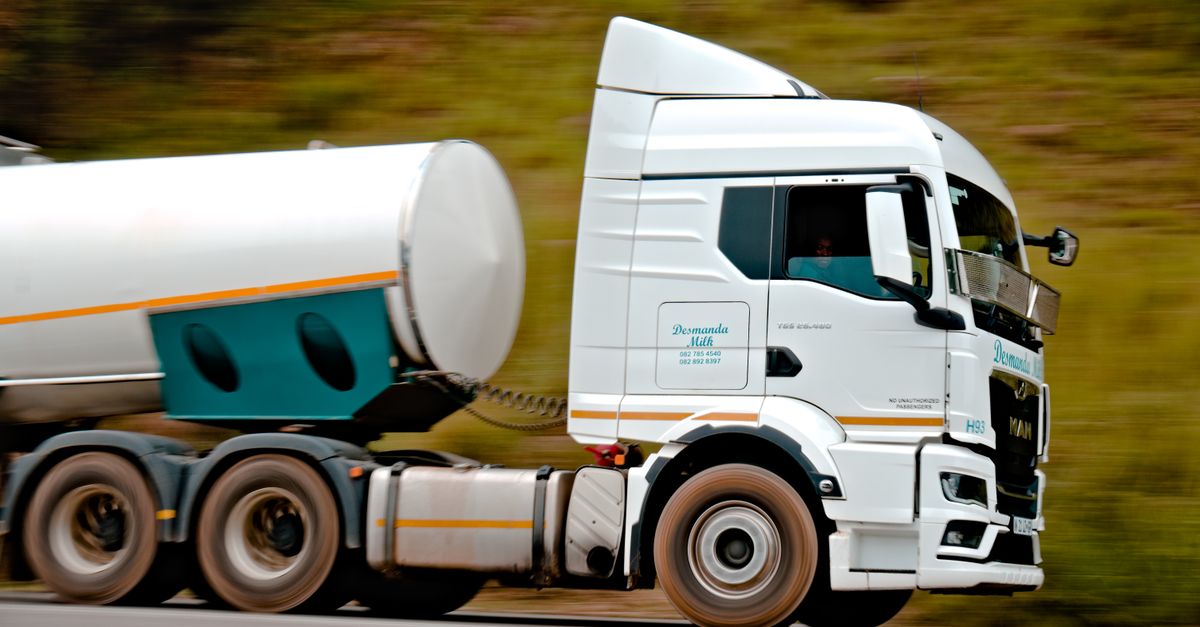
What Is Fuel Delivery and How Does It Work?
Fuel delivery is a roadside service that brings gasoline to your car when you've run out of gas. A trained technician arrives with a fuel container, adds gas to your tank, and gets you back on the road. It's one of the most common roadside emergencies.
The process is straightforward. You call the service, give your location, and wait safely in your vehicle. The technician arrives within 30–60 minutes in most areas. They'll add enough fuel to let you reach a gas station.
This service saves you from being stranded and keeps you safe. You don't have to walk for help or leave your car unattended on a busy highway.
How Much Does Fuel Delivery Cost?
Fuel delivery pricing varies by location and provider. Here's what you'll typically pay:
- Basic fuel delivery: $30–$50 in urban areas
- Rural areas: $50–$100 (longer distance)
- Fuel cost: Usually $3–$8 per gallon (higher than pump prices)
- AAA membership: Often includes free or discounted fuel delivery
- Insurance roadside coverage: Usually covered at no extra cost
Major providers like GEICO, Progressive, and State Farm often include fuel delivery in their roadside assistance plans. Always ask about coverage before you need it.
Pro tip: Membership programs save money if you run out of gas more than once per year. Compare costs before choosing a provider.
Where Can You Find Fuel Delivery Near Me?
Multiple options exist for finding fuel delivery in your area. Here's where to look:
Membership-Based Services
- AAA: Included with most memberships. Call 1-800-AAA-HELP or use their mobile app.
- Better World Club: Eco-friendly roadside service with fuel delivery.
- Allstate Motor Club: Roadside assistance with fuel delivery included.
Insurance Provider Services
Check your auto insurance policy. GEICO, Progressive, State Farm, and Allstate usually include roadside assistance. Call your agent or use their mobile app to request fuel delivery.
Local Fuel Delivery Companies
Search "fuel delivery near me" or "emergency fuel service [your city]" online. Local providers often arrive faster in rural areas. Read reviews on Google and Yelp before calling.
Roadside Assistance Apps
- Roadtrippers: Shows nearby services and real-time help
- GasBuddy: Includes roadside assistance options
- Honk: Direct connection to local tow and fuel services
Keep a list of these numbers in your phone or car. You won't have time to search when you're stranded.
What Are Your Best Fuel Delivery Options?
Choosing the right service depends on your budget and needs. Here's how to compare:
AAA Membership
AAA is the most popular choice for fuel delivery. Membership costs $50–$150 per year. You get unlimited fuel delivery calls plus towing and lockout service. Their app makes requesting help quick and easy.
Insurance Roadside Coverage
Many auto insurance policies include roadside assistance at no extra charge. Call your insurance company first—you might already have coverage. Prices from providers like GEICO, Progressive, and State Farm are current as of 2026. We're not affiliated with these companies.
Pay-As-You-Go Services
Local fuel delivery companies charge per call. Costs run $30–$100 depending on distance. This works if you rarely run out of gas, but membership plans are cheaper if you need help twice yearly.
Roadside Assistance Apps
Apps like Honk connect you directly to local providers. You pay per service. Prices are transparent upfront. This is good for one-time emergencies in unfamiliar areas.
Related: Learn more about roadside assistance coverage and what it includes.
How to Request Fuel Delivery: Step-by-Step
Here's exactly what to do when you run out of gas:
- Pull over safely. Move to the shoulder away from traffic. Turn on hazard lights.
- Call for help. Use AAA, your insurance company, or a local fuel delivery service.
- Provide your location. Give your exact address, highway mile marker, or intersection. Use your phone's GPS if needed.
- Describe your vehicle. Tell them the color, make, model, and license plate number.
- Ask for arrival time. Confirm how long they'll take. Ask for a callback number.
- Stay in your car. Keep doors locked and hazard lights on. Don't stand on the roadside.
- Confirm the technician's identity. Ask for their name and company before they approach. Check their ID.
- Provide payment. Have your credit card or membership information ready.
- Get a receipt. Keep proof of service for insurance or membership records.
Safety first: Never get out of your car to flag down help on a busy highway. Let the service find you.
Why You Might Need Fuel Delivery
Running out of gas happens for many reasons. Here's what you should know:
Common Causes
- Faulty fuel gauge showing incorrect readings
- Unexpected traffic delays using more fuel
- Forgetting to refuel before a long trip
- Gas station closures in rural areas
- Vehicle breakdown leaving you stranded
- Fuel pump failure preventing normal refueling
Why It's Dangerous to Walk for Help
Walking along a highway puts you at serious risk. Cars travel at high speeds. Drivers might not see you. Night visibility is especially poor. Fuel delivery keeps you safe inside your vehicle.
Related: Read about what to do when your car breaks down for more safety tips.
Prevention: How to Avoid Running Out of Gas
The best fuel delivery is the one you never need. Here's how to stay safe:
Fuel Tank Best Practices
- Never let your tank drop below 1/4 full. Refuel when you hit the quarter-tank mark.
- Check your gauge regularly. Glance at it at every stop light.
- Know your fuel economy. Calculate how far your car travels per gallon. Plan stops accordingly.
- Plan long trips carefully. Map gas stations on your route before leaving.
- Account for traffic. Heavy congestion burns fuel faster than highway driving.
- Service your fuel system yearly. A clogged fuel filter reduces efficiency.
Technology Tools
Modern cars show fuel range on the dashboard. Many vehicles estimate miles remaining based on current driving patterns. Use this feature to plan refueling stops. Smartphone apps like GasBuddy find nearby stations and show current prices.
Emergency Fuel Containers
Keep a portable fuel container in your trunk for emergencies. These hold 1–5 gallons. Use them only if you can safely reach a gas station. Never drive long distances on fuel from a container—it's not safe for your fuel system.
Fuel Delivery vs. Other Roadside Services
Sometimes you need more than just fuel. Here's how fuel delivery compares to other roadside help:
| Service | Cost | When to Use | Typical Wait Time |
|---|---|---|---|
| Fuel Delivery | $30–$100 | Out of gas | 30–60 min |
| Towing | $75–$150+ | Engine failure, accident | 20–45 min |
| Lockout Service | $50–$150 | Keys locked in car | 15–30 min |
| Battery Service | $50–$100 | Dead battery, jump start | 20–45 min |
| Tire Service | $75–$200 | Flat tire, blowout | 30–60 min |
Many roadside plans cover all these services. Check your membership or insurance to see what's included.
Related: Learn about emergency tire repair and other common roadside issues.
What to Do If You're Waiting for Fuel Delivery
Staying safe while you wait is crucial. Follow these steps:
Inside Your Vehicle
- Keep doors locked and windows up
- Stay inside the car with hazard lights on
- Keep your phone charged and nearby
- Don't accept help from strangers
- Stay alert and aware of your surroundings
Communication
- Call the fuel delivery service if they're delayed beyond the estimated time
- Ask for a callback number so they can reach you
- Text your location to a trusted friend or family member
- Share your live location with someone you trust
Comfort and Supplies
Keep water, snacks, and a blanket in your car. Having entertainment like a book or podcast helps pass the time. A phone charger is essential for safety.
Related: Check out emergency roadside kit essentials for a complete list of items to keep in your car.
Insurance and Fuel Delivery Coverage
Your auto insurance might already cover fuel delivery. Here's what you need to know:
What's Usually Covered
Most roadside assistance plans include fuel delivery at no extra cost. GEICO, Progressive, and State Farm typically include it. Check your policy documents or call your agent to confirm.
Coverage Limits
Some policies cover fuel delivery only within a certain distance from home. Others limit how many calls per year. Know your specific coverage before you need it.
How to File a Claim
- Call your insurance company's roadside assistance number
- Provide your policy number and vehicle information
- Describe your situation clearly
- Follow their instructions for payment or reimbursement
- Keep receipts for your records
Related: Read about towing insurance coverage to understand what's included in your plan.
Finding Reliable Fuel Delivery Services
Not all fuel delivery companies are equal. Here's how to find trustworthy providers:
Check Credentials
- Verify they're licensed and insured
- Confirm they operate in your area
- Look for professional certifications
- Check if they're affiliated with AAA or major insurers
Read Reviews
Search Google and Yelp for customer feedback. Look for patterns in reviews. If many people mention slow response times, choose another company. Positive reviews mentioning quick arrival and professional service are good signs.
Ask About Pricing
Call ahead and ask for a quote. Reputable companies give transparent pricing. Avoid services that won't quote prices or seem evasive about costs.
Check Response Times
Ask how quickly they typically arrive. In cities, expect 30–45 minutes. Rural areas might take longer. Confirm they operate during your travel times.
Related: Get tips on choosing a reliable tow truck company for additional guidance on vetting service providers.
Fuel Delivery in Different Situations
Your fuel delivery needs might vary depending on where you are. Here's what to expect:
Urban and Suburban Areas
Cities and suburbs have many fuel delivery options. Response times are fast—usually 30–45 minutes. Prices are lower because distances are shorter. You'll have multiple providers to choose from.
Rural and Remote Areas
Rural areas have fewer providers. Response times can stretch to 1–2 hours. Prices are higher because technicians travel longer distances. Plan ahead by mapping gas stations on long rural drives.
Highways and Interstates
Highway fuel delivery might take longer if you're between exits. Give the service your exact mile marker. Stay in your car with hazard lights on. Avoid flagging down other drivers.
Nighttime Situations
Night fuel delivery is available but might take longer. Visibility is poor, making it harder for technicians to find you. Use your phone's GPS to pinpoint your location precisely. Keep your interior light on so the technician can identify your car.
Frequently Asked Questions About Fuel Delivery
Here are answers to common questions about fuel delivery services:
How Much Fuel Will They Bring?
Most services bring 2–5 gallons of fuel. This is enough to reach the nearest gas station. If you need more, ask when you call. Some companies charge extra for larger amounts.
What Type of Fuel Do They Deliver?
They deliver regular unleaded gasoline by default. Tell them if your car needs premium or diesel. Some services can deliver diesel, but not all. Confirm fuel type when you call.
Will They Accept My Payment Method?
Most services accept credit cards and cash. Ask about payment options when you call. AAA members pay nothing if they have fuel delivery coverage. Insurance plans usually cover the service at no cost.
What If I'm in an Unsafe Location?
Tell the fuel delivery service about safety concerns. They can advise whether to wait in your car or move to a safer spot nearby. Never leave your vehicle on an active highway lane.
Can They Help If My Car Won't Start?
Fuel delivery alone won't help if your engine won't start. You'll need towing or battery service. Call a full-service roadside provider that offers multiple services.
How Do I Prevent Future Fuel Emergencies?
Refuel when your tank hits 1/4 full. Plan long trips with gas stops mapped out. Check your fuel gauge regularly. Keep your fuel gauge and fuel system maintained yearly.
Is Fuel Delivery Covered by Roadside Assistance?
Most roadside assistance plans include fuel delivery. Check your policy or call your insurance company. Some plans limit coverage to a certain number of calls per year.
What Should I Do While Waiting for Help?
Stay inside your locked car. Keep hazard lights on. Stay alert and don't accept help from strangers. Keep your phone charged and nearby. Text your location to someone you trust.
How Long Does Fuel Delivery Usually Take?
Expect 30–60 minutes in most situations. Urban areas are faster. Rural areas take longer. Ask for an estimated arrival time when you call.
Can I Request Fuel Delivery Through an App?
Yes. Apps like Honk, Roadtrippers, and GasBuddy offer fuel delivery requests. You can also call AAA directly or your insurance company's roadside assistance line.
Final Tips for Fuel Delivery Success
Running out of gas is stressful. These final tips help you handle it smoothly:
- Keep emergency numbers saved. Program AAA and your insurance company's roadside number in your phone.
- Know your car's fuel economy. Calculate how far you can travel on a tank. Plan accordingly.
- Stay calm and patient. Fuel delivery technicians work as fast as they can. Stress doesn't speed them up.
- Be courteous and clear. Give precise location information. Clear communication means faster service.
- Verify the technician's identity. Always check ID before letting anyone near your car.
- Keep receipts. Document all services for insurance claims or membership records.
- Learn from the experience. After fuel delivery, commit to refueling at 1/4 tank to avoid repeating this.
Find trusted towing and roadside service providers on USA Tow Finder. They can connect you with fuel delivery services in your area.
Prices from providers like AAA, GEICO, Progressive, and State Farm are current as of 2026. We're not affiliated with these companies.
Frequently Asked Questions
Need Emergency Towing Services?
Don't wait when you're stranded. Get professional help now.
Find Fuel Delivery Services Near You


Discussion (0)
Be the first to comment!
Share your experience or ask questions about towing services.