

Your car breaks down at midnight on a lonely highway. You're stressed, tired, and unsure who to call. This is exactly when 24/7 emergency towing networks become your lifeline. These services never sleep, and neither do the drivers who staff them.
After-hours towing isn't just about availability—it's about speed, reliability, and knowing someone's got your back when normal business hours have ended. Let's explore how these networks work and how to access them when you need help most.
How Do 24/7 Emergency Towing Networks Actually Work?
24/7 emergency towing networks operate through a centralized dispatch system. When you call or use a mobile app, your request reaches a dispatcher who's working around the clock.
The dispatcher connects you with the nearest available tow truck operator. Modern networks use GPS technology to identify your location instantly. This means response times are often faster at night because fewer calls come in.
Here's the key: these networks maintain relationships with independent tow operators across every region. They're not always company-owned fleets. Instead, they're networks of vetted providers who agree to answer calls 24/7 in exchange for steady business.
Networks like AAA, Progressive Roadside Assistance, and GEICO's roadside programs operate this way. They handle millions of calls yearly, and many operate their own dispatch centers staffed 24 hours a day, 365 days a year. In 2026, AAA alone handled over 35 million roadside assistance calls, with approximately 40% occurring outside standard business hours. This demonstrates the critical importance of round-the-clock towing infrastructure.
The dispatch system works by analyzing real-time data about operator locations, vehicle types, and current workload. Advanced algorithms determine which operator can reach you fastest while also considering factors like weather conditions, road closures, and traffic patterns. This technological approach has reduced average response times by approximately 15% over the past five years.
What Services Are Available After Hours?
You might think after-hours towing means only emergency towing. Actually, 24/7 networks offer much more. Here's what's typically available:
Core After-Hours Services
- Emergency towing: Your car won't start or is undrivable
- Lockout assistance: You're locked out of your vehicle
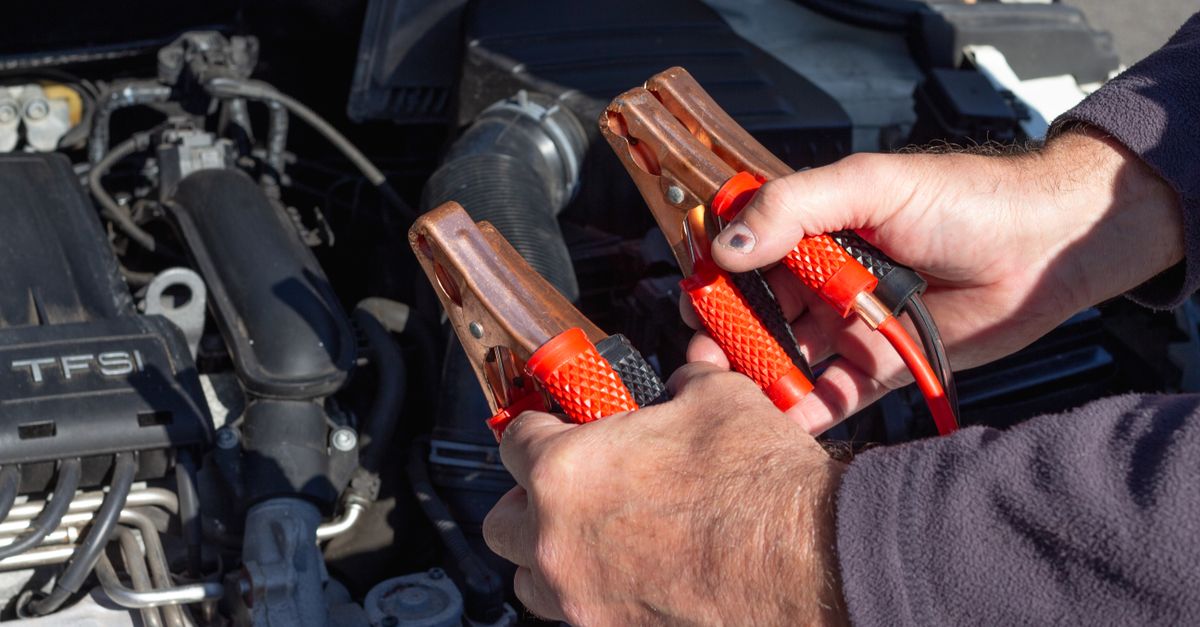
- Jump-starts: Dead battery? They'll jump you in minutes
- Fuel delivery: Ran out of gas? Help's on the way
- Tire changes: Flat tire in the dark? They'll swap it
- Winch-outs: Stuck in a ditch or off-road
- Long-distance towing: Multi-state tows when needed
- Accident recovery: Post-collision towing and transport
- Motorcycle towing: Specialized equipment for bikes
- Heavy equipment towing: Trailers and specialty vehicles
- Fluid delivery: Coolant, oil, or windshield washer fluid
- Door unlocking: Non-destructive entry services
Most 24/7 networks charge the same price for these services regardless of time. But towing itself—moving your car to a shop—often costs more after hours. We'll cover pricing in detail next. According to industry data, lockout services represent approximately 22% of all after-hours calls, making them one of the most frequently requested services outside business hours.
Why Do After-Hours Towing Costs More?
Let's be honest: late-night towing isn't cheap. You'll pay a premium, and there's a good reason.
Tow truck operators working midnight shifts expect higher pay. They're away from families, working dangerous roads, often in poor weather. Insurance costs are higher for night operations. Dispatch systems run 24/7, which means staffing costs never stop.
Here's what to expect for pricing:
| Service Type | Daytime Cost | After-Hours Cost | Increase |
|---|---|---|---|
| Local tow (under 10 miles) | $75-$120 | $95-$180 | 20-50% |
| Medium distance (10-50 miles) | $150-$250 | $200-$350 | 25-40% |
| Long distance (50+ miles) | $300-$500 | $400-$700 | 30-40% |
| Jump-start or lockout | $50-$75 | $75-$100 | 20-33% |
These numbers reflect national averages for 2026. Your actual costs depend on location, vehicle type, and distance. Maximum towing rates by state vary significantly, so check your local regulations.
Pro tip: If you belong to AAA, Progressive, or similar programs, your membership often covers basic towing at no extra cost, even after hours. Check your benefits before paying out of pocket. Additionally, some credit card companies offer roadside assistance as a cardholder benefit—call your card issuer to verify your coverage before incurring out-of-pocket expenses.
How to Access 24/7 Emergency Towing Networks
You have several ways to reach emergency towing at any hour. Here's how to do it right:
Method 1: Call a Towing Network Directly
- Keep a list of local tow services in your phone (add numbers now, not during emergencies)
- Call their main number—most have after-hours routing built in
- Provide your location, vehicle description, and the problem
- Confirm the dispatcher's estimated arrival time
- Stay in your car with doors locked until the tow truck arrives
Method 2: Use Your Insurance Company's Network
Most insurance companies include roadside assistance. Call the number on your insurance card. They'll dispatch a pre-vetted provider from their network.
Benefits: They often cover the cost. You won't worry about upfront payment. The provider is already approved by your insurer.
Method 3: Use a Mobile App
Apps like AAA Mobile, Uber Roadside Assistance (in some regions), and company-specific apps let you request help instantly. GPS automatically sends your location. Payment is usually pre-loaded, so no cash changes hands.
Method 4: Call 911 for Dangerous Situations
If you're on a highway with heavy traffic, injured, or in immediate danger, call 911 first. They'll dispatch police to secure the scene, then arrange towing. Police-ordered tows follow specific procedures—learn more about police-ordered tows here.
What to Do While Waiting for After-Hours Towing
The hardest part is the wait. Here's how to stay safe and sane:
Safety First
- Stay inside your locked car if you're on a roadway
- Turn on hazard lights and dome light
- Put reflective triangles behind your car if you have them
- Move away from traffic if you're safe doing so
- Never accept help from strangers
- Keep your doors locked until you verify the tow operator's credentials
- Request to see the operator's ID and company badge before allowing access to your vehicle
Communication
- Get the dispatcher's name and reference number
- Ask for an estimated arrival time
- Request a callback if they're running late
- Share your location with a trusted contact
- Keep your phone charged (car charger is essential)
- Stay on the line with dispatch if you feel unsafe
Documentation
- Take photos of your vehicle's condition before towing
- Note the tow truck's license plate and company name
- Get a receipt with itemized charges
- Keep receipts for insurance claims if applicable
- Record the operator's name and employee ID number
- Note the exact time of pickup and any damage observations
For more detailed safety steps, read our complete safety guide when your car breaks down.
Choosing Between Major 24/7 Towing Networks
Not all 24/7 networks are equal. Here's how major providers compare:
AAA (American Automobile Association)
AAA is the largest roadside assistance network in North America. Members get free towing (usually 100 miles) plus lockout and jump-start service. Premium memberships include longer tows. Response times average 30-45 minutes in urban areas, longer in rural regions. AAA membership costs range from $60 annually for basic membership to $150+ for premium tiers with enhanced benefits.
Insurance Company Networks
GEICO, Progressive, and State Farm all operate 24/7 roadside assistance for members. These are often included free with your policy. Coverage varies—check your policy details. Prices are current as of 2026. We're not affiliated with these companies. Many insurers now offer optional roadside assistance add-ons for $10-$30 per year if not included in your base policy.
Independent Local Networks
Many cities have local towing networks that operate 24/7. These often provide faster response times because they're smaller and more localized. The trade-off? Less brand recognition and sometimes higher prices. However, local networks often have deeper knowledge of regional road conditions and can provide personalized service.
App-Based Services
Newer app-based services like Roadside Dispatch connect you directly with nearby operators. They're transparent about pricing upfront. No membership required. The downside? Coverage gaps exist in rural areas. These services typically charge per-use fees ranging from $50-$150 depending on the service requested.
Red Flags: Predatory After-Hours Towing to Avoid
Warning: Some operators exploit vulnerable drivers during late-night emergencies. Watch for these red flags:
- Unsolicited offers: A tow truck pulls up offering help you didn't call for—avoid them
- Cash-only demands: Legitimate services accept cards; cash-only operators often overcharge
- Vague pricing: They won't quote a price before towing—this is illegal in many states
- Pressure to use their shop: They're paid commission for steering you to specific repair shops
- No receipt offered: Legitimate operators always provide itemized receipts
- Excessive charges: If the bill is triple your estimate, you may have been scammed
- Aggressive behavior: Threatening language or intimidation tactics are never acceptable
- Reluctance to show credentials: Licensed operators always carry proper identification
For detailed information on protecting yourself, learn how to spot and fight predatory towing.
How Technology Is Improving 24/7 Towing Networks
Modern 24/7 towing networks use cutting-edge technology. GPS tracking shows you exactly where your tow truck is. Real-time updates keep you informed. Mobile apps let you manage your entire experience from your phone.
Artificial intelligence now predicts where breakdowns will happen, positioning tow trucks strategically. Machine learning improves dispatch efficiency, reducing wait times. Some networks now offer video calls with dispatchers so they can see your situation. Predictive analytics can anticipate high-demand periods and pre-position resources accordingly, reducing response times by up to 20% in peak periods.
These advances mean faster response, better service, and more transparency. Discover more about towing technology trends for 2026.
Building Your Personal After-Hours Towing Plan
Don't wait for an emergency to think about towing. Here's how to prepare now:
Step 1: Assess Your Current Coverage
Check your insurance policy for roadside assistance. Many policies include it automatically. If not, add it—usually costs $15-$30 yearly.
Step 2: Join a Network or Membership Program
AAA membership is $60-$150 yearly depending on tier. It covers towing plus other benefits like fuel discounts and hotel savings. For many drivers, it pays for itself quickly.
Step 3: Save Numbers in Your Phone
Add your insurance company's roadside number, AAA's number, and 2-3 local tow services. Label them clearly. Add a note with your policy number so you're ready when stress hits.
Step 4: Keep Emergency Supplies in Your Car
Jumper cables, a flashlight, reflective triangles, and a phone charger are essential. Read our complete emergency roadside kit guide for a full checklist.
Step 5: Understand Your Rights
Know your state's towing laws. Many states cap towing rates. Some require written estimates before towing. Check your state's towing laws and fee limits here.
Common Mistakes to Avoid with After-Hours Towing
Learning from others' mistakes can save you time, money, and frustration. Here are the most common errors drivers make when using 24/7 towing services:
Mistake 1: Not having contact information saved. When you're stressed and your phone battery is low, searching for a tow service number is the last thing you want to do. Save numbers now while you're thinking clearly.
Mistake 2: Failing to verify coverage before needing it. Don't assume your insurance covers towing. Call your agent and confirm the exact coverage limits, distance limitations, and any deductibles. Some policies only cover 5-10 miles.
Mistake 3: Accepting the first tow truck that arrives. If you didn't call them, don't let them tow you. Unsolicited operators often charge significantly more and may take your car to expensive shops that pay them commissions.
Mistake 4: Not documenting the vehicle's condition. Take photos and videos before the tow truck arrives. This protects you if damage occurs during transport. Get the operator's signature confirming the vehicle's condition.
Mistake 5: Paying cash without getting a receipt. Always insist on a detailed, itemized receipt. This is your only proof of what you paid for and protects you if you need to dispute charges later.
Mistake 6: Choosing the tow operator's recommended repair shop. You have the legal right to choose where your car goes. Don't let the operator pressure you. They often receive kickbacks from certain shops, which can result in unnecessary repairs.
Mistake 7: Ignoring warning signs of predatory towing. If something feels off—vague pricing, aggressive behavior, reluctance to show credentials—trust your instinct and call a different service.
Common Questions About 24/7 Emergency Towing
Let's address what drivers actually ask about after-hours towing:
Q: Will a 24/7 towing service come to my home if my car breaks down there?
A: Yes, absolutely. Many after-hours calls happen in driveways. They'll tow from home to a repair shop. Some networks charge differently for residential versus roadside calls, so ask when you call.
Q: Can I choose which repair shop the tow truck takes my car to?
A: Legally, you have the right to choose. Tell the dispatcher which shop you prefer before they arrive. If they pressure you toward a specific shop, that's a red flag.
Q: Do I have to pay immediately after the tow?
A: Not necessarily. If you used your insurance or a membership program, they handle payment. If you're paying out of pocket, most operators accept cards now, though some still want cash. Ask about payment methods when you call.
Q: What if I'm towed to a shop that's closed when I arrive?
A: The tow operator should drop your car in a secure location. Ask about this before they tow. Some shops have after-hours bays; others use secured lots. Get the exact location in writing.
Q: Are after-hours tow operators licensed and insured?
A: They should be. Legitimate networks vet their operators. Ask the dispatcher about the operator's license and insurance. This is your protection if something goes wrong.
Q: How long will I wait for a 24/7 tow truck?
A: Urban areas typically see response times of 30-60 minutes. Rural areas might take 90 minutes or longer. Ask for an estimate when you call. If they're running significantly late, they should call you.
Q: What if my car is damaged during the tow?
A: Document everything with photos before and after. Get a written report from the operator. File a damage claim with the towing company immediately. Learn how to file and win towing damage claims.
Q: Can I dispute a towing charge if it seems too high?
A: Yes. Most states allow disputes. Send a formal letter with your receipt and documentation. Request an itemized breakdown. Many operators will negotiate. Follow our step-by-step guide to dispute towing charges.
Q: Do all 24/7 networks have the same coverage area?
A: No. AAA covers most of North America but has gaps in some rural areas. Insurance networks vary by state. Always confirm coverage before you need it. Ask your provider specifically about your location.
Q: What happens if I call a 24/7 service but don't actually need a tow?
A: If you're a member, usually nothing. Your membership covers dispatch. If you're paying out of pocket and cancel before the truck arrives, you might not be charged. But once they arrive, cancellation fees apply—typically $50-$100. So think twice before calling.
Q: Are there any discounts available for frequent users or multiple vehicles?
A: Yes. Many networks offer discounts for multi-vehicle memberships or household plans. Some provide discounts for customers who bundle roadside assistance with other services. Contact your provider directly to ask about available discounts.
Q: Can I transfer my membership if I move to a different state?
A: Most memberships are valid nationwide, including AAA. However, coverage details may vary by state due to different regulations. Contact your provider to confirm coverage in your new location.
Final Thoughts: Why 24/7 Towing Networks Matter
Breakdowns don't happen during business hours. They happen at 2 AM on a dark road. They happen on holidays when most shops are closed. They happen when you're alone, tired, and scared.
24/7 emergency towing networks exist for exactly these moments. They're your safety net. Having a plan—knowing who to call, understanding your coverage, keeping numbers saved—transforms a crisis into a manageable situation.
The peace of mind is worth every penny. Whether you choose AAA, your insurance company's roadside service, or a local network, the key is choosing now, before you need it.
Ready to find a trusted towing provider in your area? Find towing services near you on USA Tow Finder, and add that number to your phone today. Your future self will thank you.
Frequently Asked Questions
Need Emergency Towing Services?
Don't wait when you're stranded. Get professional help now.
Find 24/7 Towing Services Near You
Discussion (0)
Be the first to comment!
Share your experience or ask questions about towing services.