

Getting locked out of your car, home, or business is stressful. A 24 hour locksmith can help at any time. Whether it's midnight or dawn, these professionals unlock doors and replace keys when you need them most.
This guide walks you through everything you need to know about emergency locksmith services. You'll learn costs, how to find trustworthy providers, and how to prepare for a lockout.
What Does a 24 Hour Locksmith Do?
A 24 hour locksmith handles lock and key emergencies around the clock. They respond to calls at any hour—weekends, holidays, middle of the night. Their main services include unlocking cars, homes, and businesses when you've lost your keys or gotten locked out.
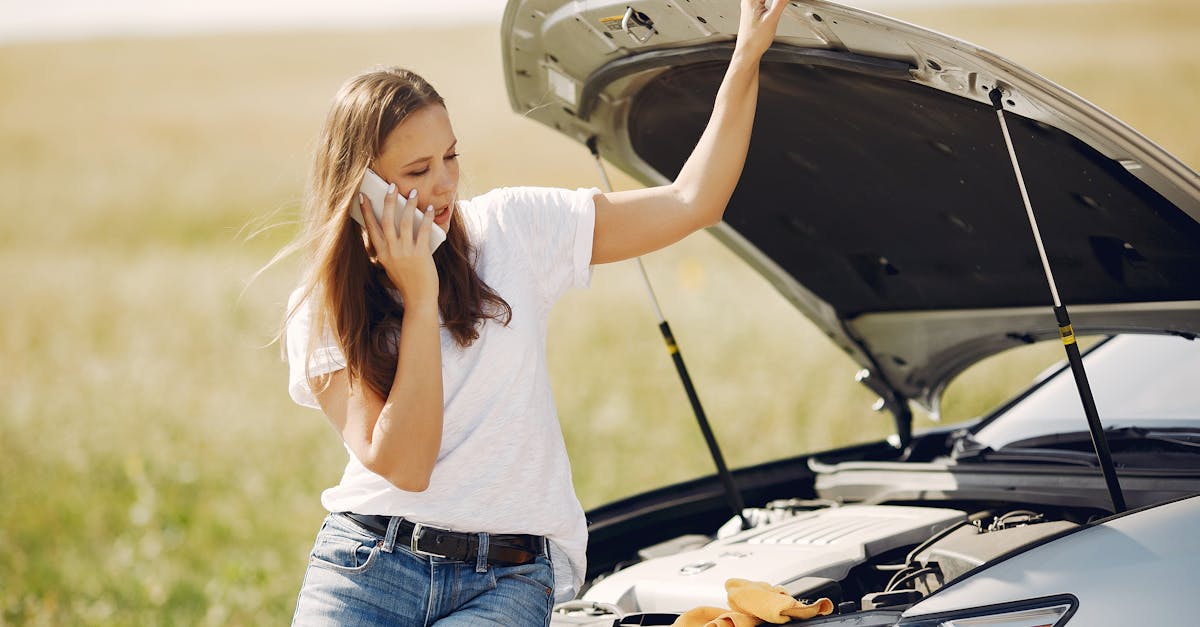
Beyond unlocking, they also rekey locks, replace damaged locks, install new security systems, and make duplicate keys. Some locksmiths offer roadside assistance too. If you're stranded with car trouble, they can unlock your vehicle safely without damaging it.
Additional services offered by many 24 hour locksmiths include lock repair, master key system installation, access control programming, and emergency safe opening. Many locksmiths also provide consultation on security upgrades and can recommend the best locks for your specific needs and budget.
Why You Might Need Emergency Locksmith Services
Lockouts happen more often than you'd think. You might leave keys inside your car while running errands. Kids accidentally lock doors from the inside. Keys break in locks or get lost entirely.
Home lockouts are common too. You forget your house keys at work or lose them during travel. Renters need locks changed after moving out. Broken locks won't turn, leaving you stuck outside.
Business owners face lock emergencies when employees lose master keys or security systems malfunction. These situations demand immediate help—waiting until morning isn't an option when you need access now.
Additional reasons to call an emergency locksmith include lockouts after a break-in attempt, lost keys during travel or relocation, broken key fragments stuck in locks, malfunctioning electronic locks, and situations where you need to change locks quickly for security reasons. Weather-related emergencies, such as being locked out in extreme heat or cold, also warrant immediate professional assistance.
How Much Does a 24 Hour Locksmith Cost?
Locksmith pricing varies widely. Basic car unlocking typically costs $75–$150. Home lockouts run $100–$200. Business emergency calls can reach $200–$300 or more.
Emergency fees apply when you call outside regular business hours. Nighttime, weekend, and holiday calls add $50–$100 to the base price. Remote locations increase costs because the locksmith travels further.
The type of lock matters too. Simple pin tumbler locks cost less to open. High-security locks, smart locks, and deadbolts cost more. If the locksmith must drill out a lock, expect higher charges.
| Service Type | Typical Cost Range |
|---|---|
| Car Unlock (Daytime) | $75–$150 |
| Car Unlock (24 Hour Emergency) | $125–$250 |
| Home Lockout | $100–$200 |
| Lock Rekeying | $50–$150 per lock |
| Lock Replacement | $150–$300 |
| Duplicate Key | $5–$20 |
| Smart Lock Installation | $200–$500 |
| Safe Opening | $150–$400 |
Always ask for a quote before the work starts. Reputable locksmiths provide pricing upfront. Avoid providers who won't quote over the phone or demand payment before service.
Additional cost factors include travel distance, time of day, complexity of the lock mechanism, and whether special tools or drilling is required. Some locksmiths offer package deals for multiple locks or services. Ask about discounts if you need multiple services performed during the same visit.
How to Find a Reliable 24 Hour Locksmith
Finding a trustworthy locksmith takes effort. Start by asking friends and family for recommendations. They'll share real experiences with local providers. Check online reviews on Google, Yelp, and the Better Business Bureau.
Look for locksmiths licensed in your state. Licensing requirements vary by location. Some states require bonding and insurance. Ask to see credentials before hiring. Real locksmiths carry ID and provide license numbers.
Verify they're insured and bonded. This protects you if something goes wrong during the lockout call. Ask about their response time. A good 24 hour locksmith arrives within 30–60 minutes in most areas.
Use USA Tow Finder to locate trusted service providers in your area. Read recent customer reviews and compare ratings. Check if they offer guarantees on their work.
Questions to Ask Before Hiring a Locksmith
Don't hire the first locksmith you call. Ask these questions to protect yourself:
- Are you licensed and insured in this state?
- What's your response time to my location?
- Can you provide a quote before starting work?
- Do you guarantee your work?
- What payment methods do you accept?
- Will you provide a receipt with itemized charges?
- Are there additional fees for nights, weekends, or holidays?
- How long have you been in business?
- Can you provide references from recent customers?
- What's your policy if damage occurs during the unlock?
- Do you offer warranty or service guarantees?
- Are you a member of professional locksmith associations?
A legitimate locksmith answers all these questions clearly. They don't pressure you or demand payment upfront. They explain what they'll do and why it costs what it costs.
What to Expect During a 24 Hour Locksmith Call
When the locksmith arrives, they'll assess your situation. For a car lockout, they examine the door and lock type. For home lockouts, they check the door frame and lock mechanism.
They'll explain their approach before starting. Opening a simple lock takes 10–30 minutes. Complex locks or damaged mechanisms take longer. Most jobs finish within an hour.
The locksmith uses specialized tools to open locks without damage. Quality professionals avoid drilling unless absolutely necessary. They'll make duplicate keys while they're there if you ask.
Before paying, verify the final charges match the quote. Request an itemized receipt. Ask about warranty or guarantees on the work. Reputable locksmiths stand behind their service.
During the service, the locksmith may ask for proof of ownership or residency. This is standard practice and protects both parties. They'll explain what tools they're using and why. Professional locksmiths keep their work area clean and minimize disruption to your property.
Car Lockout vs Home Lockout: Key Differences
Car lockouts and home lockouts require different approaches. Car locks are more delicate. Improper techniques damage the door frame or electrical systems. Professional locksmiths use non-destructive methods to protect your vehicle.
Home lockouts often involve deadbolts and security systems. If you own the home, a locksmith can drill the lock if needed. Renters should contact their landlord first. Some leases require landlord approval before changing locks.
Car lockouts cost less because they're simpler. Home lockouts sometimes require lock replacement if the mechanism is damaged. Business lockouts may involve multiple doors and security systems, driving costs higher.
Car locks typically use pin tumbler mechanisms that are quick to open with proper tools. Home locks may include deadbolts, mortise locks, and electronic systems requiring different expertise. Business locations often have master key systems and access control, requiring specialized knowledge and taking longer to resolve.
Emergency Locksmith Red Flags to Avoid
Warning: Watch out for these locksmith scams. Some fake locksmiths target desperate people in emergency situations. They charge outrageous fees or damage your property intentionally to charge more.
Never hire a locksmith who won't provide a license number or refuses to quote. Avoid providers with vague names like "Quick Lock Service" or "Local Locksmith." Search their business name online. Legitimate companies have websites and customer reviews.
Don't pay cash upfront or hand over large sums. Use credit cards or checks so you have a paper trail. If charges seem unreasonable, ask for an itemized receipt and contact your credit card company.
Verify credentials on the spot. Ask for their state license and insurance card. Check the Better Business Bureau before paying. Real locksmiths have established reputations and verifiable histories.
Additional red flags include locksmiths who arrive in unmarked vehicles, won't provide written estimates, pressure you to make quick decisions, or quote prices significantly lower than competitors. Be wary of locksmiths who offer to drill your lock immediately without exploring non-destructive options first. Legitimate professionals always prioritize methods that preserve your property.
How to Prevent Lockouts Before They Happen
Prevention is cheaper than calling a 24 hour locksmith. Keep spare keys in safe places. Give a trusted friend or family member a copy. Store a spare at home if you lock yourself out of your car.
Never leave keys in your car, even for a moment. Lock your doors immediately when you exit. Teach kids not to lock doors from inside. Use key chains that alert you if you're leaving keys behind.
For homes, install a keypad lock or smart lock. You can unlock doors with a code if you forget keys. Keep your phone charged so you can call for help. Add a locksmith's number to your phone contacts.
Maintain your locks regularly. Clean and lubricate them annually. Replace worn keys before they break. Have locks inspected if they stick or turn hard. Well-maintained locks are less likely to fail in emergencies.
Additional prevention strategies include using a key organizer or designated key holder, taking photos of your keys for reference, establishing a routine check before leaving home or car, and considering tracking devices for keys. For vehicles, crack windows slightly when safe, use steering wheel locks, and avoid leaving valuables visible inside.
Insurance and Locksmith Services
Some insurance policies cover locksmith emergencies. Check your homeowner's, renter's, or auto insurance policy. Many policies include emergency locksmith services as part of roadside assistance.
AAA members often get discounted locksmith services. GEICO, Progressive, and State Farm may offer coverage for emergency lockouts. Call your insurance company before hiring a locksmith to confirm coverage.
Prices from providers like AAA, GEICO, Progressive, and State Farm are current as of 2026. We're not affiliated with these companies.
If your policy covers locksmith services, ask the provider if they work with your insurer. Some locksmiths bill insurance directly, saving you money upfront. Keep receipts and documentation for insurance claims.
Many insurance policies offer coverage limits ranging from $50 to $500 for locksmith services. Some require deductibles before coverage applies. Contact your insurance agent to understand your specific coverage, any limitations, and approved locksmith networks in your area.
When to Call a Locksmith vs Other Options
A lockout doesn't always require a locksmith. If you're locked out of your car and have roadside assistance, call them first. AAA, insurance roadside services, and roadside apps often provide free or discounted unlocking.
For home lockouts, contact your landlord if you rent. They may have a master key. Friends or family with a spare key can help you avoid locksmith fees. Wait until morning for non-emergency situations.
Call a 24 hour locksmith when you need immediate access and have no other options. Emergencies include being locked out of your car in bad weather, losing keys to a business, or needing access to your home at night.
Learn more about what to do when your car breaks down for other emergency situations you might face on the road.
Smart Lock Technology and Modern Solutions
Smart locks are changing how people handle lockouts. Keypad locks let you unlock doors with a code. Bluetooth locks open with your phone. Biometric locks use fingerprints. These technologies reduce lockout emergencies.
If you install a smart lock, keep the manual override key safe. Smart locks can fail if batteries die or connections drop. Have a backup plan if your technology stops working.
Some locksmiths specialize in smart lock installation and troubleshooting. They can reprogram locks if you forget codes or lose devices. Ask if they service the brand you're considering before buying.
Learn about the latest towing technology trends and how modern solutions are improving roadside assistance across the industry.
Frequently Asked Questions About 24 Hour Locksmiths
How quickly can a 24 hour locksmith arrive? Response times vary by location and demand. Urban areas typically see arrival within 30–45 minutes. Rural areas may take 1–2 hours. Always ask for estimated arrival when you call.
What if the locksmith damages my car or home? Licensed and insured locksmiths carry liability insurance. If damage occurs, file a claim with their insurance. Keep photos and get written damage estimates. Avoid locksmiths who won't provide insurance information.
Can I get a locksmith on holidays? Yes, 24 hour locksmiths work holidays and weekends. Expect higher fees on these days. Some charge $50–$100 extra for holiday emergency calls. Budget accordingly if you anticipate needing help during holidays.
Do I need to provide ID to a locksmith? Yes. Locksmiths should verify you own or rent the property. They need proof that you're authorized to access the space. This protects you both from liability issues.
What if I can't pay the full amount immediately? Ask about payment plans before work starts. Some locksmiths accept credit cards, checks, or payment arrangements. Never agree to work without discussing payment terms upfront.
Can a locksmith help if my key is broken in the lock? Yes, locksmiths have specialized tools to extract broken key fragments. This typically costs $75–$150 depending on how deeply the key is lodged and the lock type.
How do I know if a locksmith is legitimate? Check for state licensing, business registration, insurance, and customer reviews. Call your local Better Business Bureau and verify their credentials independently before hiring.
For related information on handling roadside emergencies, check out our guide on emergency roadside kit essentials to stay prepared for any situation.
Taking Action: Your Next Steps
Don't wait for a lockout to find a locksmith. Research providers in your area now. Save contact information for licensed, insured locksmiths. Ask friends for recommendations. Read online reviews and check credentials.
Add locksmith contact numbers to your phone. Keep spare keys in safe places. Install a smart lock if you want extra security. Maintain your locks to prevent failures.
If you're locked out now, call a local 24 hour locksmith immediately. Ask questions, get a quote, and verify credentials before paying. Keep receipts for insurance claims if applicable.
Need help finding other trusted service providers? Find towing services and emergency assistance near you through USA Tow Finder. We connect you with reliable professionals for all your roadside emergencies.
Frequently Asked Questions
Need Emergency Towing Services?
Don't wait when you're stranded. Get professional help now.
Find trusted service providers near you
Discussion (0)
Be the first to comment!
Share your experience or ask questions about towing services.