
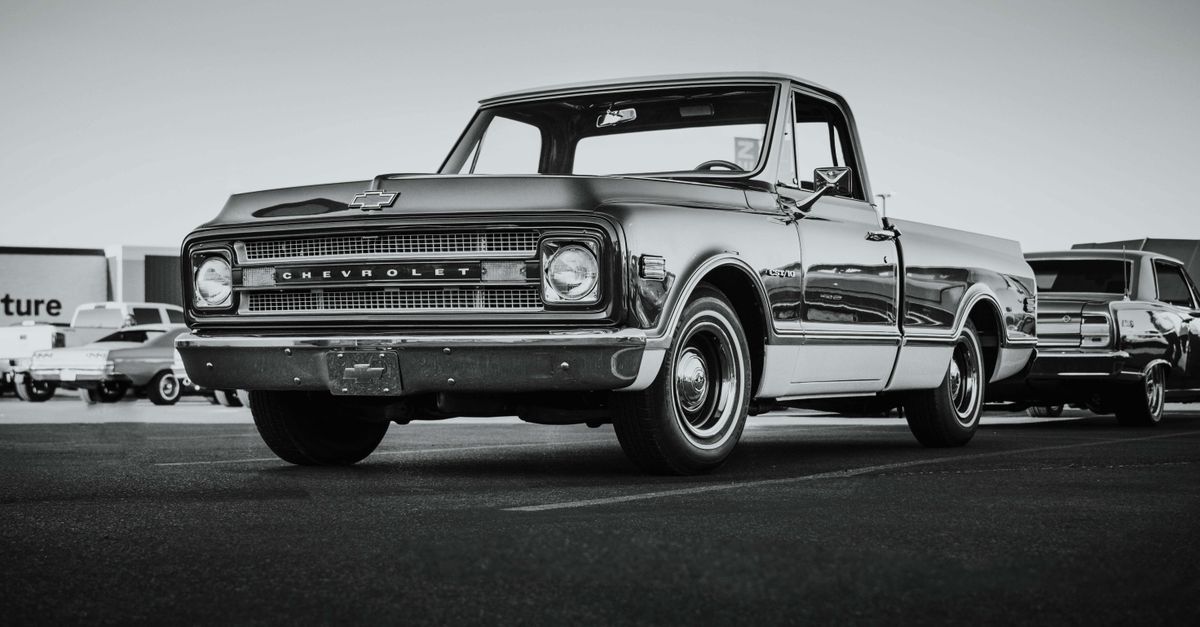
Moving a car in Las Vegas doesn't have to be stressful. Whether you're relocating to Sin City or shipping your vehicle across the country, knowing your options saves time and money.
Las Vegas sits in the desert with unique transport challenges. Heat, long highways, and busy urban roads mean you need a solid plan. This guide walks you through everything you need to know about car transport in Las Vegas.
What Is Car Transport and Why Do People Use It in Las Vegas?
Car transport means hiring a professional to move your vehicle from one location to another. People use it when they relocate, buy cars online, or need to move multiple vehicles at once.
Las Vegas sees lots of transport activity. Tourists rent cars. Locals move in and out. Dealers ship inventory constantly. You might need transport if you're relocating for work, buying a car sight-unseen, or moving after retirement.
The city's location makes it a hub. It's about 5 hours from California, 6 hours from Arizona, and sits on major interstates. This means routes are well-established and competitive pricing exists.
How Much Does Car Transport Cost in Las Vegas?
Pricing depends on distance, vehicle type, and carrier choice. Local moves cost less than long-distance ones.
Local Las Vegas Transport Rates
Moving within Las Vegas typically runs $400–$800. This covers short distances like airport pickups, dealer lots, or neighborhood relocations. The shorter the distance, the cheaper the service.
Regional Transport (Nevada and Neighboring States)
Moving to nearby cities like Reno, Phoenix, or Southern California costs $600–$1,500. These are popular routes with competitive pricing. Reno moves average $800–$1,100. Phoenix runs $700–$1,200.
Cross-Country Transport
Shipping to the East Coast or Pacific Northwest runs $1,500–$2,800. Cross-country moves take 5–7 days. Prices vary by season and fuel costs.
For detailed pricing breakdowns, check our guide on how much towing costs in 2025.
What Types of Car Transport Services Are Available?
Las Vegas has multiple transport options. Choose based on budget, timeline, and vehicle value.
Open Carrier Transport
Your car rides on an open trailer with other vehicles. It's the cheapest option at $400–$1,200 for long-distance moves. Your car is exposed to weather and road debris. It's fine for daily drivers but risky for luxury or classic cars.
Enclosed Carrier Transport
Your vehicle goes inside a covered trailer. Costs run $800–$2,500+ depending on distance. It protects against weather, dirt, and damage. Best for expensive, vintage, or exotic cars.
Door-to-Door Service
The carrier picks up from your home and delivers to your new address. Most Las Vegas providers offer this. Adds convenience but may cost slightly more than terminal-to-terminal delivery.
Terminal-to-Terminal Service
You drop off at a facility and pick up at another. This is cheaper but requires more effort. Good if you're flexible on timing and location.
Learn more about transport equipment in our article on types of tow trucks and trailers.
Understanding Nevada's Car Transport Regulations
Nevada has specific rules for vehicle transport. Knowing them protects you legally and financially.
Nevada Towing and Transport Laws
Nevada law requires transport providers to carry liability insurance. They must have a valid business license from the Nevada Secretary of State. Rates aren't capped statewide like some states, so competition matters.
The Nevada Transportation Authority oversees commercial carriers. Always ask for proof of licensing and insurance before booking.
Your Consumer Rights
You have the right to a written quote before transport begins. The company must disclose all fees upfront. You can dispute charges if the service doesn't match the agreement.
For complete details, read Nevada towing laws and your consumer rights.
Insurance Requirements
Verify the provider has cargo insurance. Standard policies cover up to $15,000–$30,000 per vehicle. For expensive cars, ask about additional coverage or bring your own transport insurance rider.
Check what towing insurance covers to understand your protection.
How to Choose a Reliable Car Transport Provider in Las Vegas
Finding the right provider takes research but saves headaches later. Follow these steps to vet companies.
- Check licensing and insurance. Visit the Nevada Secretary of State website. Verify the company has an active business license. Ask for proof of liability insurance (minimum $500,000 recommended).
- Read online reviews. Check Google, Trustpilot, and the Better Business Bureau. Look for patterns. One bad review might be unfair. Five similar complaints signal a real problem.
- Get multiple quotes. Contact at least three providers. Compare pricing, timelines, and included services. Don't pick based on price alone.
- Ask about experience. How long have they operated? Do they handle your vehicle type? Experience matters for specialty cars.
- Verify the truck and driver. Ask for photos of the carrier that will move your car. Request the driver's name and contact info. Legitimate companies provide this.
- Request a written contract. Never pay cash or wire money to an unknown company. Use credit card or certified check. The contract should list pickup/delivery dates, costs, and insurance details.
- Check for complaints. Search the Nevada Attorney General's consumer complaint database. See if the company has unresolved issues.
Our guide on choosing a reliable tow truck company has more vetting strategies.
Step-by-Step: How to Prepare Your Car for Transport
Proper prep prevents damage and delays. Follow these steps before the carrier arrives.
- Clean your car inside and out. Wash the exterior so you can spot new damage later. Remove personal items from the interior. Transport companies aren't responsible for theft of belongings.
- Check fluid levels. Top off gas, oil, and coolant. The carrier will run the engine during loading. Low fluids can cause damage.
- Document the condition. Take photos from multiple angles. Note existing dents, scratches, or rust. This protects you if damage claims arise.
- Disable alarms. Car alarms can drain the battery during transport. Disable them or provide the code to the driver.
- Remove custom parts. Take off roof racks, bike carriers, or spoilers. Transport companies don't cover these. Loose items can damage the car or others.
- Check tire pressure. Ensure tires are properly inflated. Underinflated tires can overheat during long transport.
- Empty the trunk and glove box. Remove valuables, documents, and tools. The company isn't responsible for missing items.
- Arrange a meeting location. Confirm pickup time and place with the driver. Be present when loading and unloading to inspect the car.
Read our full guide on preparing your vehicle for towing and transport.
What Are the Best Routes for Car Transport From Las Vegas?
Las Vegas sits on major highways. Route choice affects timing and cost.
East Coast Routes (I-40 Corridor)
Most carriers use Interstate 40 through Arizona, New Mexico, Texas, and into the Southeast. This route is well-maintained and heavily traveled. Expect 4–5 days to Florida, 3–4 days to Georgia.
California Routes (I-15)
Interstate 15 connects Las Vegas to Los Angeles, San Francisco, and San Diego. This is the shortest route for West Coast moves. Expect 8–12 hours to LA, 12–16 hours to SF.
Pacific Northwest Routes (I-80)
Moving to Oregon, Washington, or Idaho? I-80 through Nevada and California heads north. It's longer but direct. Expect 18–24 hours to Seattle.
Mountain Routes (I-70)
For Denver, Salt Lake City, or points east, I-70 through Utah is common. Winter weather can cause delays November–March. Spring and fall are optimal.
Seasonal Considerations for Las Vegas Car Transport
Las Vegas weather and seasons affect transport timing and costs.
Summer Heat (June–August)
Temperatures exceed 110°F. Carriers may limit transport due to heat damage risk. Prices spike 10–15% higher. Paint and interiors can fade or warp. Schedule transport early morning or late evening if possible.
Winter (December–February)
Las Vegas winters are mild, but mountain passes get snow. I-70 and I-80 routes may close temporarily. Plan extra time. Prices drop 10–20% due to lower demand.
Spring and Fall (March–May, September–November)
These are ideal seasons. Weather is mild. Roads are clear. Prices are moderate. Book early as these seasons fill up quickly.
Learn more in our article on seasonal towing and transport trends.
Local Las Vegas Transport Providers and How to Find Them
Las Vegas has numerous transport companies. National carriers also service the area.
National Carriers
Companies like uShip, AutoShip, and Montway operate nationwide. They're reliable but may charge premium prices. Insurance partners like AAA, GEICO, Progressive, and State Farm can refer carriers. Prices from these providers are current as of 2026. We're not affiliated with these companies.
Local Las Vegas Companies
Search Google for "car transport Las Vegas" or "vehicle shipping near me." Check the Better Business Bureau for Nevada-based operators. Local companies often offer competitive rates and faster service.
Using USA Tow Finder
Find towing and transport services near you on USA Tow Finder. Filter by service type and read verified reviews from local customers.
Common Questions About Car Transport in Las Vegas
Can I transport a non-running car?
Yes. Non-running vehicles can be transported on flatbeds. Expect to pay 10–20% more. The carrier must use a winch to load the car safely. Ensure brakes work or the car is in neutral.
How long does transport take?
Local moves take 1–3 days. Regional transport takes 2–4 days. Cross-country takes 5–10 days depending on distance and stops.
What if my car gets damaged?
Document damage with photos immediately. Contact the transport company within 24 hours. File a claim with proof. Most insurances cover minor damage. Major damage may require legal action. Read about how to file towing and transport damage claims.
Do I need to be present for pickup and delivery?
You should be present to inspect the car before and after. This protects you from false damage claims. If you can't be there, authorize someone you trust.
Can I track my car during transport?
Many modern carriers use GPS tracking. Ask if this is available. Some provide real-time updates via app or email.
Money-Saving Tips for Las Vegas Car Transport
Smart choices reduce transport costs without sacrificing quality.
Book Off-Season
Transport in winter or early spring saves 15–30%. Avoid summer and holiday peaks.
Choose Open Carrier
Open trailers cost 40–50% less than enclosed. Fine for standard vehicles but risky for luxury cars.
Use Terminal-to-Terminal Service
Dropping off and picking up at facilities saves 10–20% versus door-to-door.
Combine Your Move
If others are shipping on the same route, you might share a carrier and split costs.
Get Multiple Quotes
Always compare at least three companies. Prices vary widely for the same service.
Ask About Discounts
Some carriers offer discounts for military, AAA members, or advance bookings. Ask directly.
Frequently Asked Questions About Car Transport in Las Vegas
How do I know if a transport company is legitimate? Check Nevada Secretary of State licensing, verify insurance, read online reviews, and ask for references. Legitimate companies provide documentation without hesitation.
What's the difference between open and enclosed transport? Open carriers expose your car to weather and debris but cost 40–50% less. Enclosed carriers protect your vehicle but cost more. Choose based on your car's value and condition.
Can I ship a car with personal items inside? Most companies prohibit this for insurance reasons. Empty the vehicle completely. Pack valuables separately.
What if the transport company loses my car? This is extremely rare. All carriers carry insurance. File a claim immediately with documentation. Legal action may be necessary for recovery.
How much should I tip the driver? Tipping isn't required but appreciated. $20–$50 is standard for professional service. Tip based on how well they handled your car.
Can I change my pickup or delivery date after booking? Most companies allow changes with notice. Fees may apply depending on how late you request changes. Check your contract terms.
What happens if my car is damaged during transport? Document damage with photos and file a claim within 24 hours. The company's insurance should cover it. Keep all documentation for potential legal claims.
Is car transport insurance included in the quote? Basic cargo insurance is usually included (up to $15,000–$30,000). Verify this in your quote. For expensive vehicles, purchase additional coverage.
How far in advance should I book transport? Book 2–4 weeks ahead for flexibility. During peak season (summer), book 4–6 weeks early. Last-minute bookings may cost 20–40% more.
What if I need to cancel my transport order? Cancellation policies vary. Most companies allow free cancellation 7–14 days before pickup. Later cancellations incur fees. Check your contract.
Next Steps: Getting Your Car Transported in Las Vegas
Ready to move your vehicle? Start by gathering quotes from multiple providers. Use the steps above to vet companies and compare pricing.
Document your car's condition now with photos. Prepare it according to our checklist. Confirm all details in writing before the carrier arrives.
Get a free towing and transport quote today to see current rates in your area. Compare options and book with confidence knowing you've done your homework.
Las Vegas car transport doesn't have to be complicated. With the right provider and preparation, your vehicle arrives safely and on schedule.
Frequently Asked Questions
Need Emergency Towing Services?
Don't wait when you're stranded. Get professional help now.
Find Trusted Transport Providers

Discussion (0)
Be the first to comment!
Share your experience or ask questions about towing services.