

A dead car battery can ruin your day. You're stuck on the side of the road, and you need help fast. Here's the good news: a jump starter lets you get moving again without waiting for roadside assistance.
Jump starters are portable power banks for your car. They pack enough punch to revive a dead battery in minutes. Whether you're stranded at home or miles away, knowing how to charge your car battery with a jump starter is a game-changer.
What Is a Jump Starter and How Does It Work?
A jump starter is a portable battery device that delivers electrical current to your dead car battery. Think of it as a backup power source you keep in your trunk.
Modern jump starters use lithium-ion technology. They store electrical charge and release it when you need it. Unlike traditional jumper cables (which need another car), a portable jump starter works solo.
Jump starters come in different sizes. Small portable units fit in your glove box. Heavy-duty models handle larger trucks and diesel engines. Most deliver between 400 to 2,000 amps of starting power.
The device also includes safety features. Built-in protection prevents sparks and short circuits. LED displays show battery levels. Some models even include USB ports to charge your phone during emergencies.
What Type of Jump Starter Should You Choose?
Not all jump starters are the same. Your choice depends on your vehicle type and how often you travel.
Portable Lithium Jump Starters
These are the most popular choice today. They're lightweight, compact, and work without another vehicle. Brands like NOCO, Stanley, and Peak offer reliable models starting around $60 to $150.
Lithium starters keep their charge for months. They work in cold weather better than older types. Most include USB-C charging ports and LED flashlights.
Heavy-Duty Jump Starters
If you drive a truck or diesel vehicle, go bigger. Heavy-duty models deliver 1,500 to 2,000 amps. They cost $150 to $400 but handle any engine.
Traditional Jumper Cables
These old-school cables need another car with a working battery. They're cheap ($20 to $40) but require a helper. Keep a set as backup.
Jump Starter Packs
These combo devices include jumper cables, air pumps, and emergency lights. They're useful if you want an all-in-one roadside kit. Prices range from $100 to $300.
Step-by-Step: How to Use a Jump Starter Safely
Using a jump starter is straightforward when you follow the right steps. Safety comes first, so pay attention to the details.
Before You Start
Check that your jump starter is charged. Most have indicator lights showing battery level. If it's low, charge it at home before you need it in an emergency.
Make sure your car is off. Turn off all lights, wipers, and electronics. This protects both batteries from sudden power surges.
Step 1: Position Your Vehicles Safely
Park in a safe location away from traffic. Turn on hazard lights. Make sure both vehicles are on flat ground with parking brakes engaged.
Open the hood and locate both batteries. Remove any plastic covers protecting the battery terminals. Take a moment to inspect for damage or corrosion.
Step 2: Check Battery Terminal Conditions
Dirty terminals prevent proper electrical contact. Look for white, blue, or green crusty buildup. If you see corrosion, wipe it away with a dry cloth or wire brush.
Warning: Never touch battery acid. If corrosion looks severe, the battery may be damaged. Consider calling a professional instead.
Step 3: Connect the Positive Clamp First
Take the red (positive) clamp from your jump starter. Attach it firmly to the positive terminal on your dead battery. You'll see a + symbol on the terminal.
Push the clamp down until it grips tightly. A loose connection wastes power and can spark. Listen for a solid click sound indicating good contact.
Step 4: Connect the Negative Clamp Second
Now grab the black (negative) clamp. Here's the important part: don't connect it to the negative terminal on the dead battery.
Instead, connect it to a clean, unpainted metal surface on the engine block. This could be a bolt, bracket, or ground strap. This technique reduces spark risk and protects sensitive electronics.
Make sure the clamp grips firmly. Again, listen for that click of secure contact.
Step 5: Power On the Jump Starter
Many modern jump starters turn on automatically when clamps connect. Some have a power button. Check your device's manual to be sure.
Once active, you'll see lights or hear a beep. Wait 3 to 5 minutes before attempting to start your car. This gives electrical power time to flow through the battery.
Step 6: Start Your Engine
Try starting your car normally. Turn the ignition key or press the start button. If the engine cranks slowly, wait another minute and try again.
Most cars start within 2 to 3 attempts. If your engine won't turn over after several tries, the battery may be too dead. You'll need professional help from a towing company.
Step 7: Remove the Clamps Carefully
Once your engine is running, remove the clamps in reverse order. Disconnect the black (negative) clamp first. Then remove the red (positive) clamp.
Never touch the clamps together while they're still connected. This can cause sparks or electrical damage.
Step 8: Let Your Car Run
Keep your engine running for at least 10 to 20 minutes. This recharges your battery while you drive. The alternator (your car's electrical generator) rebuilds charge as the engine runs.
Avoid turning off the engine immediately after starting. Short drives don't give the alternator enough time to work.
Safety Precautions You Must Follow
Jump starting involves electrical power and chemicals. Take these safety steps seriously to protect yourself and your vehicle.
Never Jump Start a Damaged Battery
If your battery is cracked, leaking, or swollen, don't touch it. Damaged batteries can explode or release toxic fumes. Call a professional towing service instead.
Avoid Wearing Metal Jewelry
Rings, bracelets, and watches conduct electricity. If metal touches both battery terminals at once, you could get shocked. Remove jewelry before working.
Never Smoke or Create Sparks
Batteries release hydrogen gas, which is flammable. Smoking, lighters, or sparks near a battery can cause fire or explosion. Work in well-ventilated areas.
Check the Jump Starter's Manual
Different brands have slightly different procedures. Read your device's instructions before your first use. Some jump starters have special safety buttons or switches.
Keep Jump Starters Away from Water
Don't use a jump starter in rain or when standing in puddles. Water conducts electricity and increases shock risk. If weather is bad, wait for professional roadside assistance.
Common Mistakes People Make When Jump Starting
Even experienced drivers make jump starting errors. Here are the biggest mistakes and how to avoid them.
Connecting Clamps in the Wrong Order
Many people connect the negative clamp to the negative terminal. This is wrong. Always connect negative to a metal engine surface instead. This prevents dangerous sparks.
Using a Fully Discharged Jump Starter
A dead jump starter can't help you. Check battery levels before emergencies happen. Charge your jump starter every 3 to 6 months, even if you don't use it.
Starting the Car Too Quickly
Impatient drivers try starting immediately after connecting clamps. Wait at least 3 minutes. This ensures adequate power transfer to your battery.
Leaving the Engine Off Too Long
After jump starting, drive for at least 20 minutes. Short 2-minute trips don't give your alternator time to recharge the battery. You'll be stuck again tomorrow.
Not Checking Battery Health
If your battery dies once, it might die again soon. After jump starting, get a battery test. Most auto parts stores test batteries free. A weak battery needs replacement, not just a jump.
When Should You Call Professional Help Instead?
Jump starters solve many battery problems. But some situations need professional roadside assistance.
Call a professional if your battery is damaged, leaking, or won't hold a charge. If the jump starter doesn't work after two attempts, the problem is deeper than a dead battery.
If you're in heavy traffic, bad weather, or unsafe locations, don't DIY. When your car breaks down, professional help keeps you safe. Find towing services near you for peace of mind.
Some situations like accident damage, transmission failure, or electrical fires require towing. A jump starter can't fix those problems. Save time and stress by calling experts.
How to Maintain Your Jump Starter for Long-Term Use
A jump starter is only helpful when it works. Proper maintenance keeps your device ready for emergencies.
Charge It Regularly
Charge your jump starter every 3 to 6 months, even if unused. Lithium batteries lose charge over time. A regular charging schedule prevents dead devices when you need them most.
Store It Properly
Keep your jump starter in a cool, dry place. Extreme heat damages lithium batteries. Never leave it in a hot car trunk during summer. Store it indoors at room temperature.
Keep Clamps Clean
Dirty clamps don't grip well. Wipe clamps with a dry cloth occasionally. Remove any rust or corrosion. Clean clamps ensure solid electrical contact when you need power.
Check for Physical Damage
Inspect your jump starter regularly for cracks or damage. A damaged device may fail when you need it. If you see problems, replace it before relying on it.
Test It Periodically
Use your jump starter on a friend's car occasionally. This confirms the device still works. Testing also keeps you practiced for real emergencies.
Jump Starters vs. Other Battery Solutions
You have options when facing a dead battery. Each solution has pros and cons.
Jump Starter vs. Jumper Cables
Jumper cables need another vehicle. Jump starters work solo. Starters are safer because they prevent dangerous sparks. Cables are cheaper but less convenient.
Jump Starter vs. Battery Charger
Battery chargers take hours to work. They need to stay plugged in. Jump starters deliver power in minutes. Chargers are better for home use; starters are better for emergencies.
Jump Starter vs. Roadside Assistance
Roadside assistance arrives but takes time. You might wait 30 to 60 minutes. Jump starters get you moving in 10 minutes. Roadside assistance is valuable insurance for all situations, but starters are faster for simple dead batteries.
What to Do If the Jump Starter Doesn't Work
Sometimes a jump starter won't revive a dead battery. Don't panic. You have options.
First, check all connections. Loose clamps waste power. Disconnect and reconnect firmly. Make sure the negative clamp touches bare metal on the engine.
If connections are solid but the engine won't start, wait 10 minutes. Try again. Some deeply discharged batteries need time to accept a charge.
If two or three attempts fail, the battery is probably damaged beyond recovery. The jump starter has done its job—it just can't fix this particular problem.
Warning: Don't keep trying indefinitely. Repeated failed starts can damage your starter motor. Accept that professional help is needed. Call a towing company to transport your vehicle to a mechanic.
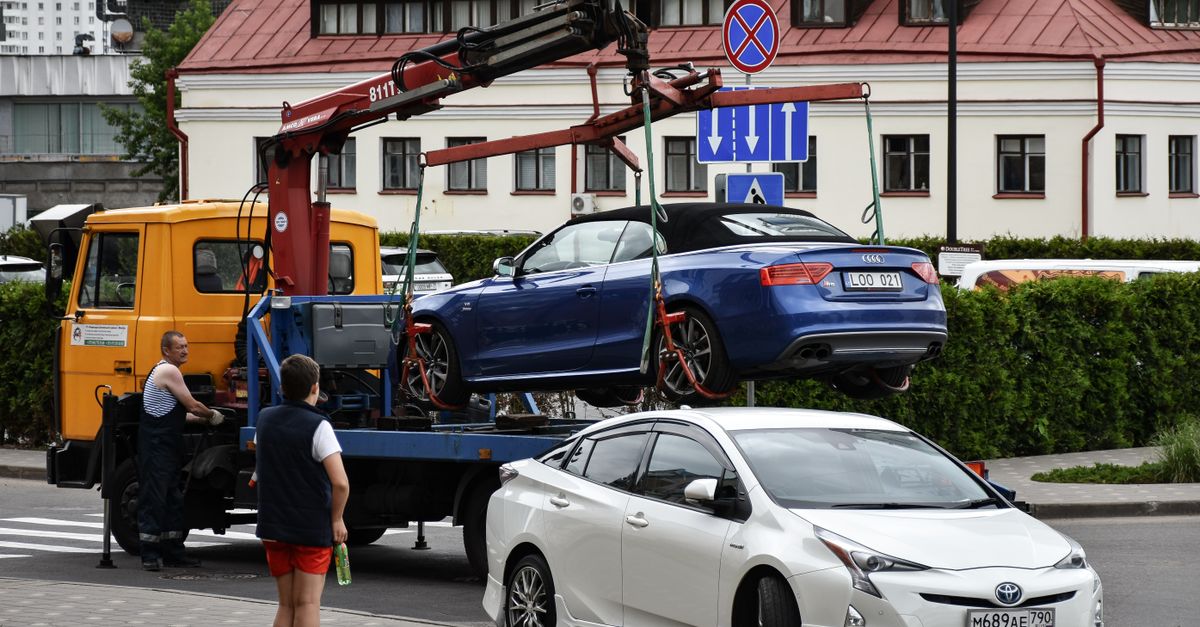
Choosing a reliable tow truck company ensures professional handling of your vehicle. Professional drivers have equipment to safely transport cars with battery problems.
FAQ: Your Jump Starter Questions Answered
People ask many questions about jump starters. Here are the most common concerns and clear answers.
Q: Can a jump starter damage my car's electronics?
A: Modern jump starters have surge protection. They won't damage computers or infotainment systems. Older vehicles are at minimal risk too. Just follow proper connection procedures.
Q: How long do jump starters last?
A: Quality lithium jump starters last 5 to 10 years with proper care. They gradually lose capacity over time. Most users replace them after 7 years.
Q: Can I jump start a car in the rain?
A: It's risky. Water conducts electricity. If possible, wait for dry conditions. If you must jump start in rain, work quickly and keep everything dry.
Q: Do I need a jump starter if I have roadside assistance?
A: Jump starters are faster. You'll get moving in 10 minutes instead of waiting an hour. Having both gives you maximum flexibility.
Q: What's the difference between amps and mAh on jump starters?
A: Amps measure starting power. mAh measures total energy capacity. Higher amps start engines faster. Choose based on your vehicle size.
Q: Can a jump starter work in freezing temperatures?
A: Lithium jump starters work better in cold than lead-acid batteries. However, extreme cold reduces performance. Warm your jump starter indoors before using it in freezing weather.
Q: How often should I charge my jump starter?
A: Charge every 3 to 6 months. This prevents self-discharge. Mark a calendar reminder so you don't forget.
Q: Can jump starters jump start motorcycles or ATVs?
A: Yes, but use smaller capacity starters. Motorcycle batteries are smaller than car batteries. A full-size starter designed for trucks might overpower a motorcycle.
Building Your Complete Emergency Roadside Kit
A jump starter is essential, but don't stop there. Build a complete emergency kit for maximum safety.
Emergency roadside kit essentials include jumper cables, flashlights, and first aid supplies. Add a jump starter to this collection. Store everything in your trunk where you can reach it fast.
Your kit should include:
- Portable jump starter (charged and ready)
- Traditional jumper cables as backup
- Work gloves and safety glasses
- Flashlight with extra batteries
- Basic tools (wrench, screwdriver, pliers)
- Tire pressure gauge and spare fuses
- Phone charger or portable power bank
- Emergency contact numbers written down
This kit handles most roadside emergencies. You'll be prepared whether it's a dead battery, flat tire, or something more serious.
Final Thoughts: Jump Starters Save Time and Money
A dead car battery doesn't have to derail your day. A jump starter costs $60 to $150 and solves the problem in minutes. Compare that to waiting an hour for roadside assistance or paying a towing fee.
Jump starters are simple to use when you follow the right steps. Practice once at home so you're confident in emergencies. Store your device where you can grab it fast.
Remember: safety always comes first. Follow all precautions. If something feels wrong or the jump starter doesn't work, don't hesitate to call professionals.
Prices from roadside assistance providers like AAA, GEICO, Progressive, and State Farm are current as of 2026. We're not affiliated with these companies. Their costs vary by membership level and location.
Keep your jump starter charged and accessible. You'll never regret being prepared for a dead battery emergency.
Frequently Asked Questions
Need Emergency Towing Services?
Don't wait when you're stranded. Get professional help now.
Find Professional Help When You Need It
Discussion (0)
Be the first to comment!
Share your experience or ask questions about towing services.