
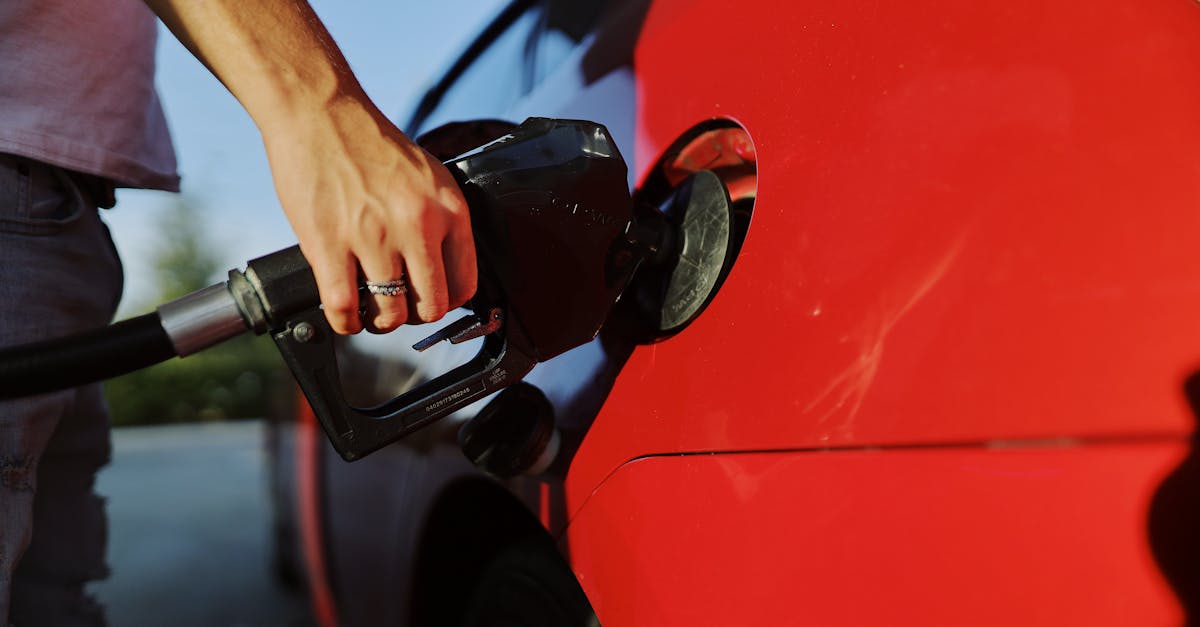
What Is a Fuel Delivery Service?
A fuel delivery service brings gasoline or diesel to your vehicle when you're stranded on the road. The provider arrives at your location with fuel in a specialized truck or container. They fill your tank so you can drive to the nearest gas station.
These services are different from traditional roadside assistance. Instead of towing your vehicle, they solve the problem on the spot. You're back on the road in minutes, not hours.
Fuel delivery is part of a larger roadside assistance ecosystem. Many providers combine fuel delivery with towing, lockout services, and jump-starts. Think of it as emergency fuel help when you need it most.
How Does Fuel Delivery Work?
The process is straightforward and designed for speed. First, you call your fuel delivery provider or use their mobile app. You'll give them your exact location using GPS or street address.
The dispatcher confirms your vehicle type and fuel type needed. They'll ask if you need regular, mid-grade, or premium fuel. Then they dispatch the nearest fuel delivery truck to you.
A trained technician arrives with fuel in a safe, approved container. They'll check your fuel door and cap. Then they add fuel directly to your tank, usually about 5-10 gallons to get you moving.
The whole process typically takes 30-60 minutes from your call. You pay at the scene or through your membership. Then you drive to a gas station to fill up completely.
Why Choose Fuel Delivery Over Towing?
Fuel delivery costs way less than towing. A tow can run $150-$300. Fuel delivery usually costs $50-$100. That's a huge difference.
Speed matters too. Fuel delivery gets you moving faster. You don't need to wait for a tow truck to hook up your car. No waiting at a repair shop either.
Fuel delivery also keeps your car on the road. Your vehicle stays in your control. There's no risk of damage during towing. Your driving record stays clean because you drove yourself.
For budget-conscious drivers, fuel delivery is smart thinking. You pay only when you need it. Many memberships include it free or at a discount. Compare this to towing costs referenced in our How Much Does Towing Cost in 2025? Complete Pricing Guide.
How Much Does Fuel Delivery Cost?
Fuel delivery costs vary by location and provider. Here's what you can typically expect:
| Service Type | Average Cost | What's Included |
|---|---|---|
| Independent fuel delivery | $50-$100 | 5-10 gallons of fuel |
| AAA member fuel delivery | Free-$30 | Included in membership |
| Insurance roadside coverage | Free-$50 | Varies by policy |
| Gas station delivery programs | $20-$50 | Usually limited gallons |
| Premium fuel delivery | $100-$150 | Large amounts, remote areas |
Most providers charge a service fee plus fuel cost. Some memberships cover the service fee but charge fuel costs. Others cover everything.
Urban areas usually cost less than rural zones. Remote locations might add a surcharge. Peak hours (evenings, weekends) may increase prices too.
Pro tip: Ask about fuel costs before confirming. Prices fluctuate with gas prices. You'll know exactly what you're paying.
Fuel Delivery Through Roadside Assistance
Most roadside assistance memberships include fuel delivery. AAA, for example, covers fuel delivery for members. Progressive and State Farm offer it through their policies. GEICO includes it in many roadside plans.
These memberships make fuel delivery affordable. You pay an annual fee upfront, then get help whenever you need it. Most plans cover fuel delivery once or twice per year.
Check your membership details carefully. Some limit fuel to 5 gallons. Others cover 10 gallons. A few premium plans cover unlimited fuel.
Your membership usually covers the service call fee. You may pay for fuel at market rates. This is still cheaper than calling an independent provider.
For comprehensive roadside coverage, explore Best Roadside Assistance: Complete 2026 Guide. It compares major providers side-by-side.
Insurance Coverage for Fuel Delivery
Many auto insurance policies include roadside assistance riders. This typically covers fuel delivery. Check your policy documents or call your agent.
Progressive, State Farm, GEICO, and others offer this add-on. It usually costs $5-$15 per month. That's cheaper than one fuel delivery call.
Some policies include it free with premium coverage. Others require you to add it. Make sure fuel delivery is specifically listed.
Coverage limits vary widely. Some policies cover one service per year. Others cover unlimited calls. Read the fine print carefully.
For detailed insurance information, check our Towing Insurance Coverage Guide: What's Covered and What's Not. It explains coverage types and limits.
Independent Fuel Delivery Providers
Not all fuel delivery comes through memberships. Independent companies operate in most cities. They're available 24/7 for customers willing to pay per service.
These providers are great for one-time emergencies. You don't need membership fees. Just call, pay, and get fuel.
Quality varies among independent providers. Some are highly trained and professional. Others cut corners on safety. That's why vetting matters.
Check online reviews before calling. Look at Google ratings and Better Business Bureau scores. Ask friends or family for recommendations. Real customer feedback helps you find trustworthy providers.
You can find local fuel delivery services on USA Tow Finder's service directory. We list vetted providers in your area.
What Fuel Types Are Available?
Most fuel delivery services provide standard gasoline options. You can usually get regular unleaded, mid-grade, or premium. Diesel is often available for commercial vehicles.
Tell the dispatcher your fuel type before they arrive. Getting the wrong fuel can damage your engine. Putting diesel in a gas car is expensive to fix.
Some providers also deliver specialty fuels. Ethanol blends, high-octane racing fuel, and biodiesel might be available. Ask when you call.
The fuel delivered meets all EPA standards. It's the same quality you get at gas stations. No shortcuts or inferior products.
Warning: Never let a provider put fuel in your tank without confirming the type. Double-check caps and nozzles match your vehicle.
Fuel Delivery for Different Vehicle Types
Cars, trucks, and SUVs all use fuel delivery services. Most providers handle any passenger vehicle. Commercial vehicles and fleet trucks may have special requirements.
Motorcycles can get fuel delivery too. Providers use special containers to avoid spills. The process is the same, just smaller amounts.
RVs and motorhomes need fuel delivery occasionally. Some providers specialize in large vehicles. Check that your provider handles bigger rigs. For RV owners, our RV and Motorhome Towing Guide: Special Equipment Needs covers related roadside services.
Electric vehicles don't need fuel delivery. But they might need charging assistance or towing instead. Make sure your membership covers your vehicle type.
Safety Considerations for Fuel Delivery
Safety is critical when handling gasoline. Professional fuel delivery technicians follow strict safety protocols. They use approved containers and equipment. They know proper ventilation and spill prevention.
Warning: Never attempt DIY fuel delivery. Don't let untrained people put fuel in your vehicle. Gasoline is extremely flammable. One mistake causes serious injury or fire.
Professional providers carry insurance and certifications. They follow EPA regulations. Their vehicles have proper hazmat placards. They're trained in emergency response.
Turn off your engine when fuel arrives. Stay inside your vehicle or stand far away. Don't smoke or use electronics near the fuel area. Follow the technician's instructions exactly.
Weather affects fuel delivery too. Some providers won't deliver in heavy storms or extreme heat. Ask about weather restrictions when you call.
When to Call for Fuel Delivery
You should call fuel delivery when you run out of gas on the road. This is the primary use case. You're stranded and need help fast.
Call if your gauge is broken and you're unsure about fuel level. Better safe than sorry. A fuel delivery call beats being stranded.
You might also call if you're far from the nearest gas station. Rural highways sometimes have 50+ miles between stations. Fuel delivery saves you from running dry.
Don't wait until you're completely empty. Call when your tank is nearly empty. This prevents engine damage from fuel starvation. Waiting too long can hurt your fuel pump.
If you're also in an accident or breakdown, fuel delivery might not be your first need. Towing or emergency services might come first. Check our What to Do When Your Car Breaks Down: Complete Safety Guide for prioritizing emergencies.
How to Request Fuel Delivery
Requesting fuel delivery is simple and fast. Here's the step-by-step process:
- Call your provider. Use your membership number or emergency line. Have it ready before calling.
- Give your location. Provide your exact address or intersection. Use GPS coordinates if you're on a highway.
- Confirm fuel type. Tell them regular, mid-grade, premium, or diesel. Double-check this critical detail.
- Specify fuel amount. Most services deliver 5-10 gallons. Ask how much they provide.
- Provide vehicle details. Tell them your car make and model. This helps the technician prepare.
- Get an ETA. Ask when the truck will arrive. Most say 30-60 minutes.
- Stay alert. Watch for the fuel truck. Be ready to open your fuel door.
- Verify the technician. Check their ID and uniform. Confirm they work for the right company.
- Inspect the fuel. Watch them deliver fuel. Make sure nothing spills on your car.
- Pay and get receipt. Complete payment and keep your receipt for records.
Fuel Delivery vs. Other Roadside Services
Fuel delivery is just one roadside service. You might need towing, jump-starts, lockouts, or tire changes instead. Understanding the difference helps you choose the right service.
Towing moves your vehicle to a repair shop. It's for mechanical failures, accidents, or major problems. Towing costs much more than fuel delivery. See our How Much Does Towing Cost in 2025? Complete Pricing Guide for towing pricing.
Jump-starts help with dead batteries. A technician connects jumper cables and starts your car. This costs $30-$75 and takes 10 minutes.
Lockout services unlock your car when keys are inside. A technician uses special tools to open doors safely. This costs $50-$100 and takes 15-30 minutes.
Tire changes replace flat tires with your spare. A technician uses your jack and equipment. This costs $50-$100 and takes 20-30 minutes.
Fuel delivery solves the specific problem of running out of gas. It's faster and cheaper than most alternatives. For comprehensive roadside help, get a membership covering multiple services.
Frequently Asked Questions About Fuel Delivery
Q: How long does fuel delivery take?
A: Most fuel delivery arrives within 30-60 minutes from your call. Urban areas are usually faster. Rural locations may take longer. Ask for an ETA when you call.
Q: Can I request specific fuel brands?
A: Most providers deliver generic fuel meeting EPA standards. You can't usually request Shell, Chevron, or other brands. The fuel quality is the same across providers.
Q: What if I'm in a dangerous location?
A: Tell the dispatcher about safety concerns. They'll advise you on meeting the technician. Some providers won't deliver in extremely dangerous areas. Your safety comes first.
Q: Do I need to stay with my car?
A: You should stay nearby but not right at the fuel area. Let the technician work safely. Be ready to open your fuel door and provide payment.
Q: What happens if I'm out of service area?
A: Some memberships have geographic limits. Call your provider to check coverage. You may be charged extra for out-of-area delivery. Some providers won't serve certain regions at all.
Q: Can fuel delivery help with fuel contamination?
A: No. If your tank has bad fuel, you need towing to a repair shop. Fuel delivery only adds good fuel. Contaminated fuel requires professional cleaning.
Q: Is fuel delivery available 24/7?
A: Most major providers operate 24/7. Some independent providers have limited hours. Check your provider's availability before you need them.
Q: What payment methods do providers accept?
A: Most accept credit cards, debit cards, and cash. Some require membership payment upfront. Ask about payment options when you call.
Q: Can I get fuel delivery on a highway?
A: Yes. Providers deliver on highways, interstates, and rural roads. Just give them your exact location. They'll find you safely.
Q: What if my vehicle has a fuel cap issue?
A: Tell the technician about cap problems. They have tools to handle most issues. If your fuel door won't open, they can help troubleshoot. In rare cases, you might need towing.
Finding Reliable Fuel Delivery Providers
Not all fuel delivery services are created equal. Quality, speed, and professionalism vary. Here's how to find reliable providers in your area.
Start with your current memberships. Check AAA, insurance policies, and credit card benefits. Many include fuel delivery already. You might not need a separate service.
Ask friends and family for recommendations. Personal experiences matter. Ask about response time, professionalism, and cost.
Check online reviews on Google, Yelp, and Better Business Bureau. Look for consistent ratings above 4 stars. Read recent reviews, not old ones.
Call providers and ask questions. How fast do they arrive? What fuel types do they carry? Do they operate 24/7? Professional companies answer clearly.
Prices from providers like AAA, Progressive, State Farm, and GEICO are current as of 2026. We're not affiliated with these companies.
Use USA Tow Finder to find fuel delivery services near you. Our directory lists vetted providers with customer ratings and contact information.
Preparing for Fuel Delivery Emergencies
The best time to prepare is before you need fuel delivery. Here's how to be ready:
Get a membership. Join AAA or get roadside assistance through insurance. Do this before emergencies happen. Annual fees are small compared to single service costs.
Know your fuel type. Regular, mid-grade, premium, or diesel? Know it now. Check your fuel door or owner's manual.
Keep provider numbers handy. Save emergency numbers in your phone. Write them on a card in your wallet.
Know your location. Use GPS apps to understand your surroundings. This helps you give accurate locations to dispatchers.
Keep your phone charged. You can't call for help with a dead battery. Bring a car charger or power bank.
Maintain your vehicle. Regular maintenance prevents breakdowns. When your car works well, you're less likely to run out of gas.
Monitor your fuel gauge. Never let your tank get too low. Fill up when you hit half tank on long trips.
For more emergency preparation, read our Emergency Roadside Kit Essentials: Must-Have Items for 2026.
Fuel Delivery Laws and Regulations
Fuel delivery is regulated by EPA and DOT rules. Providers must follow strict safety standards. They need proper licensing and insurance.
Your state may have specific regulations about fuel delivery. Some states require special permits. Others have training certifications for technicians.
Consumer protection laws apply to fuel delivery services. You have rights regarding pricing, service quality, and safety. If something goes wrong, you can file complaints.
Check your state's regulations before using unfamiliar providers. Legitimate companies comply with all laws. They're happy to discuss certifications and licensing.
For state-specific information, see our Towing Laws by State: Your Rights & Protection Guide 2026. Many states regulate roadside services similarly to towing.
Future of Fuel Delivery Services
Fuel delivery is evolving with technology. Mobile apps now let you request service with one tap. GPS tracking shows exactly where the truck is.
Some companies are testing autonomous fuel delivery vehicles. These could arrive faster and cost less. They're not widespread yet but coming soon.
Electric vehicles are changing the roadside assistance landscape. Charging assistance is replacing fuel delivery for EV owners. Traditional providers are adapting to serve both fuel and electric vehicle needs.
Subscription models are becoming more common. Instead of per-service fees, you pay monthly for unlimited help. This appeals to frequent travelers and rural residents.
Integration with vehicle systems is increasing. New cars can call for help automatically. They communicate your exact location and fuel level. This makes fuel delivery even faster.
Learn more about industry changes in our Towing Technology Trends 2026: GPS, Apps, and Automation article.
Key Takeaways
Fuel delivery is a fast, affordable roadside service. It gets you moving when you run out of gas. Most deliveries arrive in 30-60 minutes and cost $50-$150.
Join a roadside assistance membership to get fuel delivery cheaply. AAA, insurance companies, and credit cards often include it. This is smarter than paying per service.
Know your fuel type before calling. Confirm whether you need regular, mid-grade, premium, or diesel. Getting the wrong fuel damages your engine.
Find reliable providers in advance. Check reviews, ask for recommendations, and confirm availability. Don't wait until you're stranded to search.
Prevent fuel emergencies by monitoring your gauge. Fill up when you hit half tank on long trips. Regular maintenance keeps your car running well.
Fuel delivery is one of many roadside services available. Towing, jump-starts, lockouts, and tire changes handle other emergencies. Get comprehensive coverage through a membership.
Stay safe during fuel delivery. Let professionals handle gasoline. Follow all technician instructions. Never attempt DIY fuel delivery.
Frequently Asked Questions
Need Emergency Towing Services?
Don't wait when you're stranded. Get professional help now.
Find Fuel Delivery Services Near You


Discussion (0)
Be the first to comment!
Share your experience or ask questions about towing services.