

Limousine towing is far more complex than regular car towing. These extended vehicles demand special handling, equipment, and expertise. A standard tow truck operator might not understand the unique challenges your limo faces.
Here's the thing: limousines aren't just long cars. They're custom-built vehicles with modified frames, specialized suspension systems, and expensive interiors. One wrong move during towing can cost thousands in repairs.
This guide walks you through everything you need to know about limousine towing services. You'll learn what makes these vehicles challenging, what to expect cost-wise, and how to find qualified providers.
Why Is Limousine Towing Different From Standard Towing?
Limousines present challenges that standard vehicles don't. Their extended length changes how weight distributes across the frame. The wheelbase is significantly longer, which affects towing angles and balance.
Most limos have custom suspension systems built to handle passenger weight and luxury ride quality. Traditional tow trucks can damage these systems. The vehicle's frame has been stretched, meaning stress points aren't where a standard car's would be.
Interior damage is another major concern. Limos have plush seating, bars, entertainment systems, and delicate fixtures. Rough towing can shift these components, causing expensive damage you won't see until later.
Warning: Never let a standard tow truck operator handle your limo without specialty experience. The cost of damage often exceeds the towing fee itself.
What Equipment Do Limousine Towing Services Need?
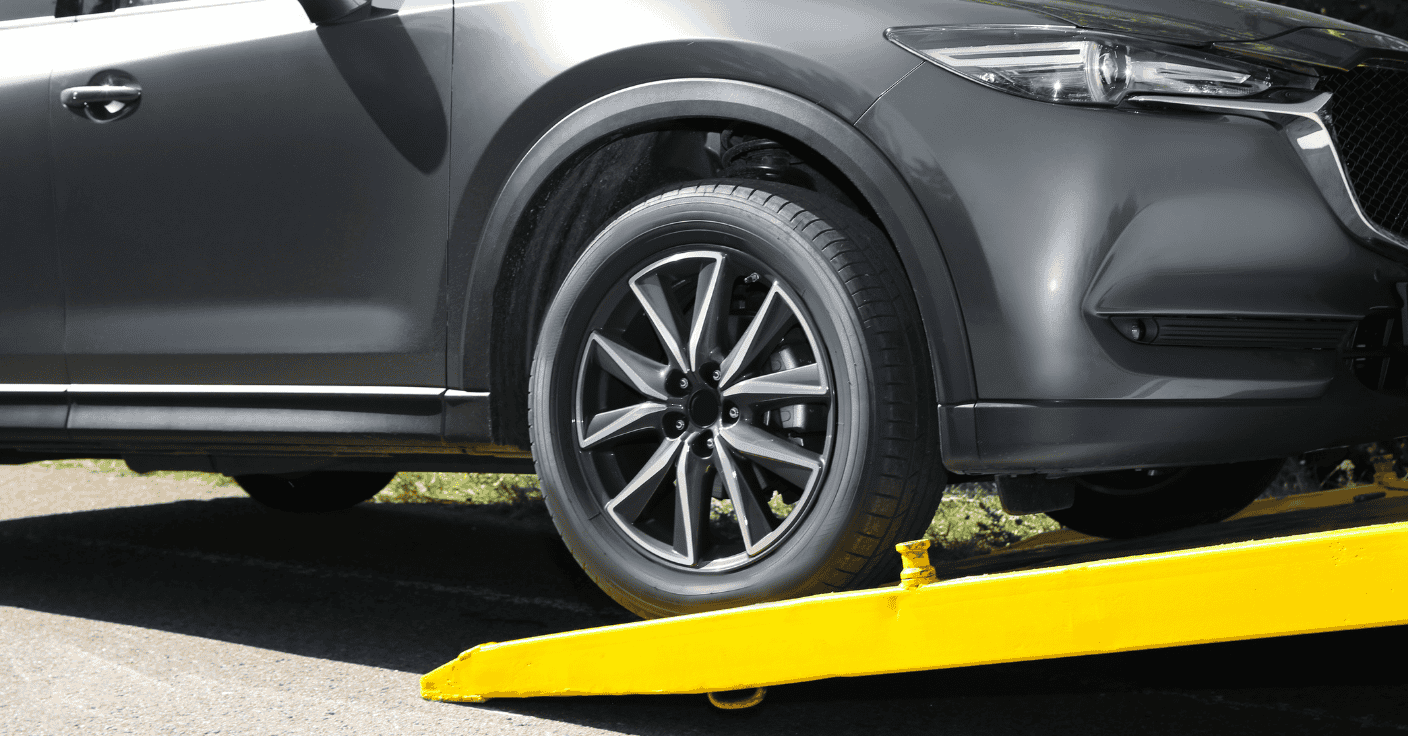
Specialized limousine towing requires specific equipment that most basic tow trucks lack. Flatbed tow trucks are essential. These distribute weight evenly across the entire vehicle, protecting the suspension and frame.
Air suspension systems on the flatbed help absorb road bumps. This prevents jolting that could damage the limo's interior or frame. Wheel lifts and dolly systems won't work safely for extended vehicles.
Professional limousine towing companies also use:
- Extended flatbeds (40-50 feet) to accommodate the full vehicle length
- Adjustable tie-down systems rated for luxury vehicles
- Protective padding and covers to prevent cosmetic damage
- GPS tracking and real-time communication systems
- Climate-controlled storage for high-end limos
Some premium providers offer enclosed transport. This protects your limo from weather, road debris, and visibility. It costs more but prevents scratches and weathering during transport.
How Much Does Limousine Towing Cost?
Limousine towing costs significantly more than standard vehicle towing. You're paying for specialized equipment, trained operators, and the liability of handling expensive vehicles.
Here's what to expect in 2026:
| Service Type | Typical Cost Range | What's Included |
|---|---|---|
| Local flatbed towing (under 10 miles) | $200–$450 | Basic transport, tie-downs, standard coverage |
| Medium distance (10–50 miles) | $400–$800 | Extended flatbed, protective padding, fuel |
| Long-distance towing (50+ miles) | $800–$2,500+ | Full transport, climate control option, overnight stops |
| Enclosed transport (any distance) | +$150–$400 additional | Weather protection, premium coverage, enhanced safety |
| Emergency after-hours service | +$100–$300 premium | 24/7 availability, faster response, holiday rates |
These prices vary by location, vehicle condition, and urgency. Check how much towing typically costs for comparison context on standard vehicles.
Your insurance might cover some costs. Progressive, GEICO, and State Farm all offer roadside assistance plans that include towing. But verify coverage limits for luxury vehicles—standard policies often cap payouts at $100–$200, which won't cover a full limousine tow.
Prices from providers like Progressive, GEICO, and State Farm are current as of 2026. We're not affiliated with these companies.
What Causes Limousine Breakdowns and Towing Needs?
Limousines break down for similar reasons as regular cars, but some issues are more common due to their extended use and complex systems.
Common reasons you'll need limousine towing include:
- Engine failure or overheating (heavy use during events)
- Transmission problems (stress from weight and constant driving)
- Suspension damage (potholes, rough roads, wear from passenger load)
- Electrical system failures (complex entertainment and climate systems)
- Flat tires or blowouts (extended vehicles put more stress on tires)
- Cooling system leaks (high-demand use in hot weather)
- Fuel system issues (large tanks, complex fuel delivery)
- Brake system failures (heavy vehicle requires robust braking)
Limos often run 24/7 during peak seasons. This constant use accelerates wear on mechanical systems. Preventive maintenance helps, but breakdowns still happen unexpectedly.
How to Choose a Qualified Limousine Towing Provider
Not every towing company can safely handle a limousine. You need a provider with specific experience and the right equipment.
Here's how to evaluate limousine towing services:
- Ask about flatbed experience. Confirm they have extended flatbeds rated for your limo's weight. Ask how many limos they've towed.
- Verify insurance and licensing. They should carry commercial liability insurance covering luxury vehicles. Check their license with your state's transportation authority.
- Request references from other limo operators. Ask if they've worked with local car rental or limousine services.
- Confirm 24/7 availability. Limos break down at inconvenient times. You need a provider who answers at 2 AM.
- Check response times. Ask their average response time in your area. For premium service, aim for under 45 minutes.
- Review equipment details. Ask about tie-down systems, padding, climate control, and GPS tracking capabilities.
- Get pricing in writing. Request a quote before needing service. Understand their mileage rates and any additional fees.
- Look for specialty certifications. Some companies pursue training in luxury vehicle towing or hold AAA certification.
For help finding qualified providers, visit trusted towing services near you. Filter by specialty services to find companies experienced with extended vehicles.
What Should You Do If Your Limousine Breaks Down?
When your limo breaks down, staying calm and following the right steps protects both the vehicle and passengers.
- Move to safety first. If on a highway, signal and carefully move to the shoulder. Turn on hazard lights immediately.
- Assess the situation. Is the vehicle smoking? Do you smell fuel or coolant? Check for obvious hazards before exiting.
- Secure passengers. Keep everyone inside with doors locked if you're on a busy road. Don't let passengers stand near traffic.
- Call your towing provider immediately. Have a limousine-experienced company on speed dial. Explain the vehicle type and location clearly.
- Don't attempt DIY repairs. Limousines have complex systems. Even a simple fix can go wrong and cause bigger damage.
- Document the breakdown. Take photos of the vehicle location, any visible damage, and the situation. This helps with insurance claims.
- Wait for the right truck. Confirm the tow truck operator has flatbed experience before they begin work.
- Supervise the towing process. Watch how they position the vehicle and secure it. Speak up if something looks wrong.
For detailed safety steps during any breakdown, review our complete breakdown safety guide.
Understanding Limousine Towing Insurance and Coverage
Standard auto insurance often doesn't fully cover limousine towing. You need to understand what's protected and what isn't.
Most basic insurance plans include roadside assistance. But coverage limits are usually low—$100 to $200 per incident. For a limousine tow spanning 30+ miles, you'll exceed these limits quickly.
Commercial limo insurance is different. If you own a limousine business, you need commercial auto insurance with roadside assistance riders. These policies recognize higher vehicle values and provide better coverage.
Key coverage points to verify:
- Towing distance limits (ensure it covers your typical service area)
- Maximum reimbursement per incident (should be $500+ for limos)
- Coverage for specialty transport (flatbed, enclosed, long-distance)
- Deductibles and out-of-pocket costs
- Whether coverage applies to breakdowns vs. accidents only
Learn more about what's covered by reviewing our towing insurance coverage guide.
Legal Rights and Regulations for Limousine Towing
Limousine towing falls under commercial vehicle towing regulations in most states. This affects your rights, costs, and dispute resolution options.
Key legal points to know:
- Licensing requirements: Tow operators must hold commercial licenses to tow vehicles over certain weights. Your limo likely qualifies.
- Storage and lien laws: If your limo is towed, the operator can place a lien for unpaid towing and storage fees. This varies by state.
- Rate regulations: Some states cap what tow companies can charge. Check your state's limits before agreeing to service.
- Damage liability: Towing companies are liable for damage caused by negligence. Document the vehicle's condition before and after towing.
- Right to refuse service: You can decline a tow truck if you're uncomfortable with the operator or equipment. Call for another provider.
Each state has different towing laws. Review towing laws by state to understand your specific protections.
Preventing Limousine Breakdowns: Maintenance Tips
The best towing situation is one you avoid. Regular maintenance keeps your limousine running and reduces emergency towing needs.
Essential limousine maintenance includes:
- Oil and filter changes: Every 3,000–5,000 miles. Heavy-use limos need more frequent service.
- Transmission fluid checks: Monthly inspections. Transmission problems are expensive and often lead to towing.
- Suspension inspections: Every 6 months. The extended frame puts extra stress on suspension components.
- Brake system maintenance: Monthly pad checks, fluid flushes annually. Brakes are critical on heavy vehicles.
- Tire rotations and pressure checks: Every 5,000 miles. Proper inflation extends tire life and prevents blowouts.
- Cooling system flushes: Annually. Overheating is a common breakdown reason for heavily-used vehicles.
- Battery testing: Twice yearly. Complex electrical systems drain batteries faster.
- Air conditioning service: Before peak seasons. Breakdowns during hot weather are expensive emergencies.
Keep detailed maintenance records. They help mechanics diagnose problems faster and prove you've cared for the vehicle properly. This matters if you ever need to dispute damage claims.
Long-Distance Limousine Towing Considerations
Sometimes you need to tow a limousine across states or hundreds of miles. This requires different planning than local towing.
Long-distance limousine towing challenges:
- Route planning: Extended vehicles need wider roads and higher clearances. Not all routes work for 40+ foot limos.
- Multi-state regulations: Towing laws differ by state. Your provider must understand regulations across your entire route.
- Overnight stops: Trips over 500 miles usually require overnight parking. Ensure your limo is stored securely and climate-controlled.
- Cost multipliers: Fuel surcharges, overnight stops, and driver time add up quickly. Budget $3,000–$8,000+ for cross-country transport.
- Communication needs: You need real-time GPS tracking and regular updates on vehicle condition.
For long-distance towing, work with national providers who specialize in luxury vehicle transport. They understand the complexities and have resources across multiple states.
Technology and Modern Limousine Towing Services
Modern towing companies use technology to improve limousine transport safety and tracking. Understanding these tools helps you choose better providers.
Current towing technology includes:
- GPS real-time tracking: You see your limo's location throughout transport. Many apps provide live updates.
- Mobile apps for service requests: Book towing, track status, and pay through your phone.
- Digital damage documentation: Photos and video recorded during pickup and delivery protect both parties.
- Climate monitoring: Sensors track temperature and humidity in enclosed transport vehicles.
- Automated dispatch systems: Routes are optimized for faster response and safer transport.
Learn more about how technology is reshaping the towing industry by reading about towing technology trends.
Common Mistakes to Avoid With Limousine Towing
Many limo owners make costly mistakes when their vehicles break down. Here's what to avoid:
- Calling a standard tow truck. They don't have the right equipment. You'll pay for damage later.
- Allowing the vehicle to be towed on wheel lifts. This damages the frame and suspension. Insist on flatbed towing only.
- Not documenting the vehicle's condition. Take photos before towing starts. This protects you in damage disputes.
- Accepting the first quote without shopping around. Get at least three estimates. Prices vary significantly.
- Ignoring maintenance until breakdown. Preventive care costs far less than emergency towing and repairs.
- Using tow companies without insurance. If they damage your limo, you have no recourse.
- Not verifying flatbed availability. Always confirm they have the right equipment before booking.
- Signing blank forms or agreements. Understand all terms before authorizing service.
Finding Emergency Limousine Towing Services 24/7
Limousine breakdowns don't happen during business hours. You need access to towing services any time, day or night.
Here's how to prepare for emergencies:
- Create a contact list now. Research limousine-experienced tow companies in your area before you need them.
- Save numbers in your phone. Include your primary provider and 2–3 backups for busy times.
- Ask about after-hours rates. Many companies charge premiums for night and weekend service. Know this upfront.
- Verify 24/7 availability. Not all companies answer calls at midnight. Confirm before relying on them.
- Keep your insurance information handy. Have policy details and roadside assistance numbers ready.
- Add towing apps to your phone. Modern apps connect you to nearby providers and track service in real time.
When you need reliable service right now, find towing services near you through our directory. Many providers offer 24/7 limousine towing support.
Frequently Asked Questions
Need Emergency Towing Services?
Don't wait when you're stranded. Get professional help now.
Find Limousine Towing Services Near You

Discussion (0)
Be the first to comment!
Share your experience or ask questions about towing services.