
What Is Off-Road Recovery and Why It Matters
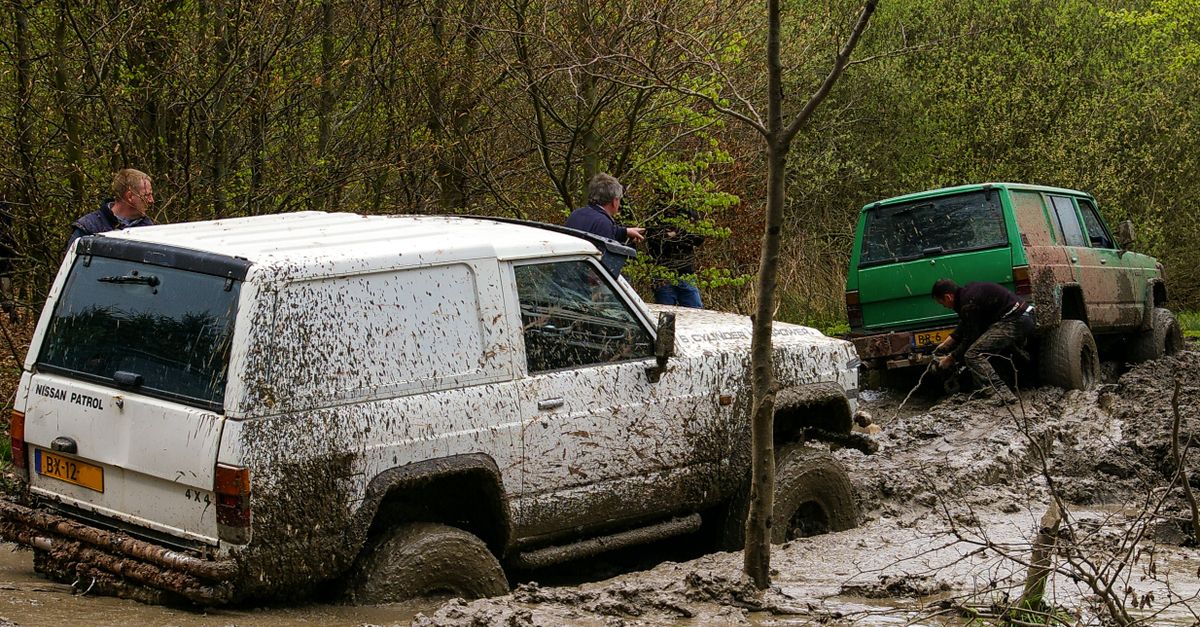
Off-road recovery isn't your typical roadside towing. It's specialized extraction work for vehicles stuck in extreme terrain.
Think mud bogs, sand dunes, rocky mountain passes, or river crossings. Standard tow trucks can't reach these places. You need dedicated off-road recovery teams with 4x4 vehicles, winches, and recovery expertise.
This guide covers everything you need to know about off-road recovery services for your 4x4 adventures.
How Does Off-Road Recovery Work?
Recovery teams follow a methodical process. First, they assess your vehicle's position and the surrounding terrain.
Next, they determine the best extraction method. This might involve winching, using recovery straps, or carefully navigating the vehicle out under its own power.
The team uses specialized equipment like snatch blocks, shackles, and anchor points. They calculate weight distribution and pulling angles to prevent rolling or additional damage.
Finally, they extract your vehicle safely and check for mechanical issues before you drive away.
The entire process typically involves a site inspection, equipment setup, controlled extraction, and post-recovery vehicle inspection. Professional teams document the recovery process and provide you with detailed reports of what was done and why specific techniques were used.
What Equipment Do Recovery Teams Use?
Professional off-road recovery services carry specific gear designed for tough extractions.
Essential Recovery Equipment
- Winches — Electric or hydraulic motors with 8,000–20,000 lb capacity for pulling power
- Recovery straps — Heavy-duty nylon straps rated for shock loads and repeated use
- Snatch blocks — Pulleys that redirect winch cable and multiply pulling force
- Shackles — Metal links that safely connect recovery equipment to vehicles
- Anchor points — Trees, rocks, or buried anchors to secure the pulling vehicle
- Traction mats — Portable surfaces that improve tire grip in mud or sand
- Air compressors — Lower tire pressure for better traction, then reinflate
- Tow chains — Backup rigging for extreme situations
- Kinetic energy ropes — Elastic recovery ropes that absorb shock loads safely
- D-ring shackles — Heavy-duty attachment points for vehicles without factory recovery hooks
- Hydraulic jacks — Lift vehicles off obstacles or redistribute weight
- Portable winch systems — Lightweight winches for terrain where heavy equipment can't reach
Recovery teams also carry first aid kits, communication radios, and safety gear. They're trained in load calculations and rigging techniques. Professional teams maintain their equipment regularly and replace worn components to ensure safety and reliability during critical extractions.
Common Off-Road Situations Requiring Recovery
Certain scenarios happen more often than others in off-road situations.
High-Risk Terrain Scenarios
- Mud bogging — Vehicles sink in deep mud and lose traction completely
- Sand dunes — Wheels dig in and vehicle becomes immobilized on shifting sand
- Water crossings — Vehicles stall in rivers or get swept downstream
- Rocky terrain — High-center vehicles get hung up on boulders or drop-offs
- Steep hillsides — Vehicles roll backward or sideways on steep grades
- Soft shoulders — Vehicles slip off roads into ravines or embankments
- Winter conditions — Snow and ice cause vehicles to slide into ditches
- Rut situations — Deep ruts trap axles and prevent forward movement
- Quicksand or boggy areas — Vehicles sink progressively as they attempt to move
- Cliff edge situations — Vehicles partially suspended over drops requiring careful extraction
Each situation requires different extraction techniques. A muddy bog needs air down and traction aids. A water crossing might require snorkel checks and careful power application. Steep hillside recoveries demand multiple anchor points and careful load distribution to prevent vehicle rollover.
How Much Does Off-Road Recovery Cost?
Pricing varies widely based on complexity and location. Here's what you'll typically pay.
Off-Road Recovery Cost Breakdown
| Recovery Type | Estimated Cost | What's Included |
|---|---|---|
| Simple extraction (less than 1 mile) | $300–$600 | Basic winching, single vehicle, short distance |
| Moderate recovery (1–5 miles) | $600–$1,000 | Complex rigging, multiple vehicles, moderate terrain |
| Difficult recovery (5+ miles) | $1,000–$2,500 | Extreme terrain, multiple team members, specialized equipment |
| Multi-vehicle recovery | $1,500–$3,500 | Two or more vehicles extracted simultaneously |
| Water recovery/retrieval | $2,000–$5,000+ | Submersion, towing to dry land, damage assessment |
Additional charges apply for travel time beyond service area boundaries, overnight operations, and emergency callouts. Some teams charge hourly rates ($150–$300/hour) for complex jobs. Night recoveries typically cost 25-50% more due to lighting equipment needs and increased risk. Remote location surcharges apply when recovery teams must travel more than 50 miles from their base.
Tip: Check your auto insurance and towing insurance coverage before heading out. Some policies cover off-road recovery.
When Should You Call an Off-Road Recovery Team?
Knowing when to call professionals saves time, money, and prevents vehicle damage.
Call Recovery Services If:
- Your vehicle won't move under its own power after multiple attempts
- You're high-centered on rocks or terrain obstacles
- Wheels have sunk more than halfway to the axle
- You're stuck in water deeper than your door sill
- The terrain is too unstable for safe DIY recovery
- You're injured or physically unable to help with extraction
- Multiple recovery attempts have failed
- You lack proper recovery equipment and training
- You're unsure about safe extraction techniques
- Weather conditions are deteriorating rapidly
Warning: Never attempt risky extractions alone. Improper winching can snap cables, flip vehicles, or cause serious injury. A professional recovery team costs less than vehicle replacement or medical bills.
Preparing Your 4x4 for Off-Road Adventures
Prevention is better than recovery. Proper vehicle preparation reduces your chance of getting stuck.
Pre-Trip Preparation Checklist
- Install recovery points — Factory tow hooks or aftermarket recovery shackles rated for your vehicle weight
- Upgrade tires — All-terrain or mud-terrain tires with good sidewall strength
- Check tire pressure specs — Know how to safely air down for better traction
- Carry recovery gear — Straps, shackles, snatch block, and air compressor
- Inspect brakes and suspension — Ensure your 4x4 is mechanically sound
- Carry a communication device — Satellite messenger or cell signal booster for emergencies
- Pack extra fuel — Remote areas have no gas stations
- Bring spare fluids — Oil, coolant, and differential fluid for extreme conditions
- Get training — Learn proper winching and recovery techniques before you need them
- Carry a first aid kit — See emergency roadside kit essentials for complete list
- Test all systems — Ensure lights, wipers, and engine cooling work properly
- Bring maps and GPS — Digital and paper maps prevent navigation emergencies
A well-prepared 4x4 and educated driver prevent most recovery situations entirely. Schedule a pre-trip inspection with a mechanic experienced in 4x4 vehicles at least two weeks before your adventure.
DIY Recovery vs. Professional Services
Sometimes you can self-recover. Sometimes you need professionals. Here's how to decide.
When DIY Recovery Works
- Vehicle is mildly stuck in sand or soft soil
- You have proper recovery equipment and training
- Another 4x4 is available to serve as anchor vehicle
- Terrain is stable and safe for manual work
- You're not injured or physically limited
When You Need Professionals
- Vehicle is deeply sunk or high-centered
- You lack recovery equipment or training
- No other vehicles are available to assist
- Terrain is unstable, steep, or involves water
- You're injured, exhausted, or uncomfortable with risk
See when to call a tow truck vs. DIY fix for more decision-making guidance. Professional recovery teams have insurance, expertise, and equipment you likely don't. DIY recovery mistakes can result in serious injuries, vehicle damage exceeding the cost of professional service, or both.
Finding Reliable Off-Road Recovery Services
Not all towing companies offer off-road recovery. You need specialists with 4x4 experience.
How to Find Quality Recovery Services
- Search locally first — Look for "off-road recovery" or "4x4 recovery" in your region
- Check online reviews — Read customer feedback on Google, Yelp, and Facebook
- Verify equipment and training — Ask about winch capacity, recovery certifications, and team experience
- Confirm insurance coverage — Professional teams carry liability insurance protecting you and your vehicle
- Get pricing upfront — Ask about base fees, hourly rates, and travel charges
- Ask for references — Speak with previous customers about service quality
- Check response times — Off-road recovery teams should be available 24/7
- Verify they serve your area — Some teams only operate in specific regions
- Request certifications — Look for TREC (Texas Recovery and Extraction Commission) or similar certifications
- Ask about experience — Teams with 10+ years experience handle unusual situations better
Use USA Tow Finder to locate trusted towing and recovery providers in your area. Filter by service type to find specialists in off-road recovery.
What to Do If You Get Stuck Off-Road
You're stuck. Now what? Follow these steps to stay safe and get help efficiently.
Immediate Actions When Stuck
- Stop moving — Don't continue driving. You'll dig deeper and cause more damage.
- Turn off the engine — Prevent overheating and save fuel.
- Assess your surroundings — Check for hazards, water depth, or slope instability.
- Make your vehicle visible — Turn on hazard lights and raise your hood if safe to do so.
- Establish communication — Use your phone, satellite messenger, or radio to contact help.
- Stay with your vehicle — It's easier to find than a walking person in remote terrain.
- Stay hydrated and warm — Drink water and protect yourself from weather.
- Attempt light recovery if safe — Lower tire pressure slightly or use available traction aids.
- Call professional recovery — If DIY efforts fail after 20 minutes, call a recovery team.
- Provide location details — Share GPS coordinates, landmarks, or trail names with responders.
See what to do when your car breaks down for comprehensive emergency procedures.
Understanding Recovery Rigging and Safety
Recovery isn't just about pulling. Proper technique prevents injury and vehicle damage.
Key Rigging Principles
- Load calculation — Teams weigh your vehicle and multiply by terrain difficulty to determine pulling force needed
- Anchor security — The pulling vehicle or anchor point must handle 2–3 times the pull force
- Angle assessment — Recovery straps should pull at angles less than 45 degrees to prevent rolling
- Snatch block use — Pulleys double or triple pulling force while reducing strain on equipment
- Cable protection — Blankets and padding prevent cable damage from sharp rocks or edges
- Safety zones — All personnel stand clear of winch cables and pulled vehicles
- Slow, steady pulls — Jerky extraction can break equipment or flip vehicles
- Communication — Radio contact between winch operator and spotters ensures safe coordination
Professional recovery teams train extensively in these techniques. This is why hiring experts beats DIY recovery in complex situations.
Common Mistakes to Avoid During Recovery
Understanding what NOT to do is as important as knowing proper recovery techniques.
Recovery Mistakes That Cause Damage
- Jerky, sudden pulls — Shock loads snap cables and damage vehicle frames
- Pulling from wrong attachment points — Using bumpers or tow hooks not rated for recovery forces causes structural damage
- Improper angle setup — Pulling at angles greater than 45 degrees increases rollover risk significantly
- Overloading winch capacity — Exceeding rated pull force burns out motors and breaks cables
- Ignoring terrain hazards — Hidden rocks, water, or drop-offs complicate recoveries and cause accidents
- Poor communication — Miscommunication between team members leads to dangerous situations
- Operating equipment while tired — Fatigue causes critical errors in rigging and pulling
- Skipping safety briefings — All team members must understand the plan and hazards
Professional recovery teams follow strict safety protocols to avoid these mistakes. They conduct pre-recovery briefings, use proper communication systems, and never rush the extraction process.
Off-Road Recovery FAQs
Here are answers to common questions about off-road recovery services.
Frequently Asked Questions
- Will recovery damage my vehicle? — Professional teams use proper rigging to prevent damage. Poor DIY attempts cause far more harm than expert extraction.
- How long does recovery take? — Simple extractions take 30–60 minutes. Complex recoveries can take 2–4 hours or longer.
- Do I need special insurance for off-road recovery? — Standard auto insurance may not cover off-road activities. Check your policy or add off-road recovery coverage.
- Can recovery teams work in darkness? — Yes. Professional teams carry powerful lighting equipment and operate 24/7.
- What if my vehicle has mechanical damage? — Recovery teams extract your vehicle safely. They don't repair mechanical issues. You'll need a mechanic for repairs.
- Will recovery prevent my vehicle from starting? — Proper extraction doesn't affect your engine. If your vehicle won't start after recovery, the issue existed before extraction.
- How do I know if a recovery team is legitimate? — Check for licensing, insurance, online reviews, and professional certifications. Avoid cash-only operators without contact information.
- Can I dispute recovery charges? — Yes. See how to dispute towing charges for detailed guidance on challenging unfair fees.
- What happens if recovery fails on the first attempt? — Professional teams adjust their approach and try alternative methods. Multiple attempts may increase costs, but ensure safe extraction.
- Should I stay in my vehicle during recovery? — No. Move to a safe location away from the extraction zone to avoid injury from shifting equipment or vehicles.
Insurance and Legal Considerations
Recovery costs add up quickly. Understanding your insurance coverage matters.
Most standard auto insurance policies exclude off-road activities. Progressive, GEICO, and State Farm offer optional roadside assistance that may cover recovery in some situations. AAA membership includes towing coverage, though limits vary by plan.
Disclaimer: Prices and coverage from providers like Progressive, GEICO, State Farm, and AAA are current as of 2026. We're not affiliated with these companies. Contact them directly for current rates and coverage details.
Read towing insurance coverage guide for detailed information about what's covered and what's not.
If a recovery team damages your vehicle, you have legal recourse. See towing damage claims guide for steps to file and win your case.
Conclusion: Be Prepared, Not Stranded
Off-road recovery isn't pleasant, but it's manageable with preparation and the right professionals.
Invest in proper 4x4 equipment, get training, and maintain your vehicle. Know your limits and don't push beyond safe terrain for your skill level.
When you do get stuck, call professional off-road recovery services immediately. The cost of professional extraction is far less than vehicle replacement or serious injury.
Find trusted towing and recovery providers near you on USA Tow Finder before your next adventure. Save their contact information in your phone. Then go explore with confidence.
Frequently Asked Questions
Need Emergency Towing Services?
Don't wait when you're stranded. Get professional help now.
Find Off-Road Recovery Services Near You

Discussion (0)
Be the first to comment!
Share your experience or ask questions about towing services.